
















Overview
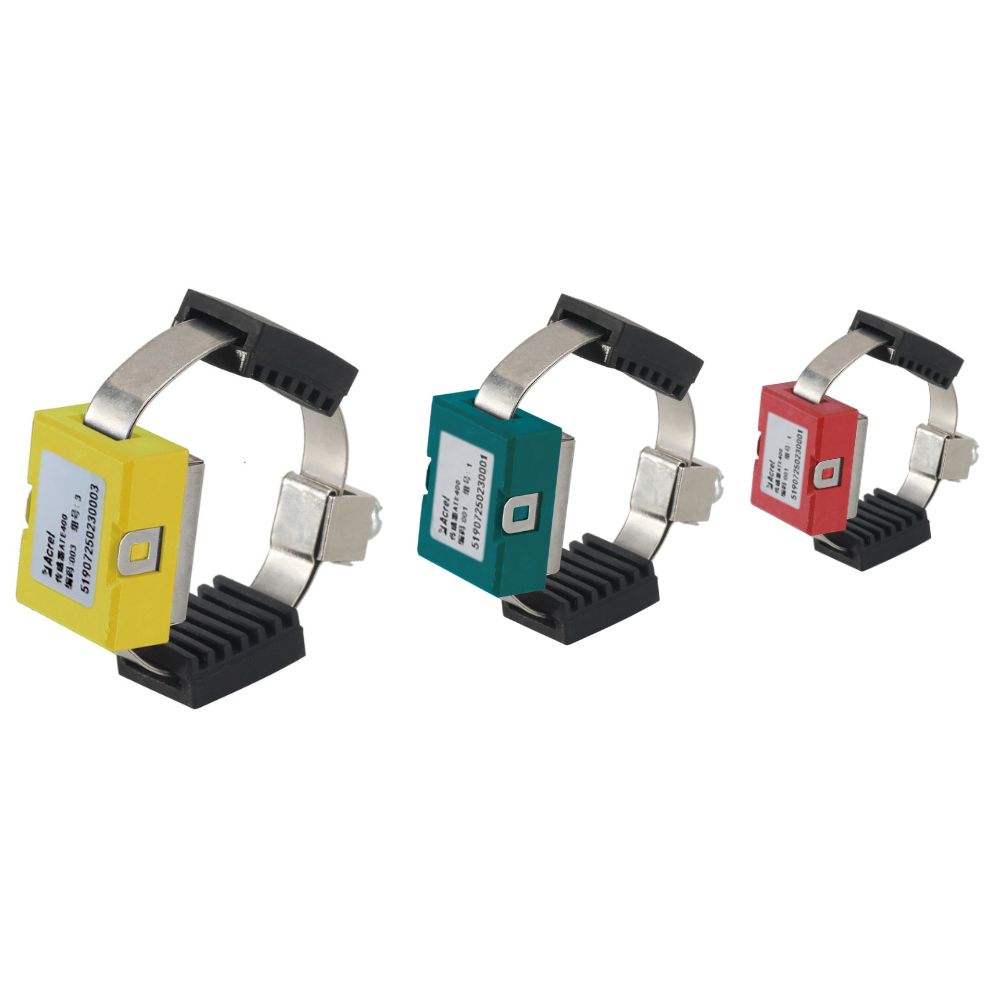
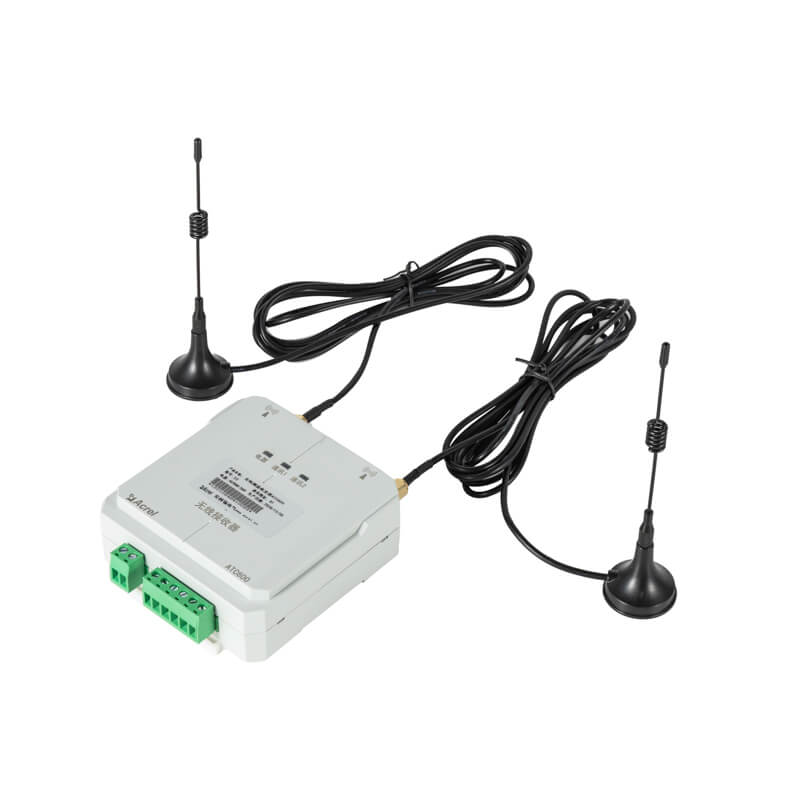
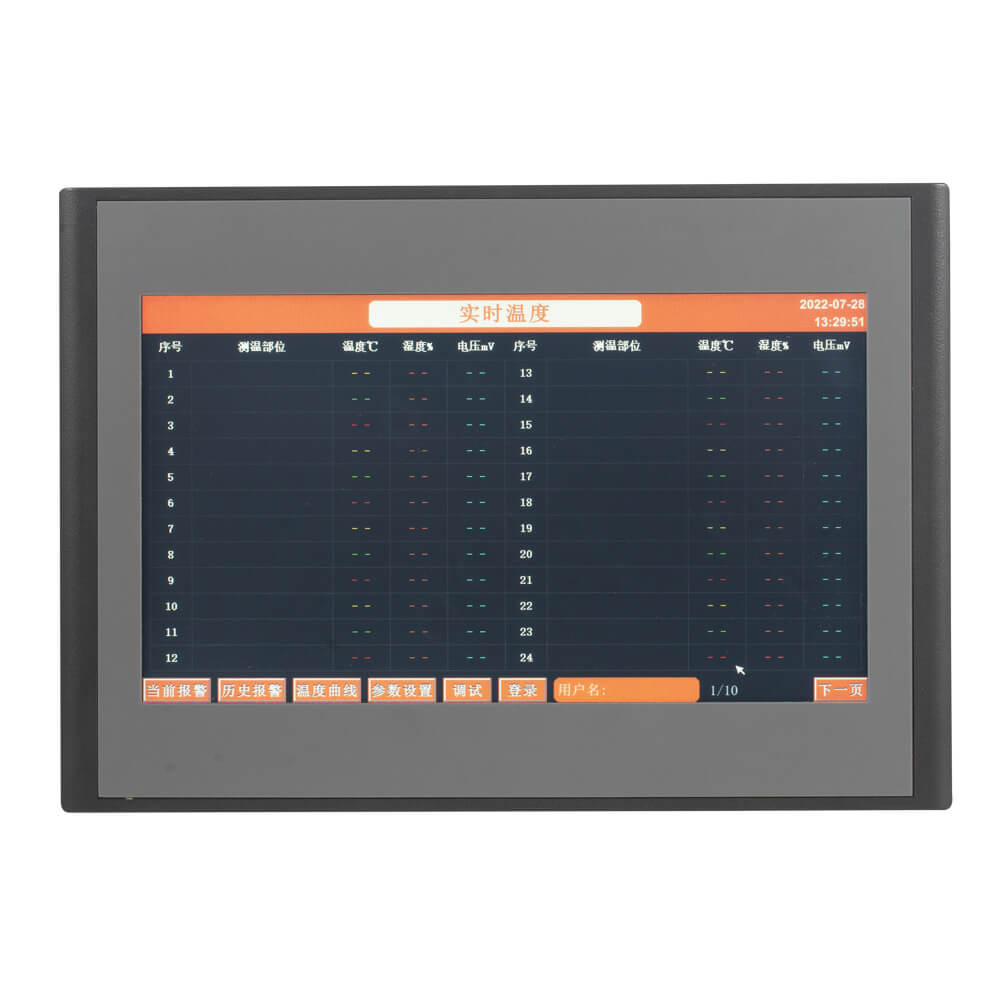
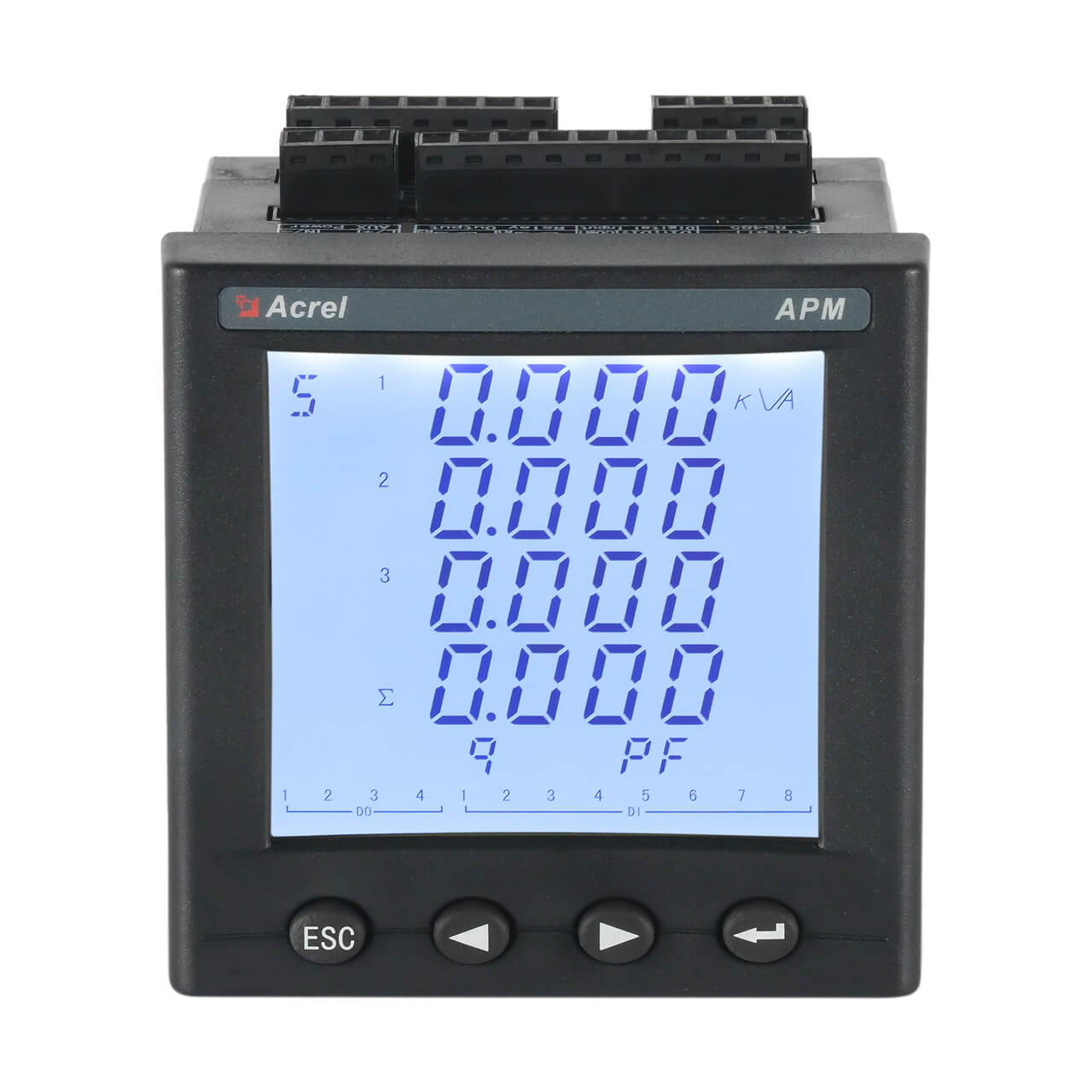
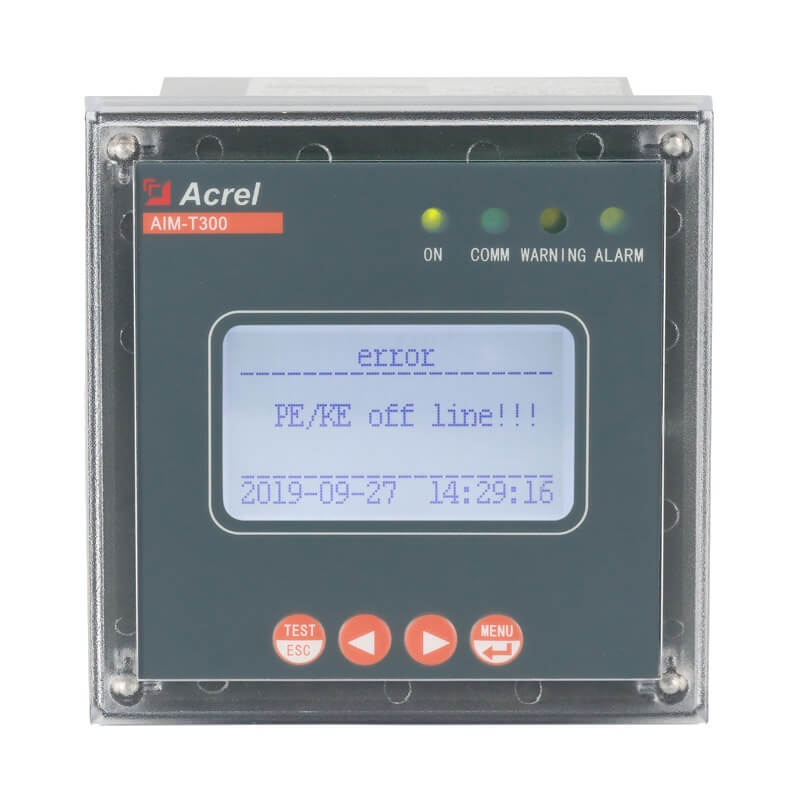
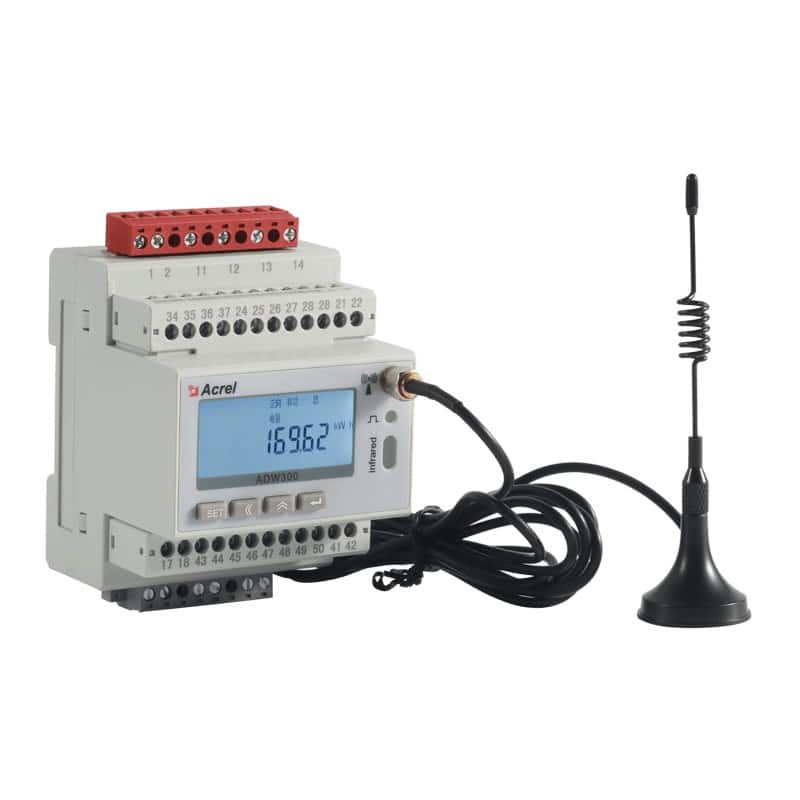
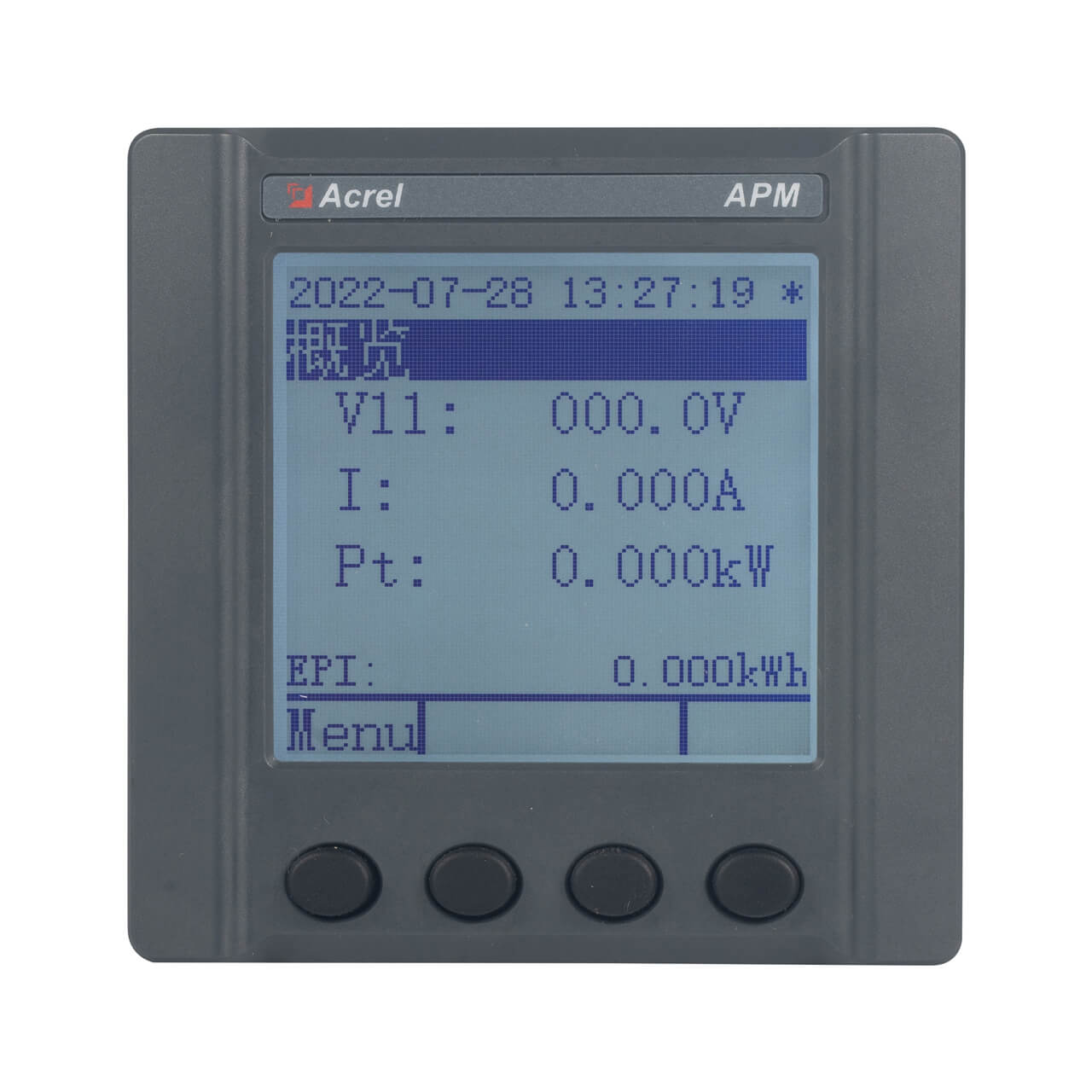
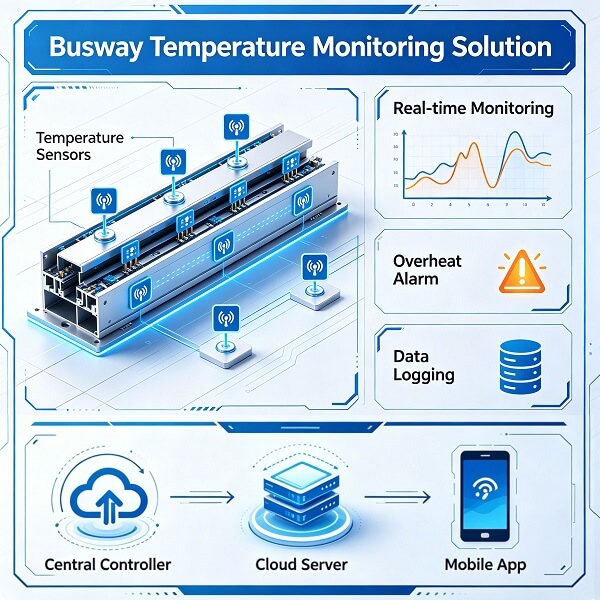
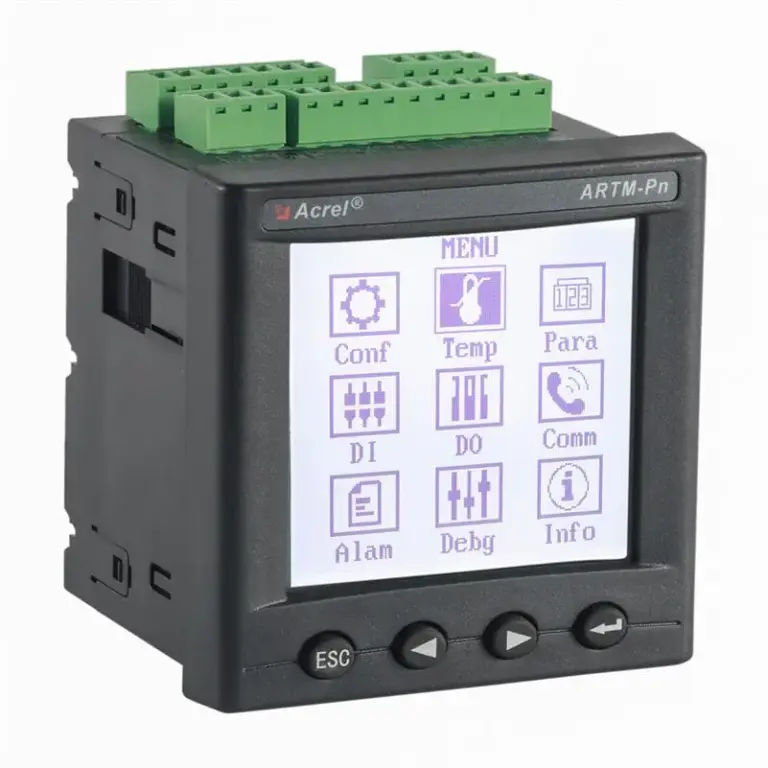
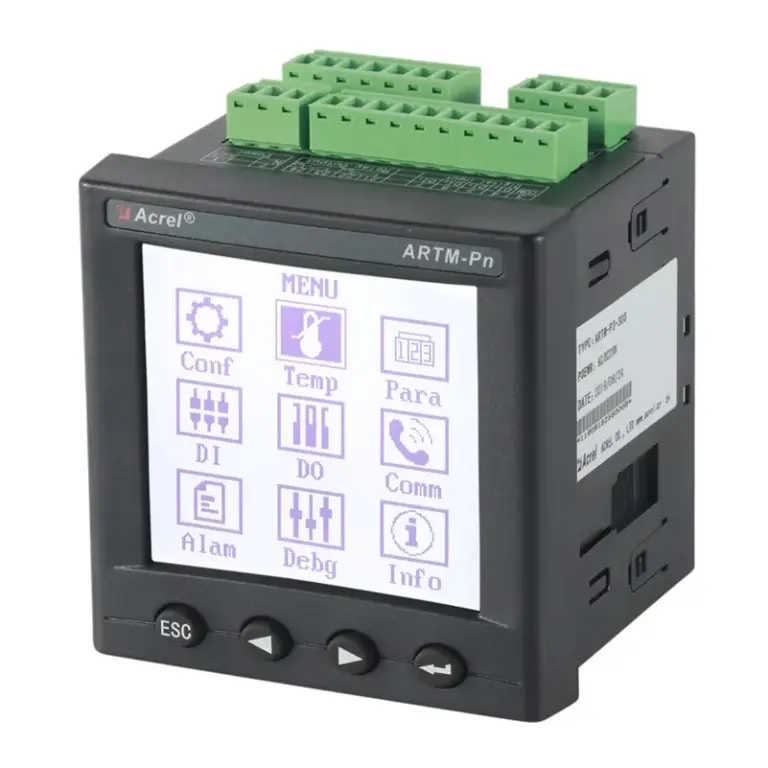
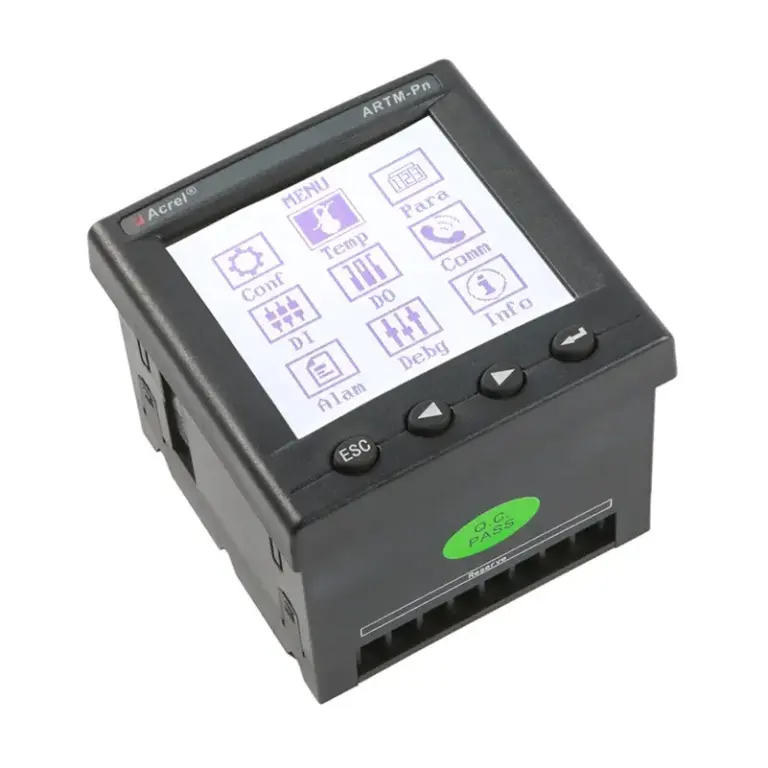
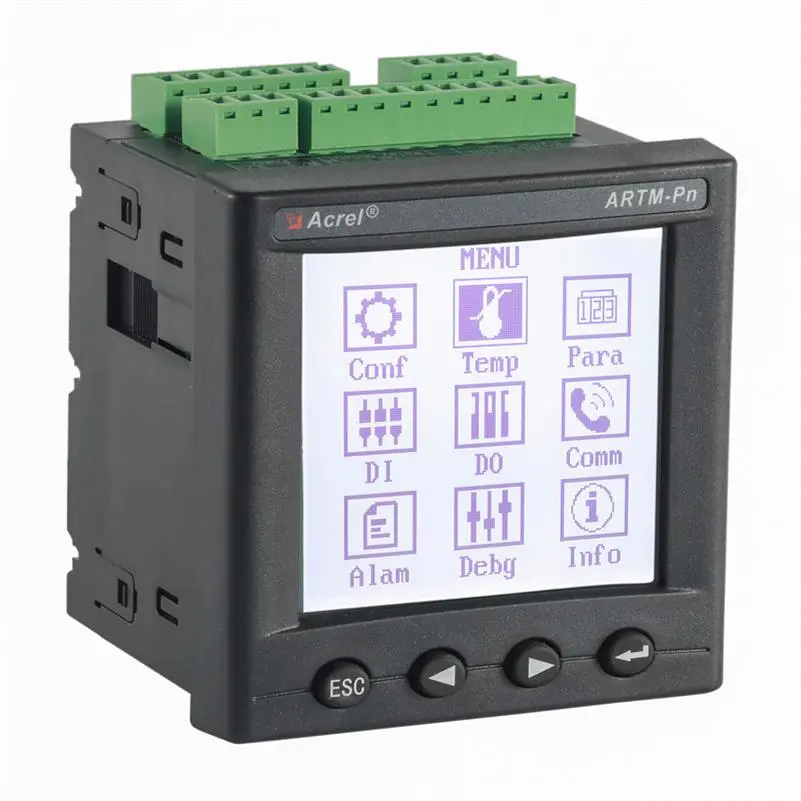
The ARTM-Pn wireless temperature measuring equipment is designed for real-time temperature monitoring of critical points in 3–35kV indoor switchgears and 0.4kV low-voltage cabinets. Wireless sensors (ATE series) installed on breaker contacts, cable joints, or busbars transmit data via 470MHz to the receiver for local LCD display. The device supports RS485 Modbus-RTU communication, enabling seamless integration into SCADA or EMS systems for remote supervision, early fault detection, and enhanced power supply reliability.
Highlight
Multi-Model Options
- P3/P6/P9/P12 models
- Up to 60 points
- Electric meas. optional (-E)
Wide Power Supply
- AC85-265V / DC100-300V
- Power ≤8W
High Accuracy
- Accuracy ±1℃
- Resolution 0.1℃
- 470MHz wireless
- Range 150m (open)
Standard Outputs
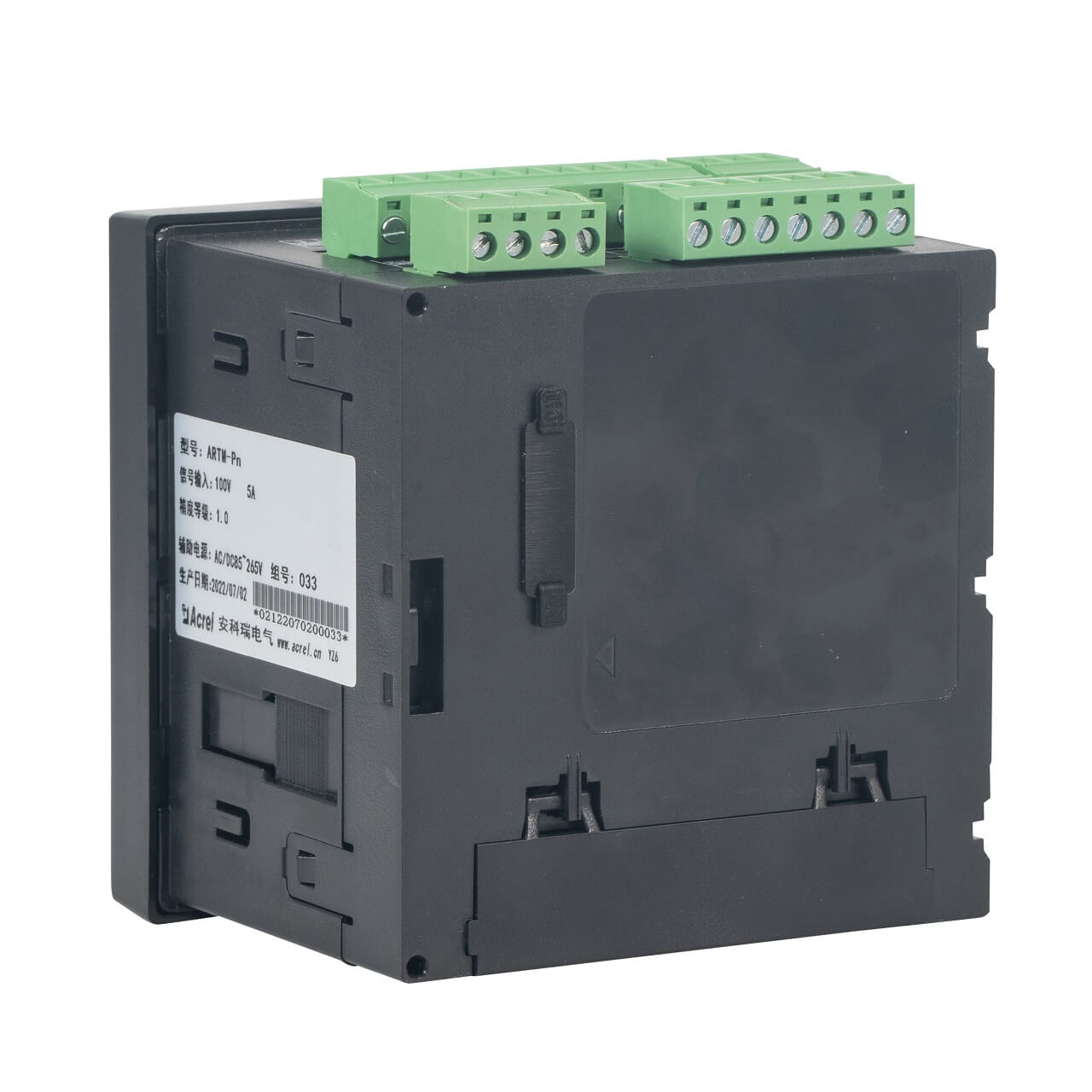
- RS485 Modbus-RTU
- 2 relays (5A)
- 4 digital inputs
- Sensor status
Function
| Wireless Temperature Monitoring | Receives data from up to 60 wireless sensors (ATE100M, ATE200, ATE400, etc.), real‑time display of each node temperature. |
| Multi‑level Alarm | Configurable thresholds for high temperature, over‑temperature, phase difference, sudden change, temperature rise, and low battery; alarms trigger relay output. |
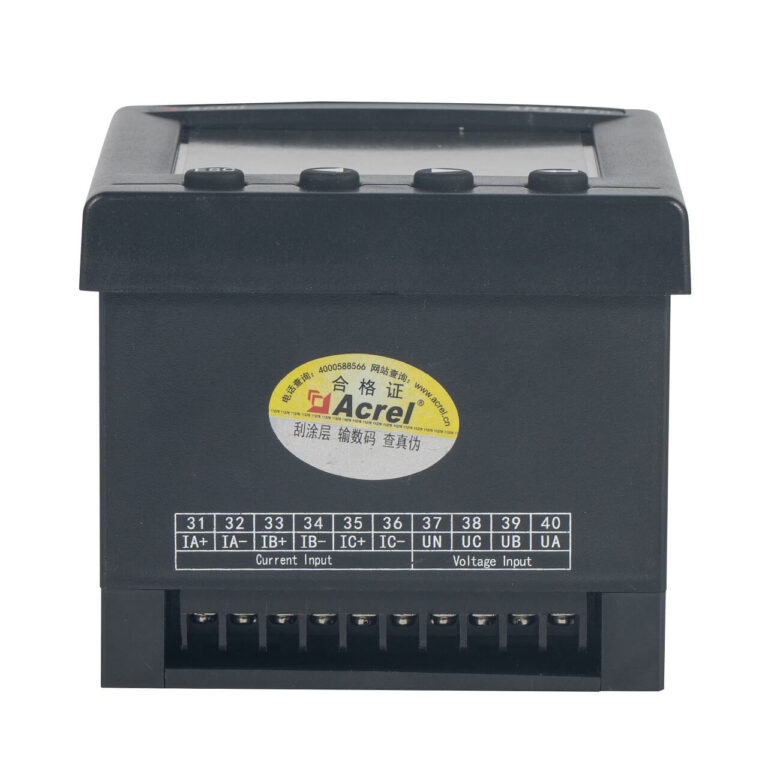
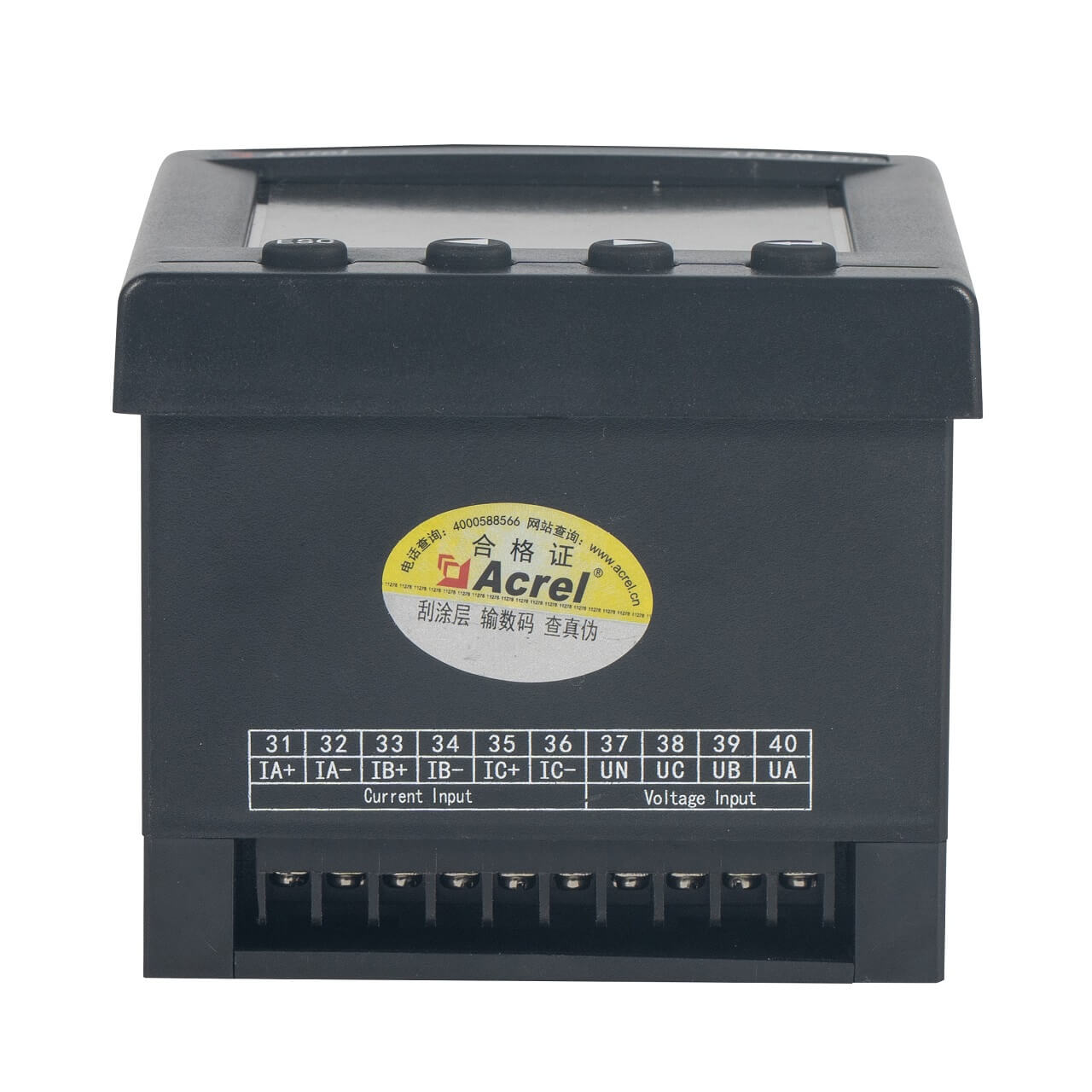
| Electric Parameter Measurement (E‑version) | Measures current, voltage, power, energy, harmonics (2–63), unbalance, and demand; supports time‑of‑use metering. |
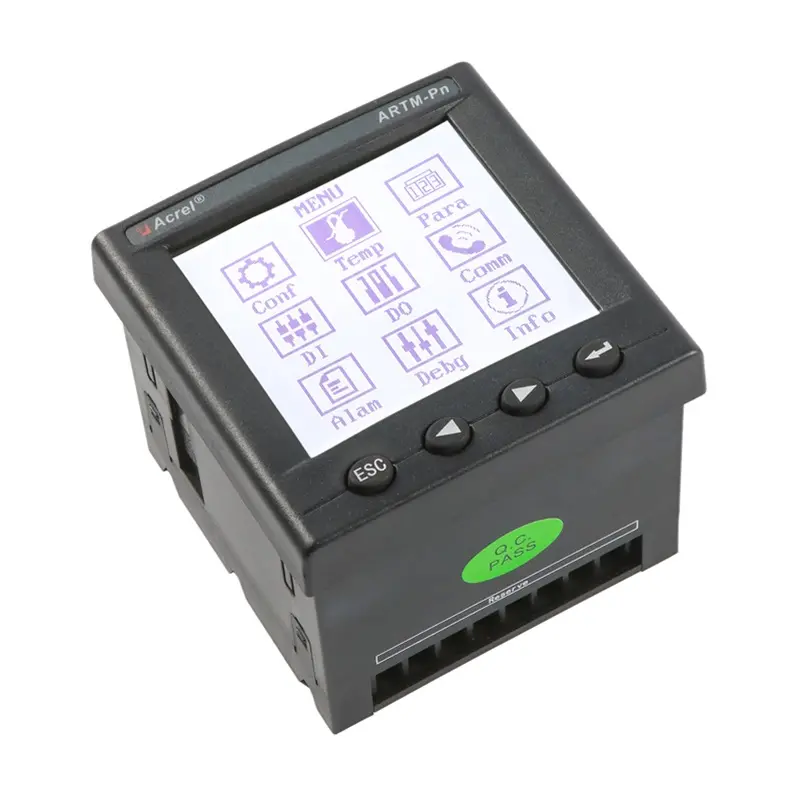
| Data Logging & Display | 2.8″ LCD with backlight, shows temperature, extremes, sensor voltage, DI/DO status, and alarm history. |
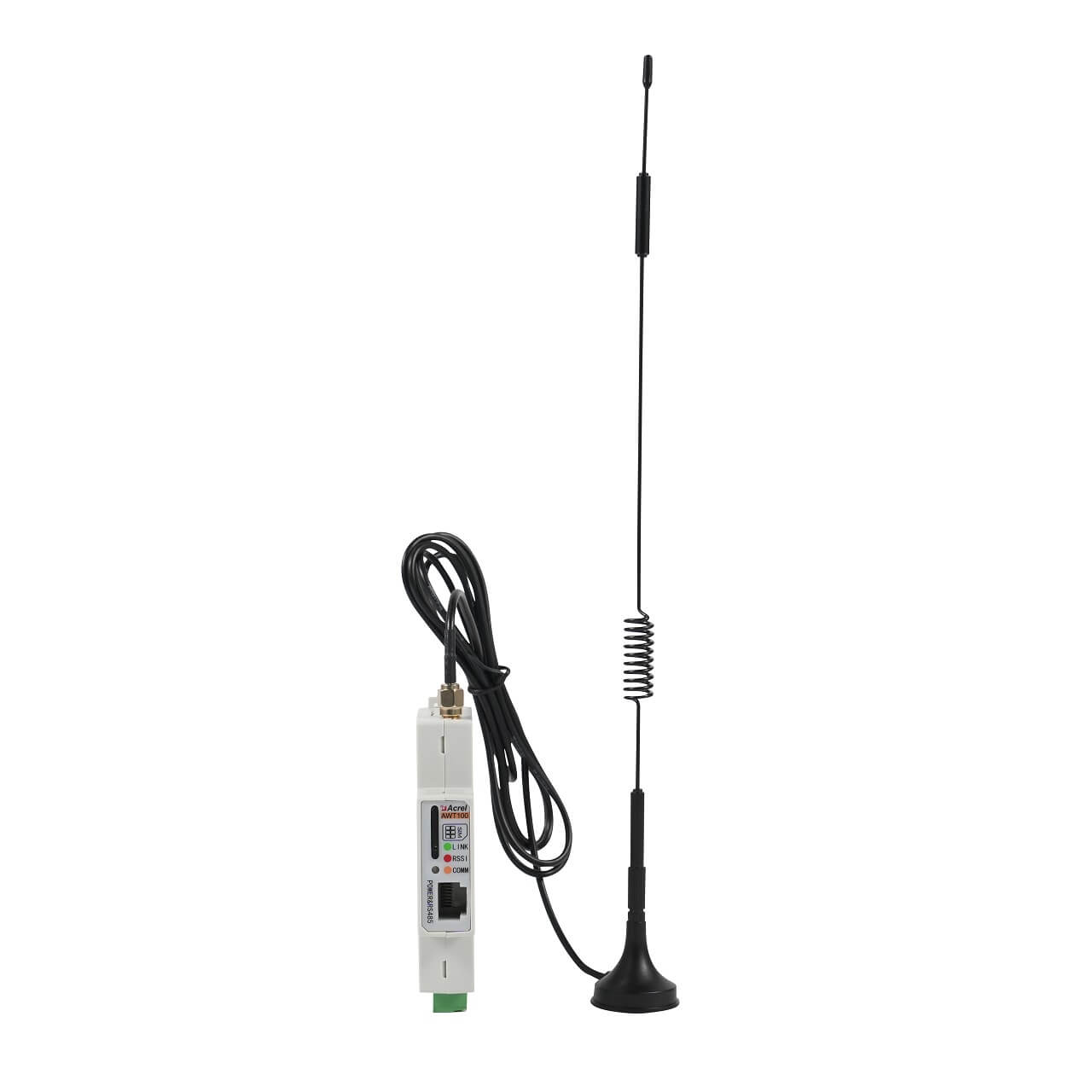
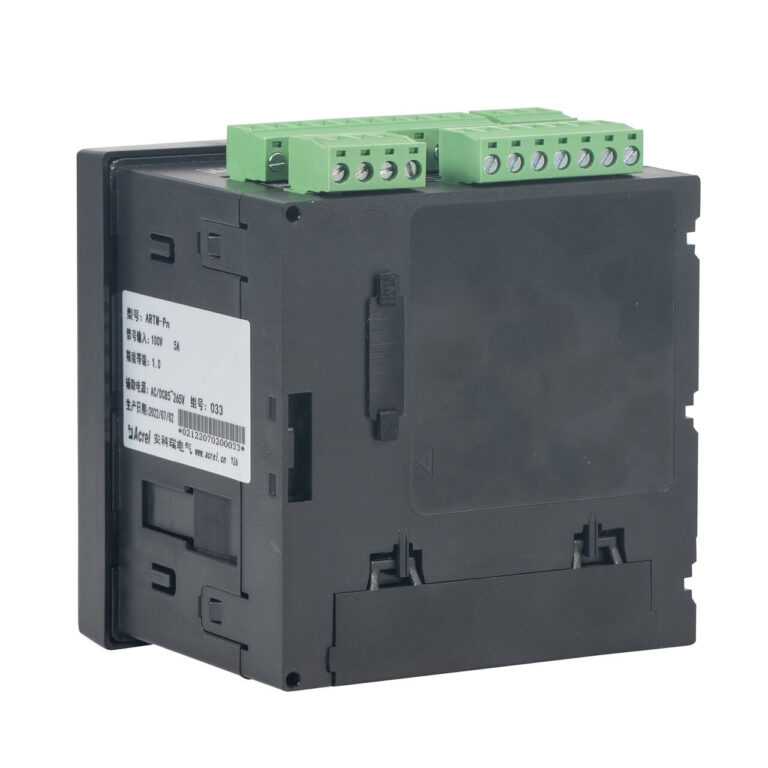
| Communication | RS485 with Modbus‑RTU protocol, baud rate 2400–19200bps, easy integration with SCADA. |
| Digital Input / Relay Output | 4 DI for breaker status, 2 DO (5A) for alarm or control, can be set to manual or logic mode. |
Specification
| Parameter | Value |
| Power Supply | AC 85–265V or DC 100–300V |
| Power Consumption | ≤8W |
| Temperature Range | -50℃ ~ +125℃ (sensor dependent) |
| Temperature Accuracy | ±1℃ |
| Wireless Frequency | 470MHz |
| Wireless Range | 150m (open area) |
| Communication Interface | RS485, Modbus-RTU |
| Baud Rate | 2400 / 4800 / 9600 / 19200 bps |
| Digital Inputs | 4 opto-isolated |
| Relay Output | 2 outputs, 5A/250VAC, 5A/30VDC |
| Electric Parameters (E-ver) | Current, voltage, power, energy, harmonics (2–63), unbalance |
| Operating Temperature | -20℃ ~ +55℃ |
| Humidity | ≤95% (non-condensing) |
| MTBF | ≥50,000 h |
| Installation | Panel embedded |
| Dimensions | 96×96×80 mm (cutout 92×92 mm) |
Show More
Model Differences
| Model | Temperature Points | Electric Measurement | Compatible Sensors |
| ARTM-P3 | 3 | Optional (add -E) | ATE100M, ATE200, ATE400 |
| ARTM-P6 | 6 | Optional (add -E) | ATE100M, ATE200, ATE400 |
| ARTM-P9 | 9 | Optional (add -E) | ATE100M, ATE200, ATE400 |
| ARTM-P12 | 12 | Optional (add -E) | ATE100M, ATE200, ATE400 |
| ARTM-Pn (n≤60) | Up to 60 | Optional (add -E) | ATE100M, ATE200, ATE400 |
FAQ
The device supports up to 60 sensors. Models P3, P6, P9, P12 correspond to 3, 6, 9, 12 points respectively, and can be expanded to 60 points by configuration.
The wireless range is 150m in open area at 470MHz. Obstacles like metal cabinets may reduce the distance.
Yes, choose the model with “-E” suffix (e.g., ARTM-P12-E) to enable current, voltage, power, harmonics, and energy measurement.
Through the device menu: “Conf” → “Para” → set high temperature, over-temperature, phase difference, sudden change, and temperature rise values for each node. The corresponding “Node Enable” must be set to “ON” for relay activation.
The device displays low-voltage alarm on the screen and can also report via communication. Replace the battery or the sensor as needed.
Summary
The ARTM-Pn wireless temperature measuring equipment provides a reliable and flexible solution for monitoring critical points in switchgears and distribution cabinets. With multiple model options, high accuracy, and comprehensive alarm functions, it helps detect abnormal temperature rise early, preventing equipment failures and reducing maintenance costs. The optional electric parameter measurement adds extra value for energy management and power quality analysis. Standard RS485 Modbus-RTU interface ensures seamless integration with existing monitoring systems, making it ideal for both new installations and retrofit projects.