


Project Background
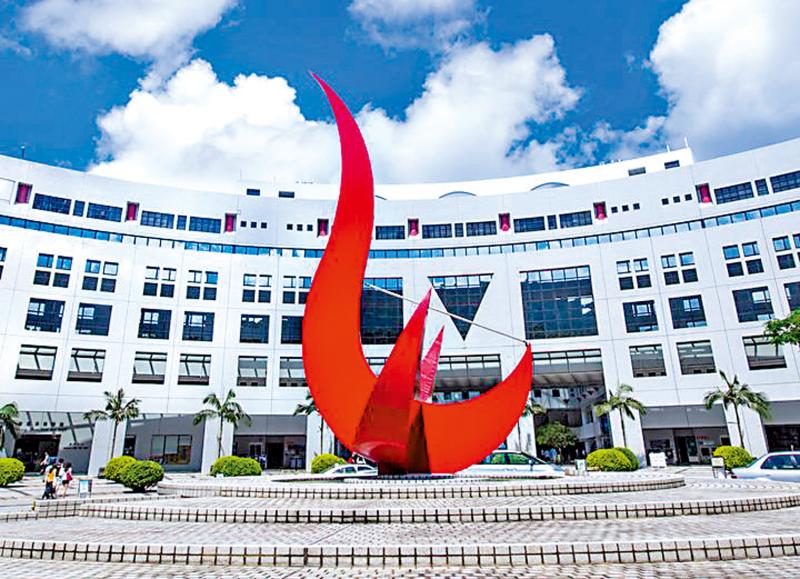
The Hong Kong University of Science and Technology (HKUST), a world-renowned research institution, hosts numerous sophisticated laboratories, data centers, and teaching facilities. A stable and reliable power supply is fundamental not only for daily campus operations but also for ensuring the safety of its staff and students and safeguarding research outcomes. The power distribution system, especially the low-voltage switchgear serving as the “last mile” of power distribution, is critical for electrical safety.
Project Challanges
During prolonged operation, critical electrical nodes within switchgear (e.g., contacts, busbar joints, cable connections) are prone to overheating due to oxidation, loosening, or increased contact resistance. If this abnormal temperature rise goes undetected, it accelerates insulation aging, potentially leading to equipment burnout, power outages, or even fires and explosions.
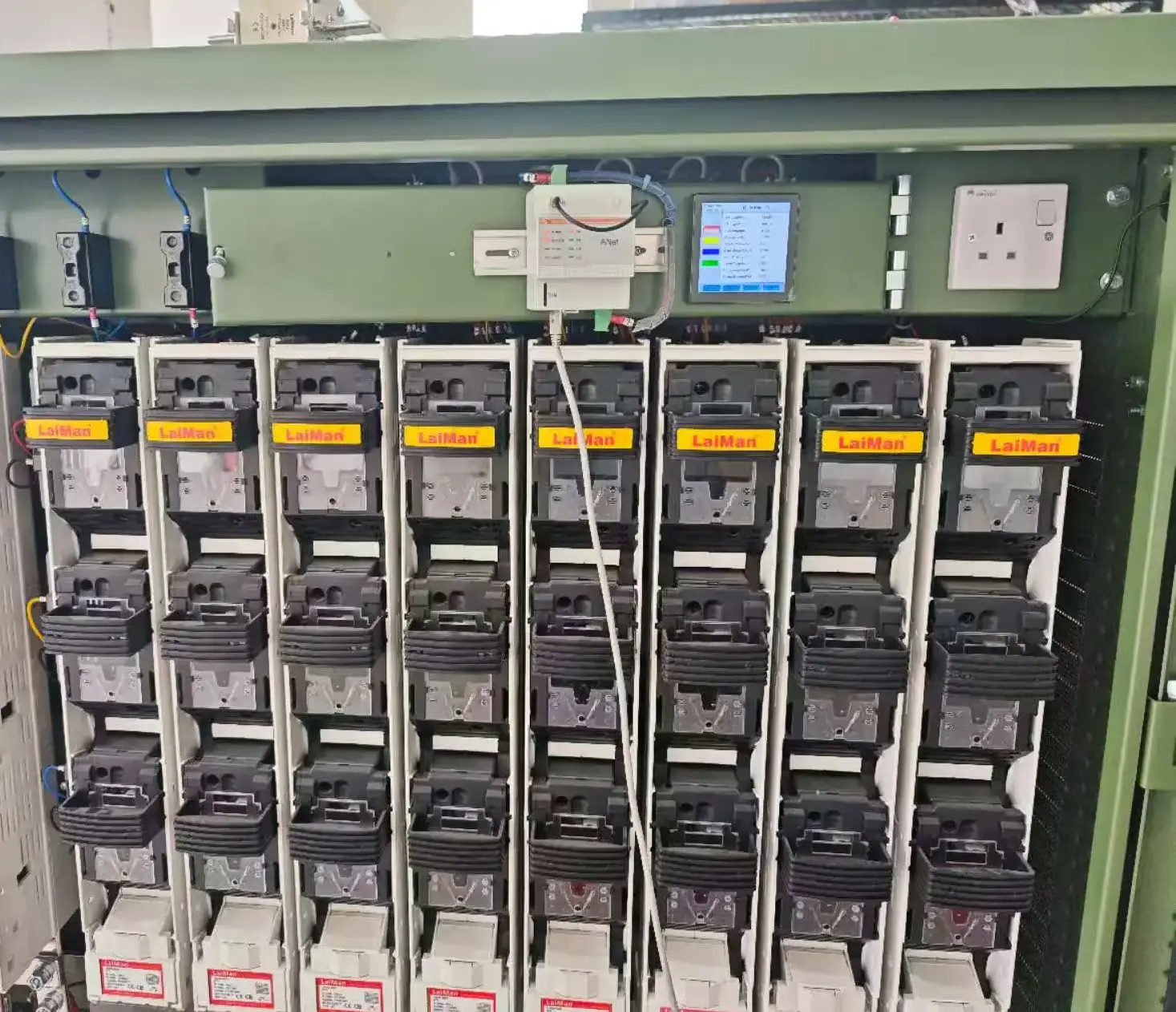
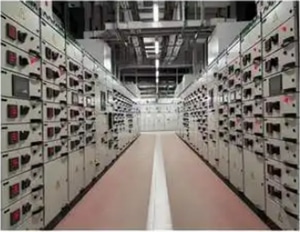
The HKUST safety and facility management teams were acutely aware of this risk. The substation in Area 2, housing 255 low-voltage switchgear panels (including incoming and outgoing feeders), urgently required an efficient, reliable, and real-time temperature monitoring system. The goal was to shift from manual inspection to intelligent prevention, enabling precise early warning of potential electrical fire hazards.
Solution
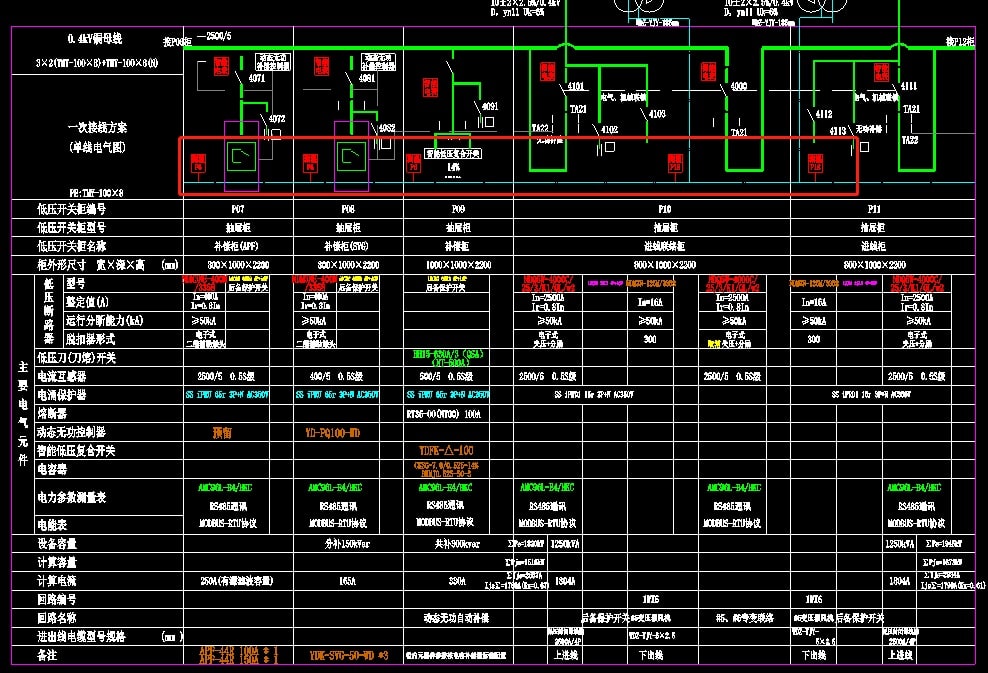
After rigorous technical evaluation and product selection, our company (Acrel) designed a comprehensive solution based on wireless temperature measurement technology. The core strengths of this solution are:
Comprehensive and Precise Monitoring
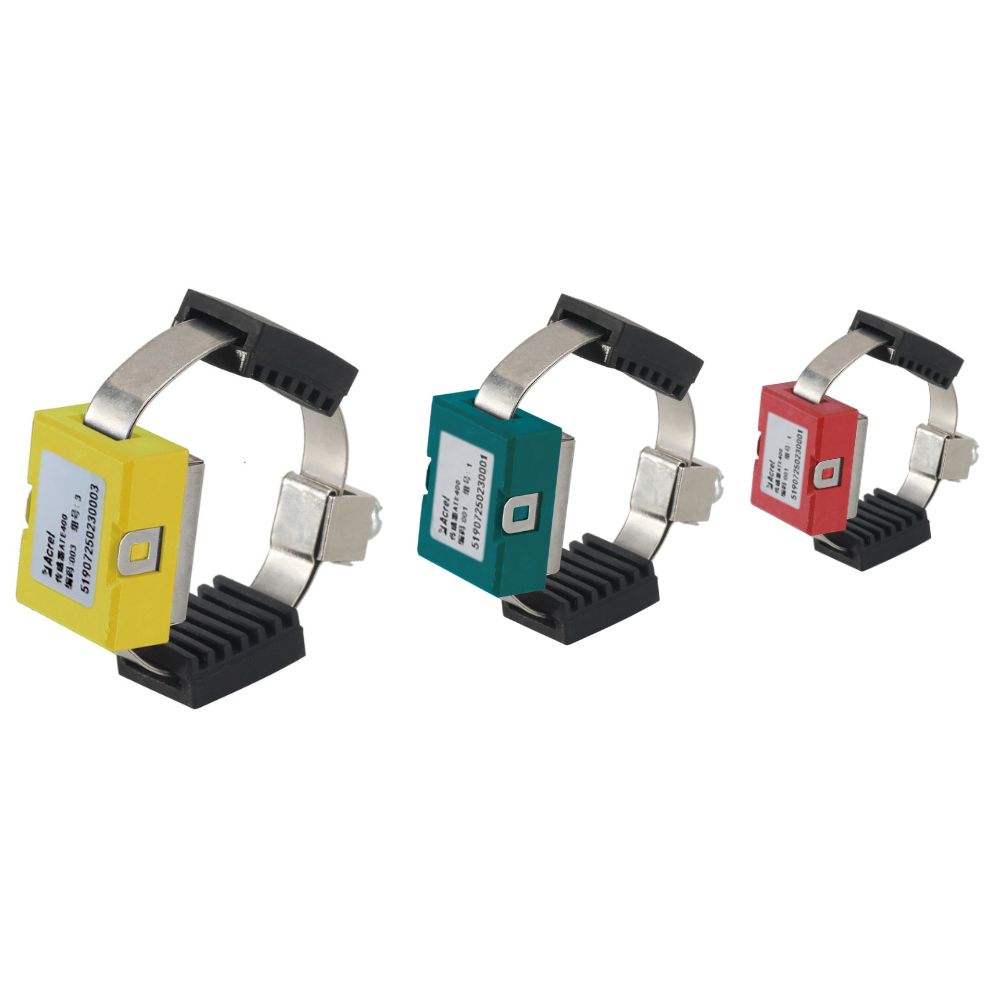
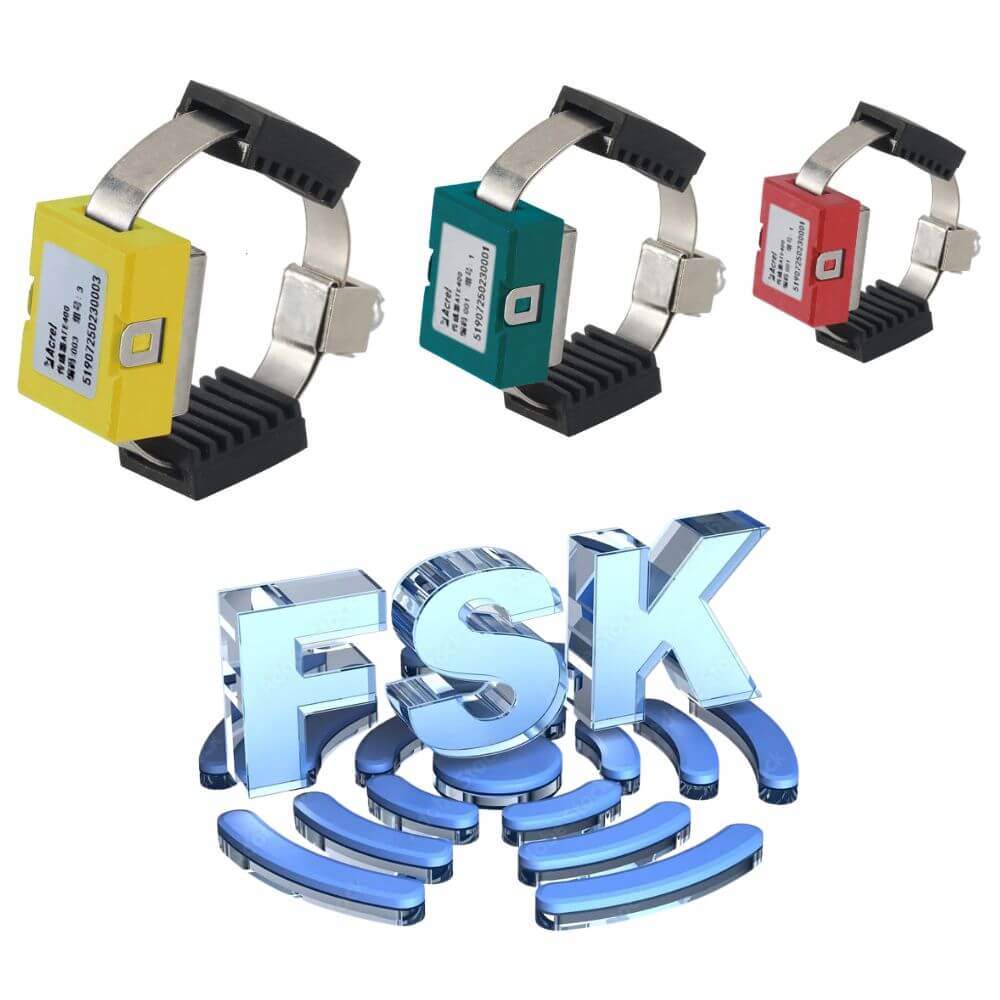
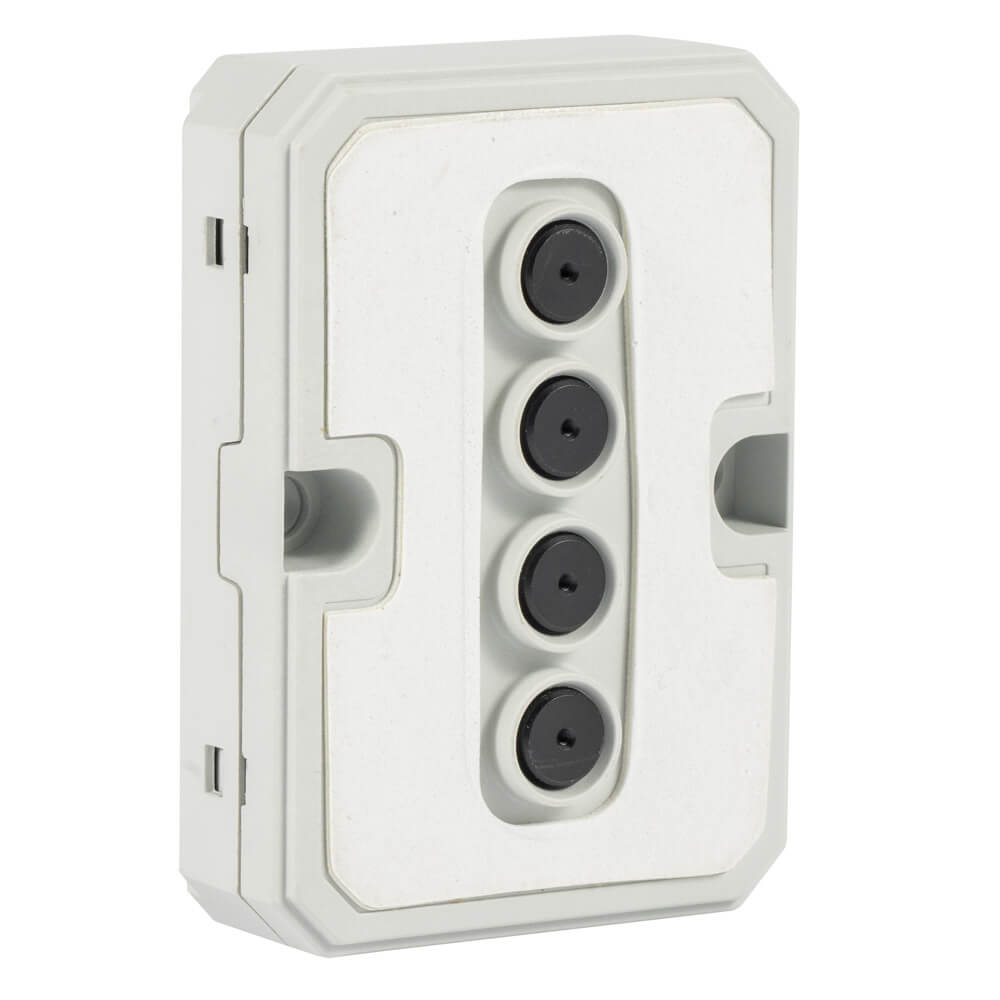
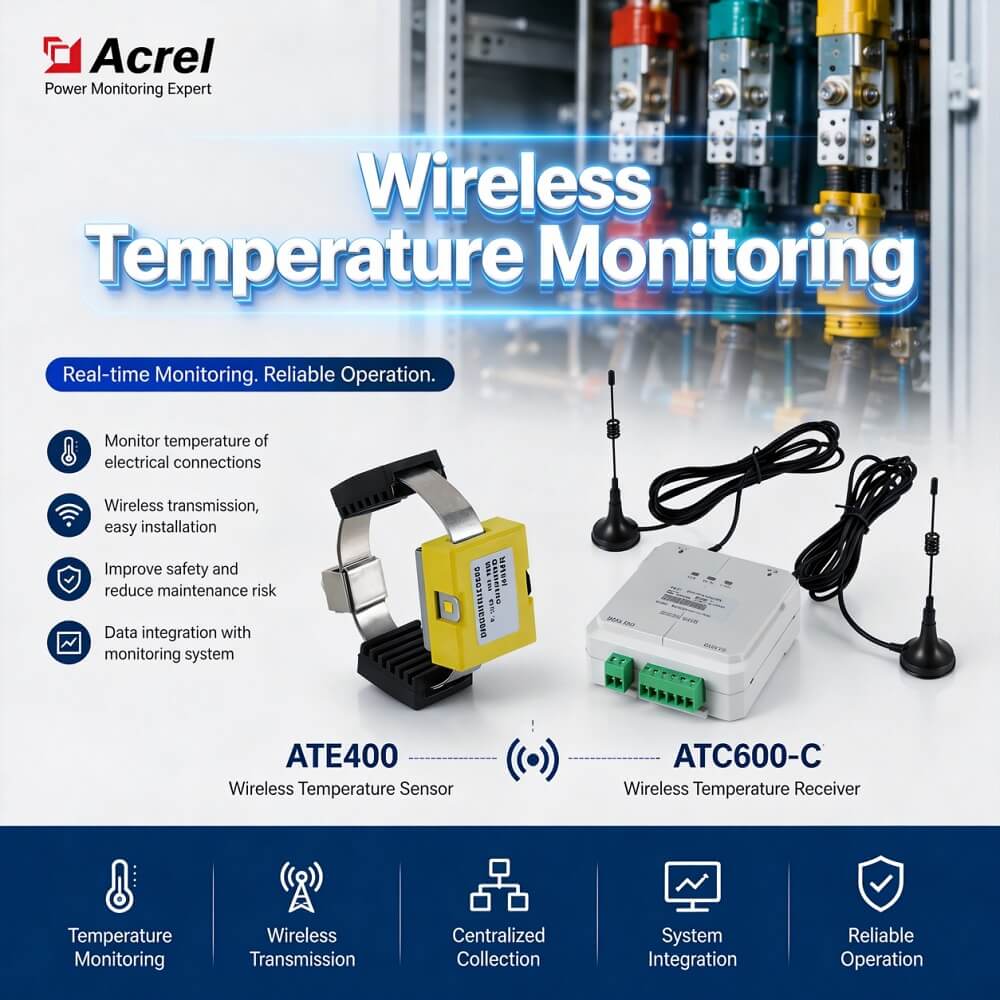
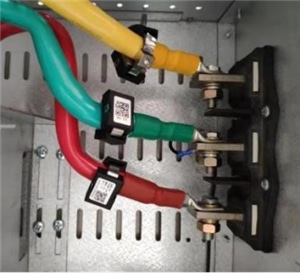
- Tailored Solution: To meet the project’s specific requirement for 3-point temperature measurement on each branch circuit of the LV panels, we deployed the ATE400 Wireless Temperature Sensor. This sensor features CT-induced power harvesting, eliminating the need for batteries and maintenance, with a low start-up current of ≥5A, making it ideal for high-current applications.
- Outstanding Performance: The sensor boasts a wide measurement range of -50°C to +125°C with an accuracy of ±1°C, ensuring data reliability. Its 470MHz wireless communication technology offers a range of up to 150 meters in open spaces, reliably transmitting signals within the complex environment of an electrical room.
Efficient Networking & Data Visualization
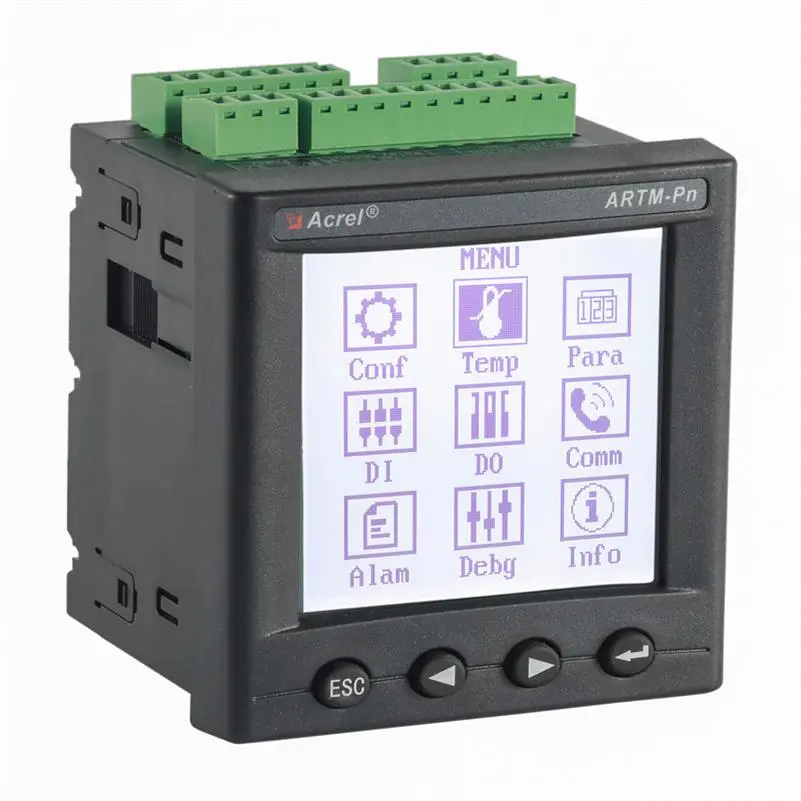
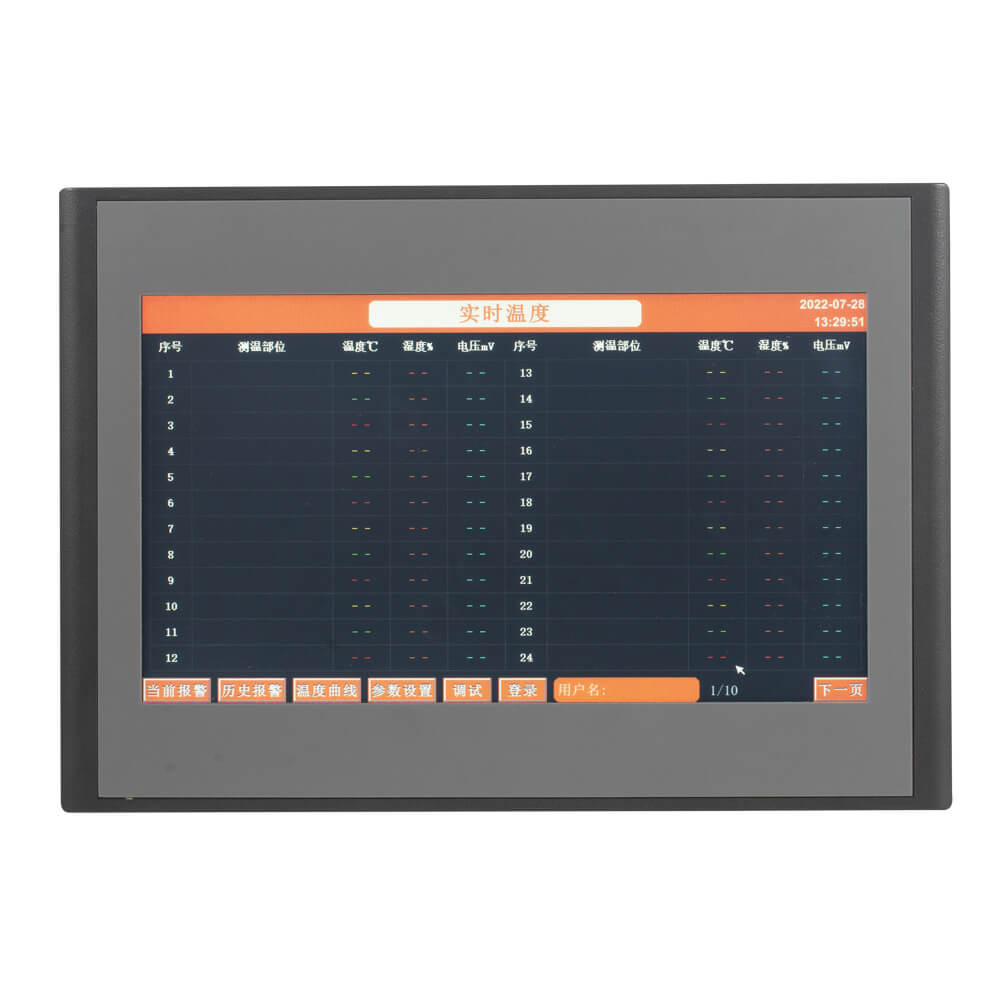
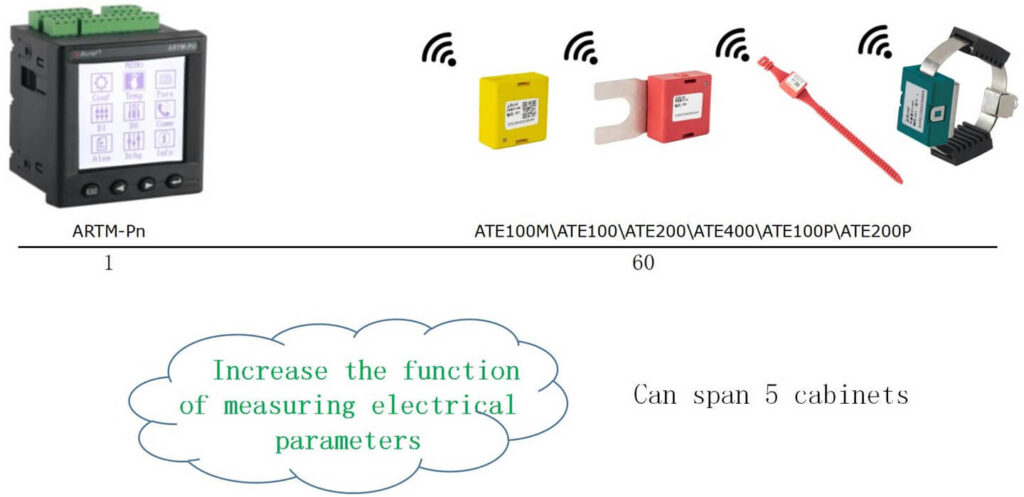
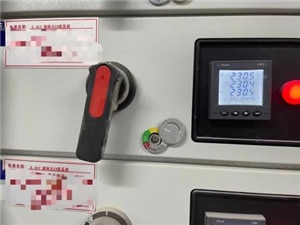
- Data Aggregation: We deployed ARTM-Pn series wireless temperature monitoring devices as data concentrators. Each unit can receive and process data from up to 60 ATE400 sensors and offer a standard RS485 interface for uplink.
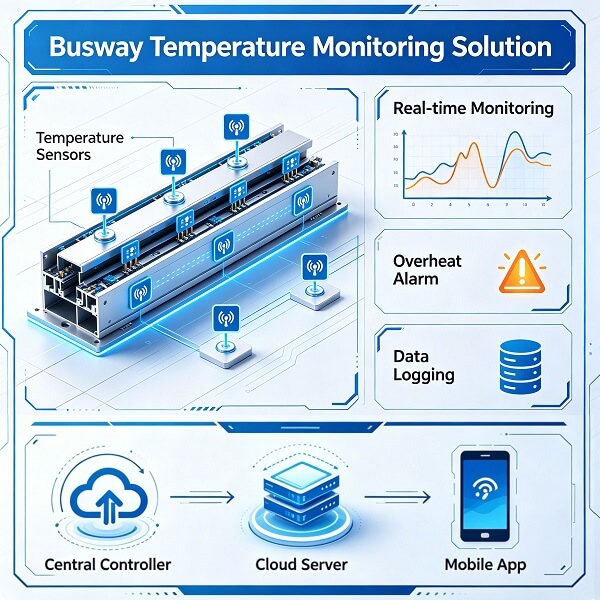
- Intelligent Platform: All ARTM-Pn units are connected via RS485 bus to a data gateway, which then transmits the aggregated temperature data to a Smart Campus Cloud Platform via fiber optics. Facility managers can view real-time temperatures, historical trends, and set multi-level alarm thresholds via the backend system.
System Architecture
Product Configuration (Partial)
| Product Name | Model | Quantity | Key Function |
|---|---|---|---|
| Wireless Temperature Monitoring Device | ARTM-Pn Series (P3, P6, P9, P15, P18, P24, P27, P30) | 38 units | Data receiving, display, uploading, and alarm |
| Wireless Temperature Sensor | ATE400 | 654 points | Node temperature collection and wireless transmission |
| Wireless Temperature Transceiver | ATC450 | 38 units | Signal enhancement, connecting sensors to ARTM devices |
Value & Achievements
The successful implementation of this project has brought significant value to HKUST:
- The successful implementation of this project has brought significant value to HKUST: Achieved a paradigm shift from traditional “periodic inspections” to “24/7 real-time online monitoring”. Any abnormal temperature rise is captured and alarmed instantly, preventing potential incidents.
- Enhanced O&M Efficiency, Reduced Costs: Maintenance personnel no longer need to spend hours on manual temperature checks across hundreds of nodes. The cloud platform provides a comprehensive overview of the entire system’s health, significantly boosting efficiency and reducing labor costs.
- Protecting Assets & Lives: Continuous and precise temperature monitoring of critical nodes effectively prevents equipment damage and electrical fires caused by overheating, safeguarding the university’s core teaching and research assets and ensuring the safety of its community.
- Data-Driven Decision Making: The accumulated temperature data provides a scientific basis for condition-based maintenance (CBM) and lifecycle prediction, enabling smarter maintenance planning and optimized asset lifecycle management.
Conclusion
The HKUST project stands as another exemplary application of our wireless temperature monitoring solution in the higher education sector. It fully demonstrates the outstanding performance and reliability of our products in complex and demanding power distribution environments. Acrel is committed to providing safe, intelligent, and efficient power monitoring solutions for global customers, helping them safeguard the safe and stable operation of their critical power systems.
Acrel – Your Trusted Partner for Power Safety