

Where Data Center RPP Power Monitoring Fits in AI Facilities
Before rack connection, precision power monitoring compares assigned branch loading with its limit. Hall capacity alone cannot confirm that circuit has spare capacity. At the remote power panel (RPP) or head cabinet in a hyperscale AI supercomputing center, incoming and outgoing measurements help engineers assess connections and investigate alarms.
O&M teams in Saudi Arabia and the UAE should match each monitored point to a rack, breaker, and sensor. Agree circuit naming with the EPC team. Keep circuit records aligned as Middle East AI data centers expand in phases and add GPU capacity.
AI Rack Loads and RPP Operating Conditions
As H100 or B200 AI clusters expand, rack power density rises and outgoing circuit counts increase. At megawatt scale, AI data center power monitoring may span many RPPs and distribution panels. For accurate branch circuit monitoring, count the actual outgoing ways and construction phases before estimating equipment quantities.
Follow both A and B supplies from each rack to the panel schedule. The loading split may change when one path is unavailable; obtain the designer’s permitted transfer condition before judging spare capacity. Record single-phase and three-phase loads separately; assign measurement channels to each circuit on the schedule.
For data center RPP monitoring in the Middle East, inspect conditions inside the cabinet before equipment selection. Compare equipment ratings with cabinet temperature and ventilation, and inspect dust exposure and maintenance access. Outdoor climate alone does not establish the conditions at an indoor monitoring module.
Critical Monitoring Points at Feeders and Outgoing Circuits
Incoming-feed power quality monitoring
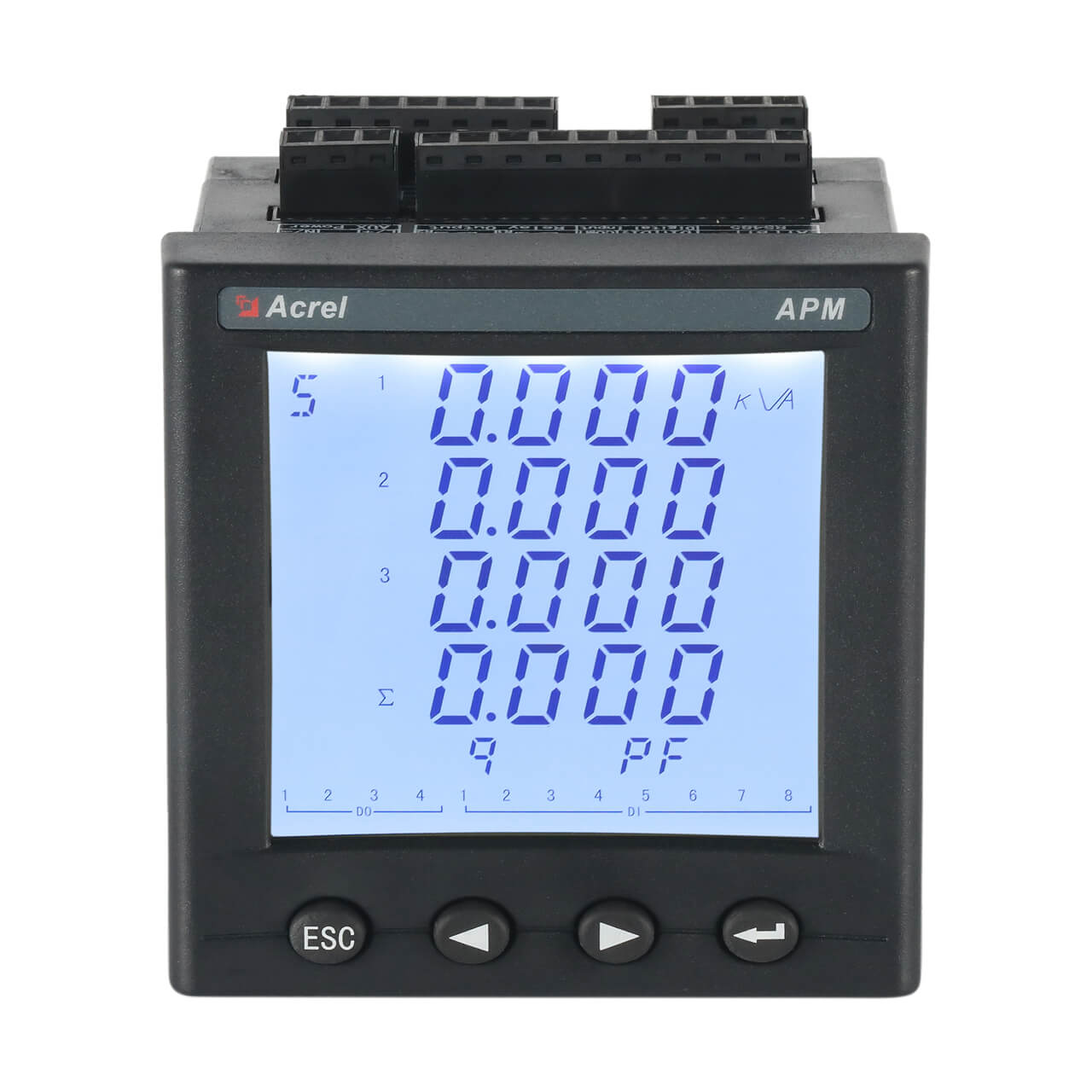
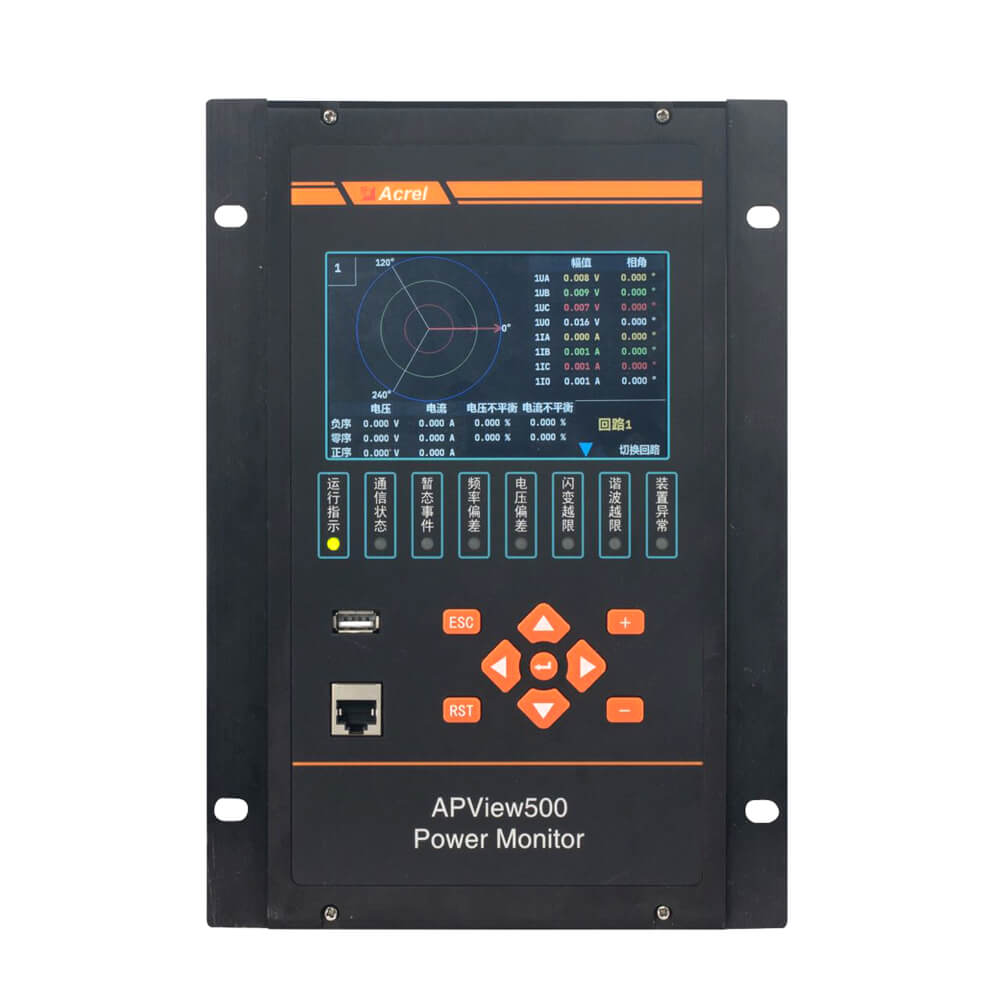
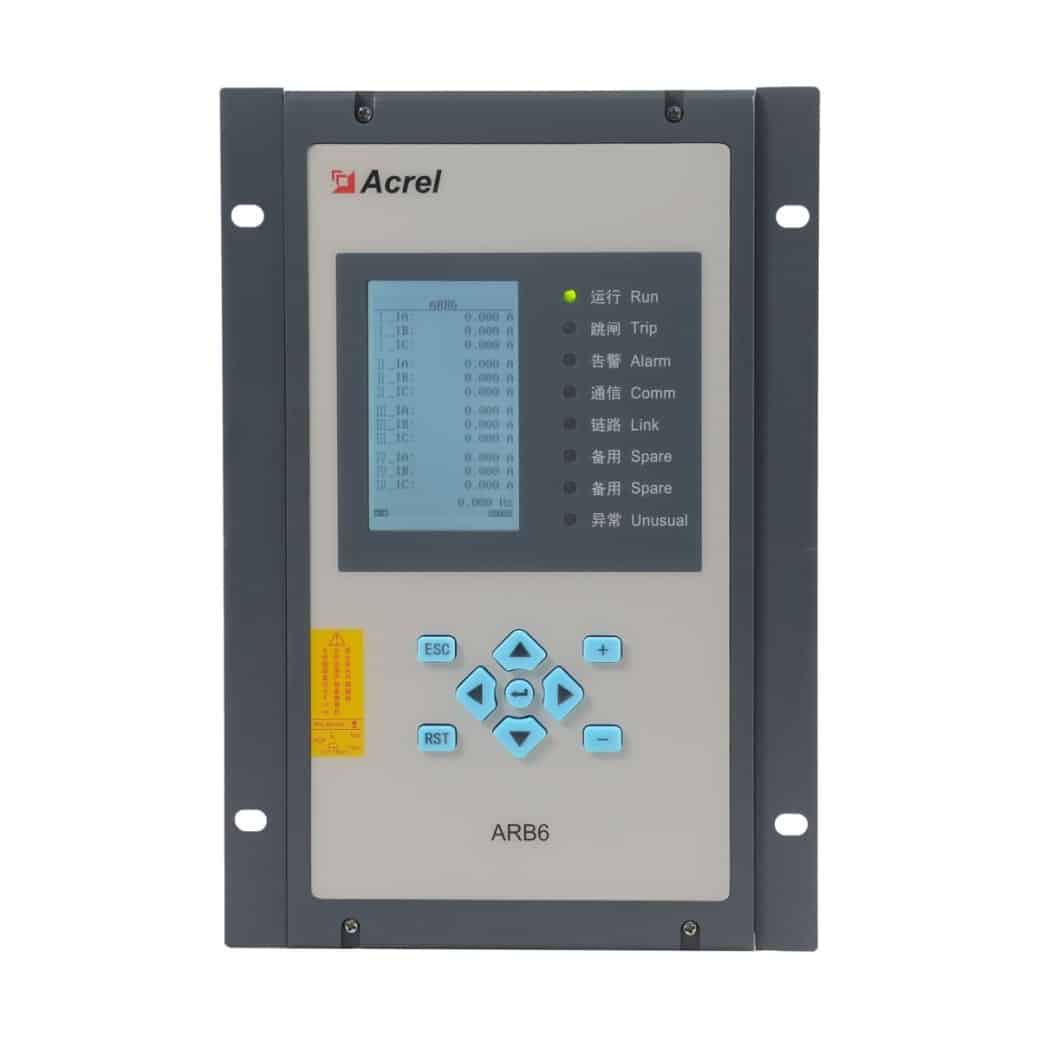
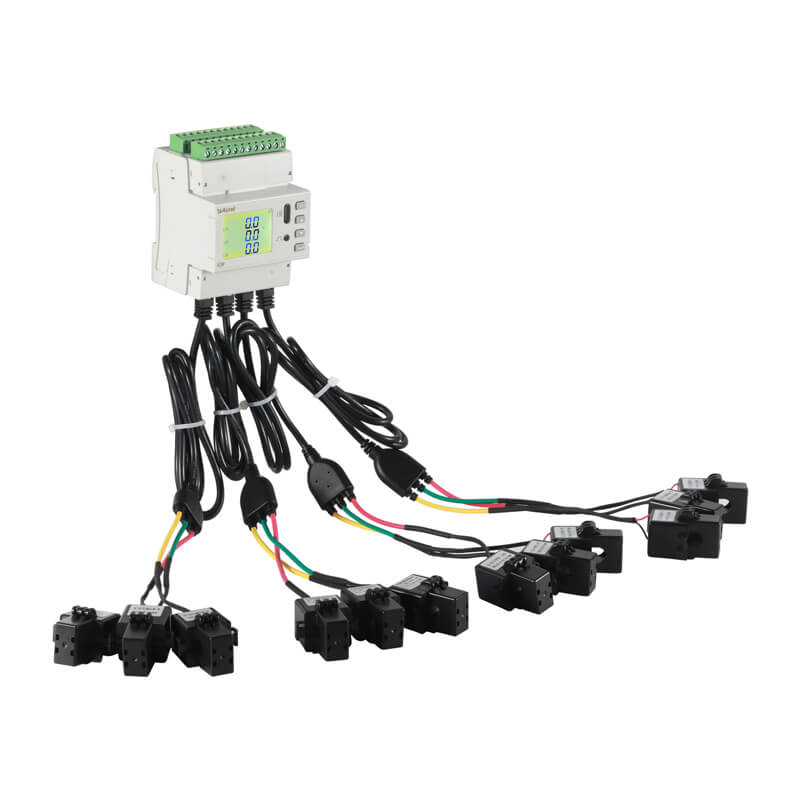
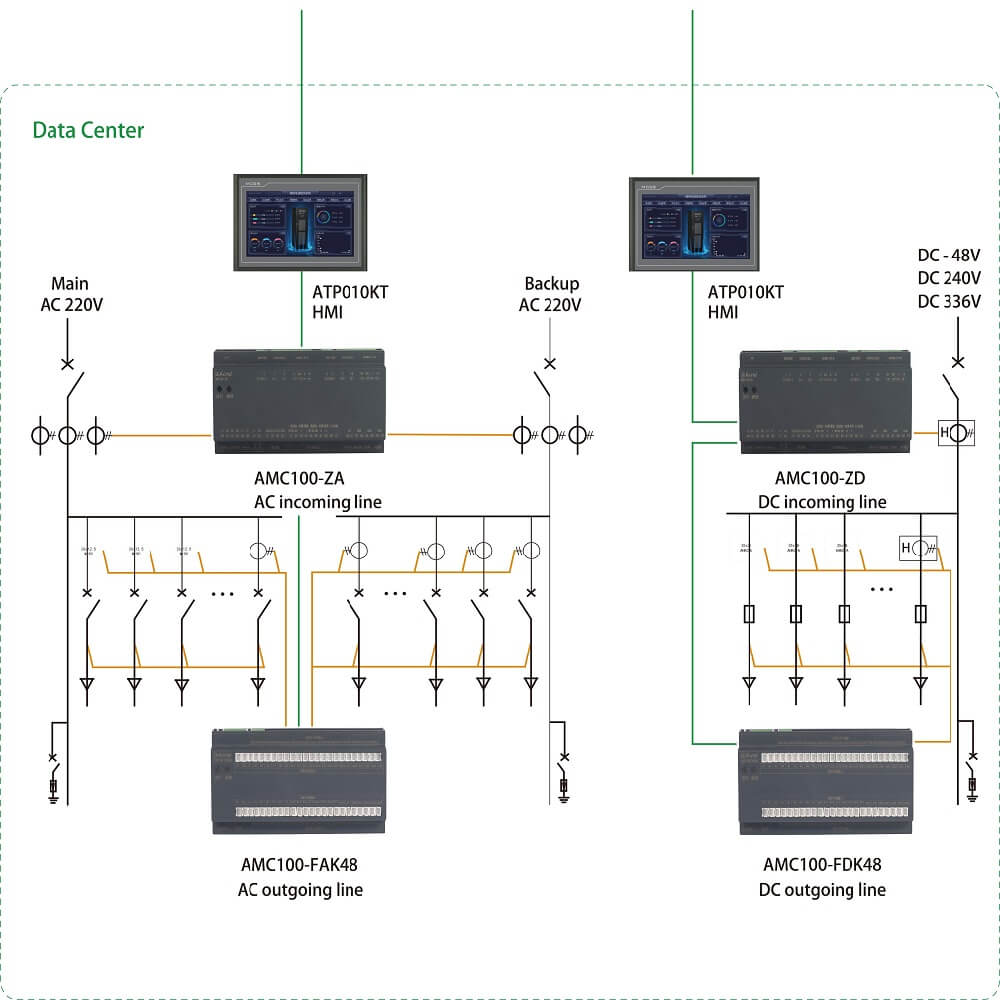
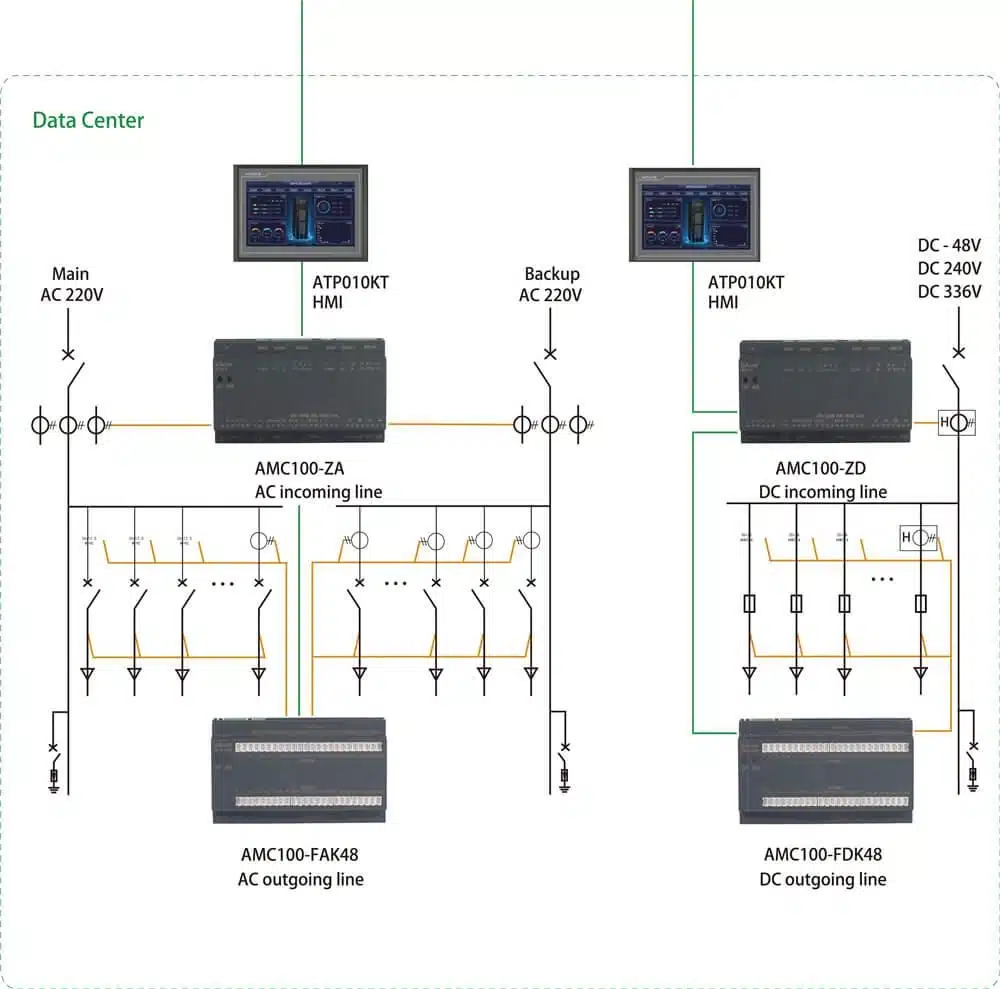
At the AC incoming feeder, precision power monitoring begins with the source readings. AMC100-ZA records incoming voltage, current, active power and energy, plus THD, harmonics 2 to 63, and three-phase voltage and current imbalance. During power quality monitoring, compare incoming point readings with the outgoing branch values separately.
Outgoing branch readings and switch status
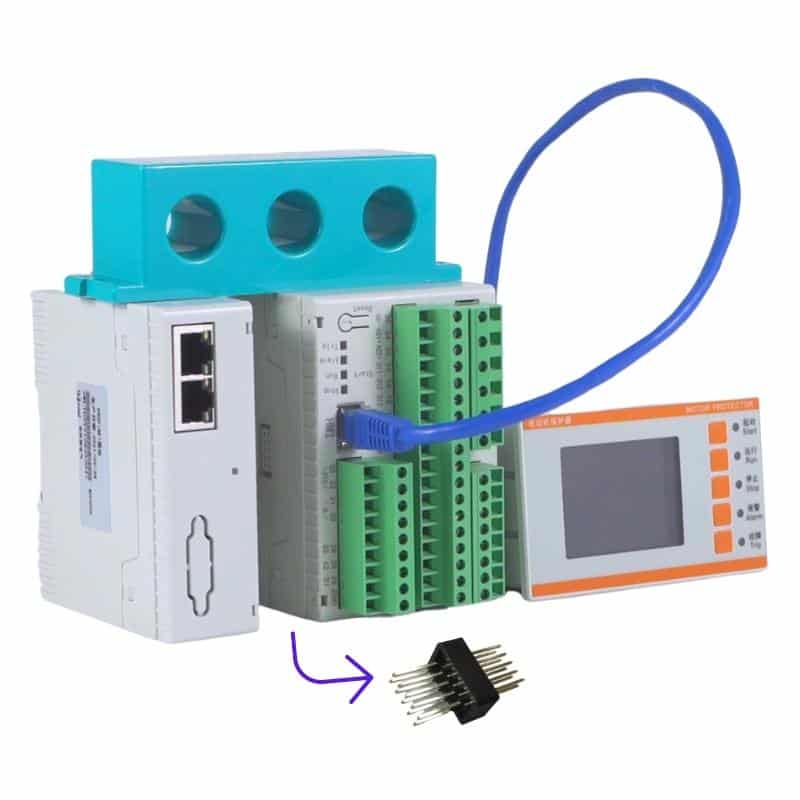
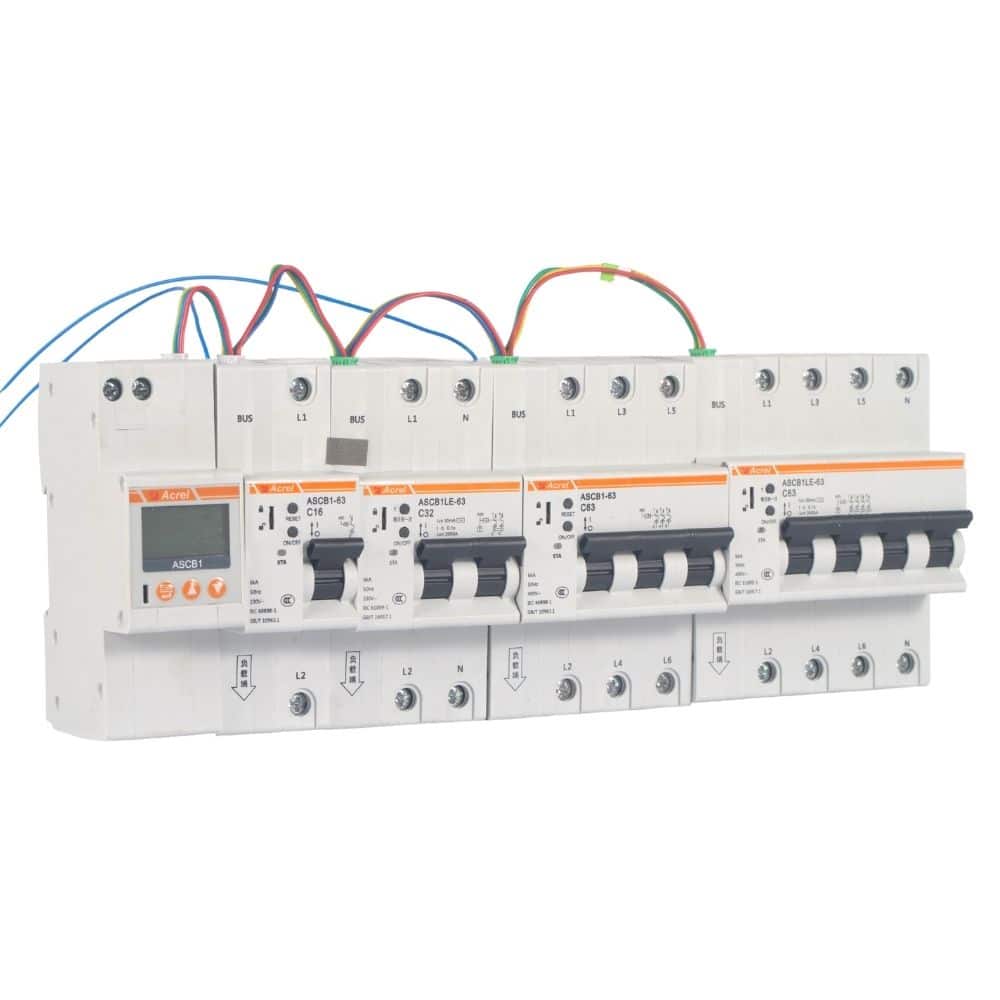
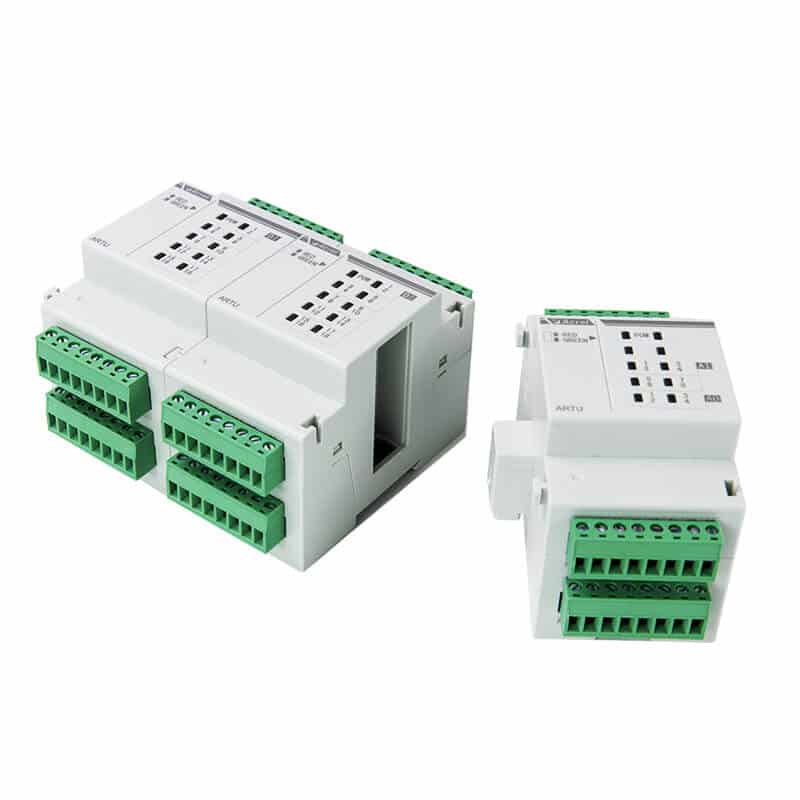
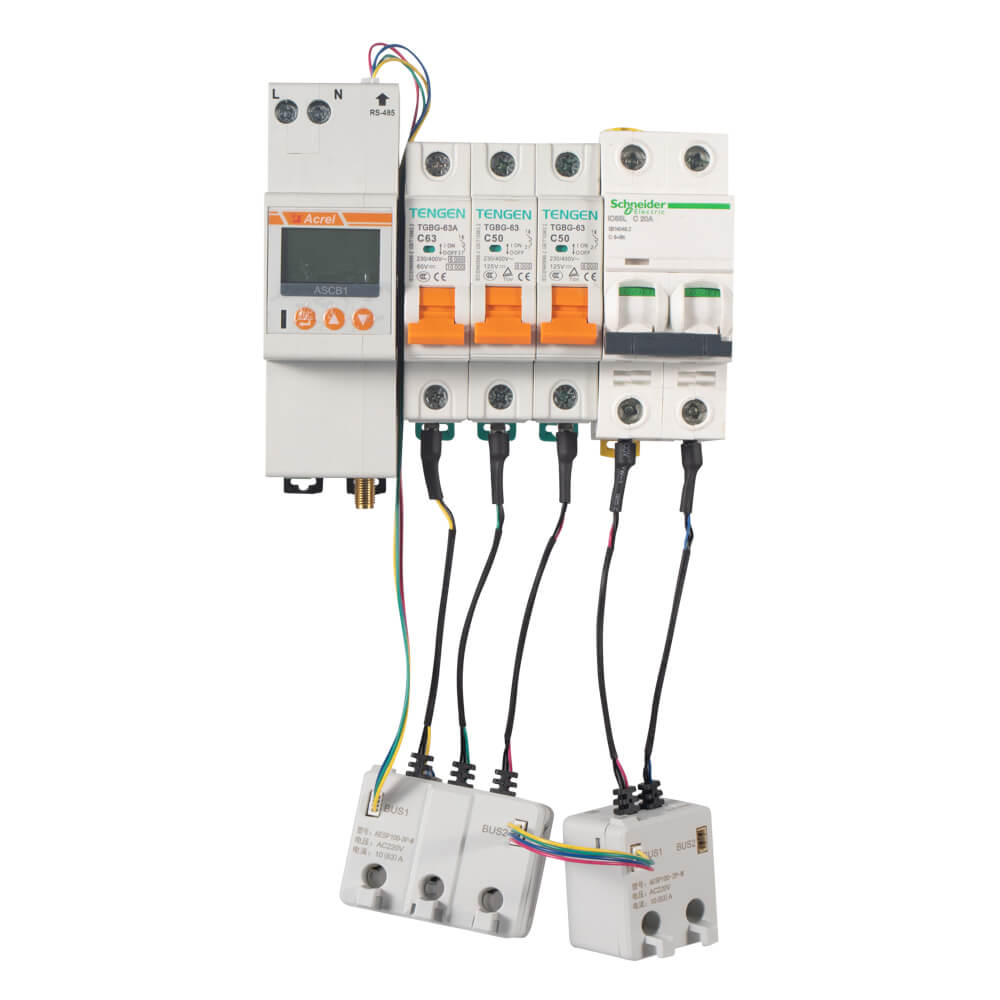
Count the outgoing AC branches: AMC100-FAK30 monitors 30 and AMC100-FAK48 monitors 48. Both provide electrical parameters and switch status. Voltage, current, power, energy, and power factor are available. For data center RPP monitoring, use the correct module and wiring to identify an open circuit from switch status.
Position sensors on the conductors shown in the approved wiring design, then label the physical circuit, CT, and screen consistently. A correct current value assigned to the wrong rack remains an operational error.
Metering and Communication Requirements for AI Distribution Panels
Accuracy belongs to the complete measurement arrangement. AMC100-ZA specifies level 0.2 for incoming voltage and current, and level 0.5 for active power and active energy. A Saudi or UAE specification calling for class 0.5S needs evidence for the proposed meter and CT combination. Level 0.5 does not establish class 0.5S.
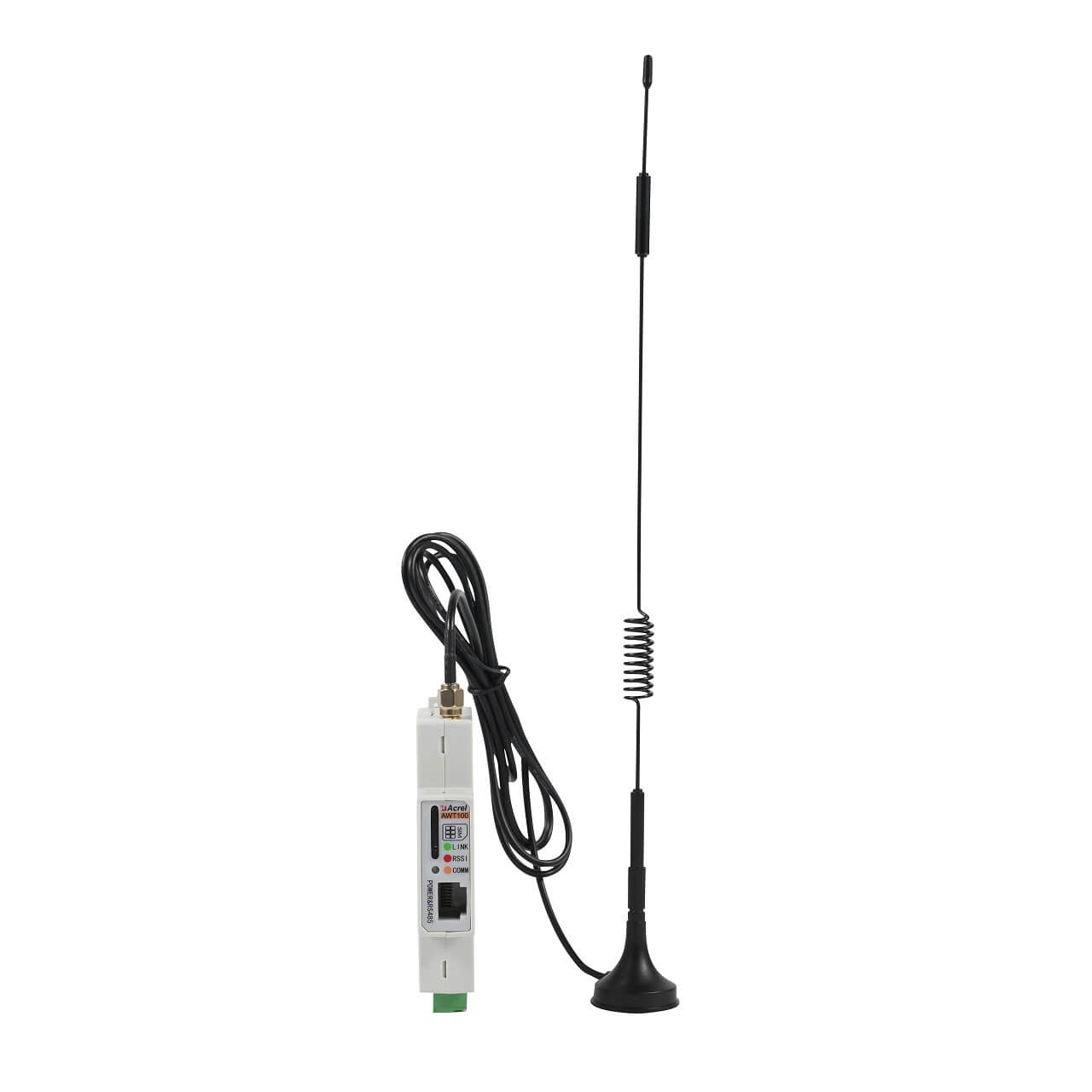
AC incoming and outgoing modules use RS485/Modbus RTU communications. MQTT or SNMP requirements need a separately verified gateway, register mapping, and receiving-system test. Decide which party owns those interfaces before the EPC handover.
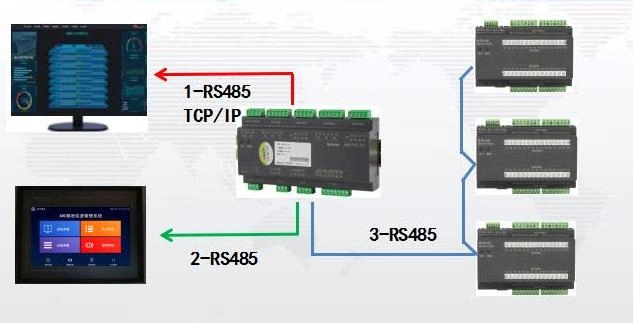
For Saudi Arabia and UAE projects, allow access to terminals, sensors, and module mounting positions. For Middle East AI data center power monitoring, expansion plans must include measurement channels and communications capacity as well as cabinet space. A spare breaker way without monitoring leaves a visibility gap when future racks are connected.
Deploying AC and DC Monitoring Across RPPs
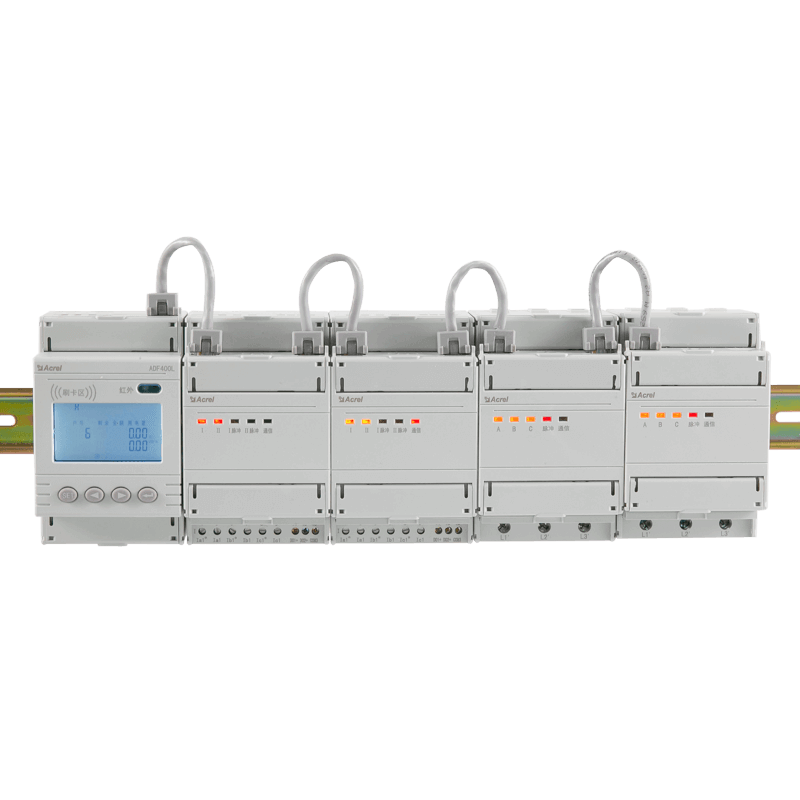
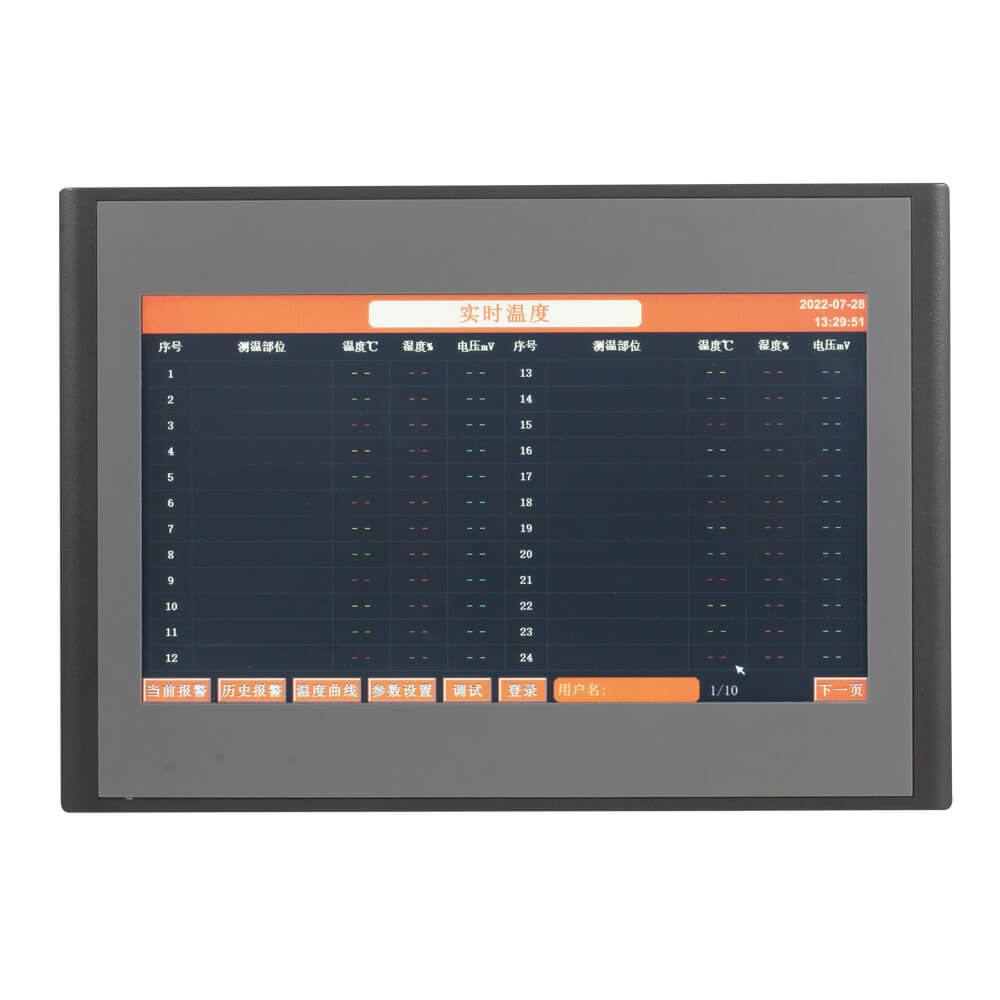
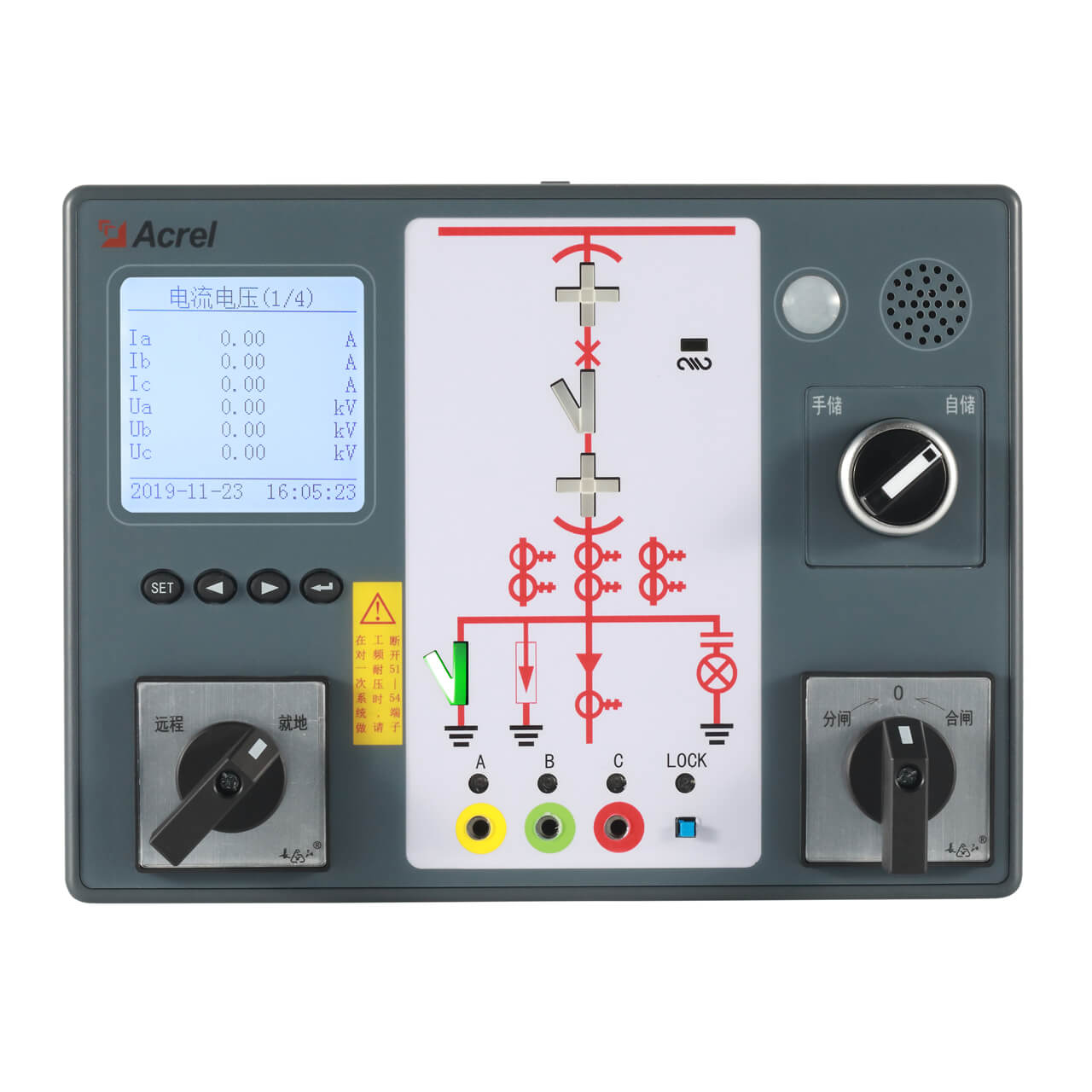
Acrel’s AMC100 multi-circuit power monitoring solution covers AC and DC distribution. Our sensors, meters, and touch screen work with incoming and outgoing modules selected for the power architecture. The configured system reaches up to 192 outgoing circuits. Check the module count before using that ceiling.
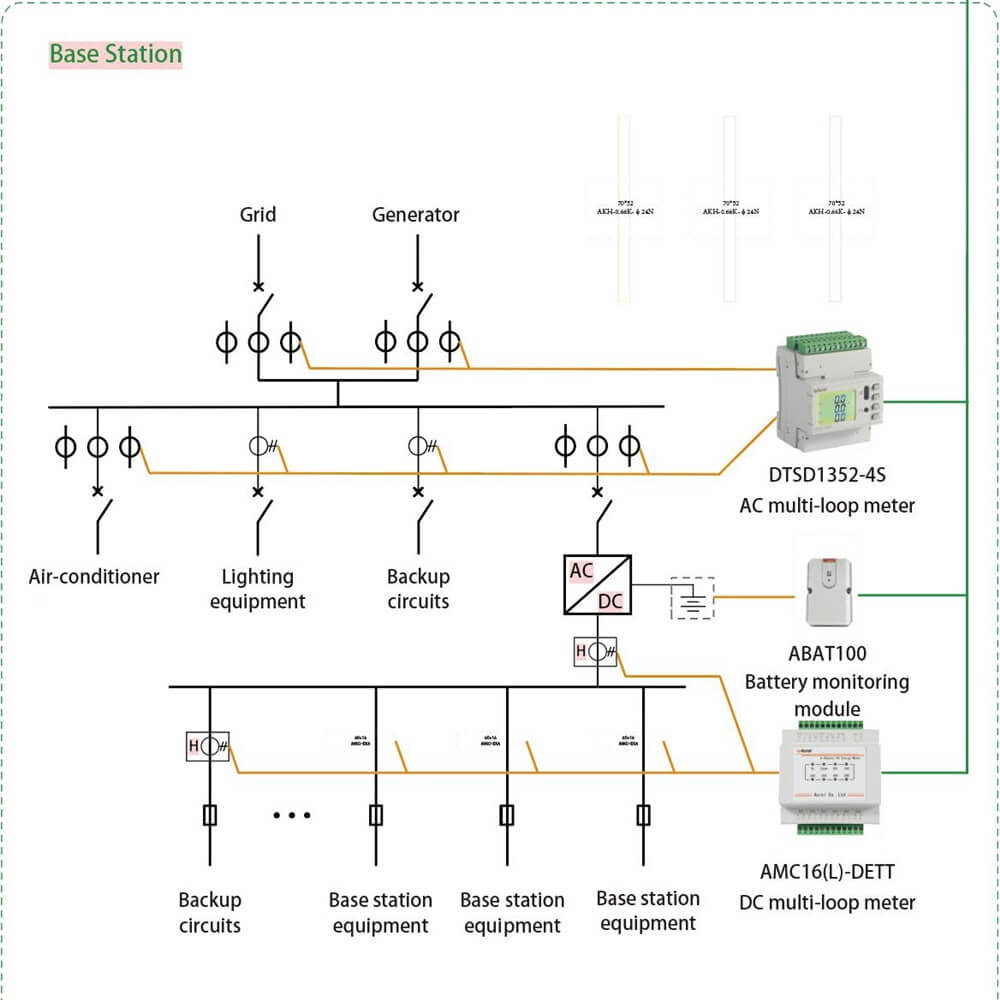
For AC data center RPP power monitoring, follow the A+B feeders to their incoming measurement points. Pair each outgoing module with branch sensing and switch connections. Bring identified readings into the local display and supervisory system for data center power monitoring. A DC circuit needs its corresponding DC modules. Specify its measurements separately from AC harmonic functions.
On the panel drawing, follow the incoming feeders through the outgoing ways to their sensors and modules. Find the display connection. Check equipment clearances before assembly approval.
Using RPP Measurements for Alarms and Rack Expansion
At shift handover, review unresolved alarms beside the list of branches due for change. AMC100 thresholds are configurable for each measurement channel. Current and historical alarms remain available; an incoming or outgoing overload alarm can include the associated measured current. Compare that value with the circuit’s operating limit.
After a breaker opens, compare its circuit loading history with the event record. Did the incoming power-quality readings also change? Harmonics are a reason to investigate. The readings alone cannot diagnose the trip or prevent another one. Route corrective work through the electrical engineering team.
Before connecting another GPU rack in a Middle East data center, compare its proposed demand with the assigned branch and approved A+B operating conditions. Preserve that decision with the updated circuit schedule. Record the connection decision alongside its Data Center RPP Power Monitoring readings for handover.
Installing and Commissioning RPP Monitoring
RPP monitoring installation in new and existing panels
Before a panel is fabricated, mark CT locations, cable routes, terminal access, and point names on its drawings. On an existing panel, inspect mounting space. Agree the isolation plan and work window with the site team. Follow approved electrical procedures for sensor and wiring work.
Commissioning checks for branch monitoring and DCIM
Outgoing CT ratios and circuit names are configurable in AMC100. During data center RPP monitoring commissioning, verify every CT ratio, phase assignment, circuit identity, and configured alarm. Then confirm that the same point arrives correctly at DCIM. Test the platform’s indication of communications loss rather than assuming a stale value will be obvious.
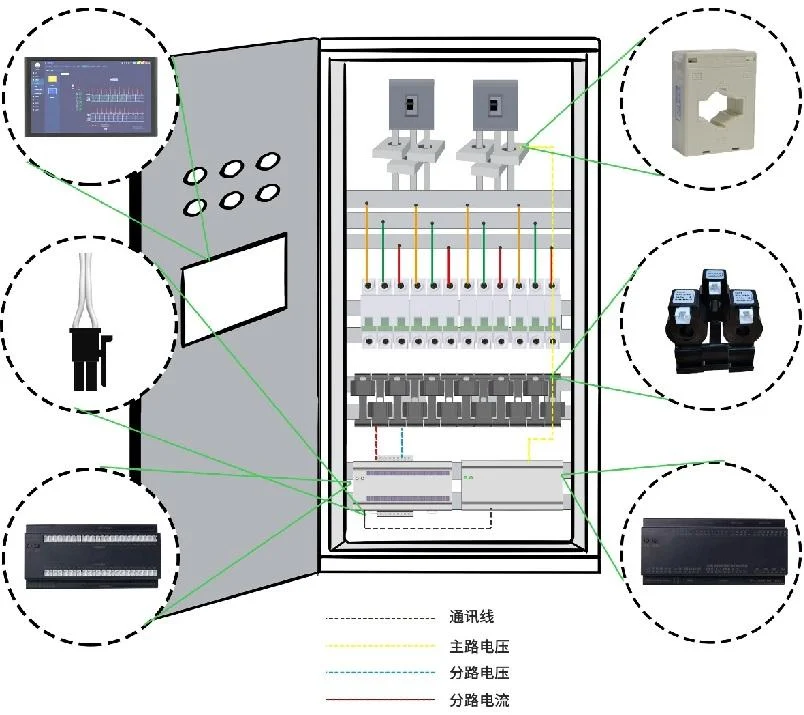
For phased expansion, list tested circuits separately from reserved ways. Hand over the accepted point list, wiring records, alarm settings, and gateway responsibilities together.
A Supercomputing Reference and an Illustrative RPP Configuration
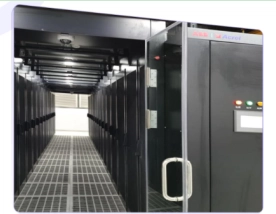
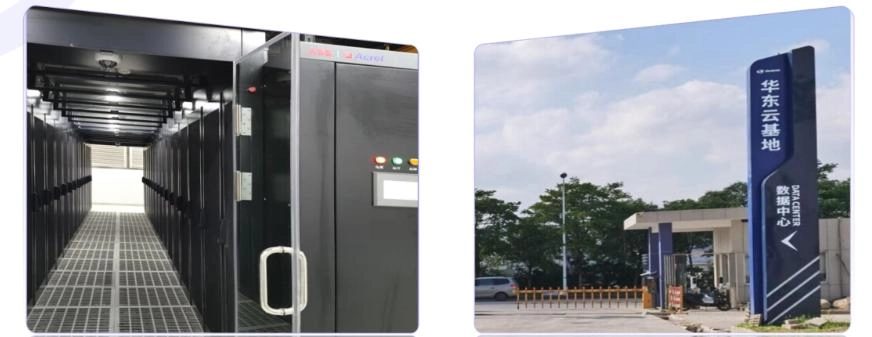
Kunshan supercomputing center is a precision distribution monitoring application reference. Detailed site module counts and measured operational improvements are not available here, so no savings or uptime result is attributed to that installation.
For a separate design illustration, consider an AC RPP with 48 outgoing monitoring ways. An AMC100-FAK48 provides electrical readings and switch status for that branch count, alongside incoming monitoring selected for the feeder arrangement. This is an illustrative configuration, not the Kunshan as-built design.
The acceptance demonstration should trace a selected branch from breaker to display, confirm its CT ratio, and prove that its configured alarm reaches the intended operator. Those witnessed results establish what was commissioned; a capacity figure alone does not.
Lessons for Middle East AI Data Center Projects
Middle East AI data center power monitoring depends on a circuit register that stays current after handover. Saudi Arabia’s Project Transcendence and NEOM initiatives, together with G42 and Khazna expansion plans in the UAE, provide regional infrastructure context. They are not AMC100 installation references.
Carry three lessons into similar projects: count monitoring quantities from panel schedules; keep AC and DC specifications distinct; and make circuit naming part of acceptance. The reusable outcome is a traceable measurement and alarm path. Reliability depends on what follows the reading: the installation, its protection design, and the operators’ response.
Data Center RPP Power Monitoring FAQ
Data center RPP power monitoring matches incoming feeds and outgoing circuits with their panel schedule. AC incoming monitoring can also include harmonics and three-phase imbalance.
Yes. Precision power monitoring can cover AC or DC distribution when the corresponding modules and sensors are selected. Verify each configuration’s measurements and ratings separately.
RPP power monitoring helps investigate loading and power-quality conditions. Protection settings and corrective engineering still determine how trip risks are addressed.
Specify RS485/Modbus RTU for AMC100 AC modules. A platform requiring MQTT or SNMP needs a verified upstream gateway.
For AI data center power monitoring, verify circuit identity, CT ratio, phase assignment, displayed readings, alarm routing, and communications-loss indication. Record which circuits were tested.
Discuss Your AI Distribution Panel Monitoring Requirements
For an AI data center RPP power monitoring project, share the single-line diagram, panel schedule, AC/DC arrangement, circuit counts, CT requirements, and DCIM interface specification. Include installation conditions and the intended expansion stages.
Review our multi-circuit energy meter range for equipment selection and AI data center solutions for the wider application context. Ask for a configuration matched to the actual panel and an agreed commissioning scope before procurement.