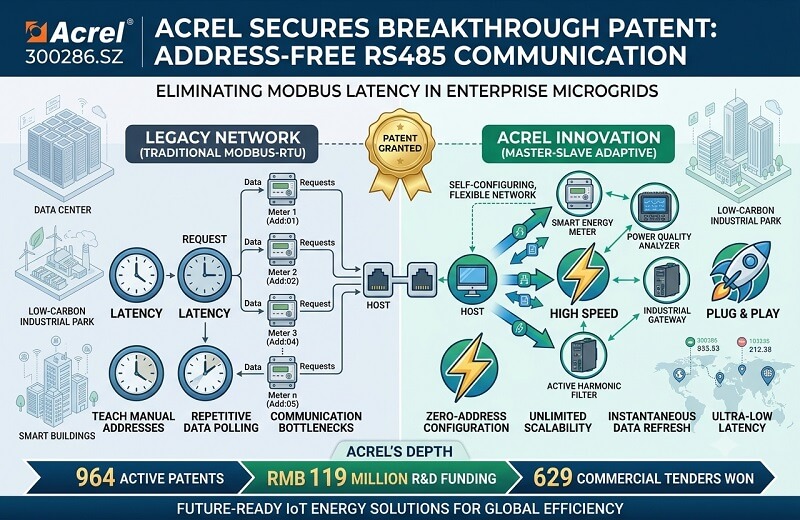
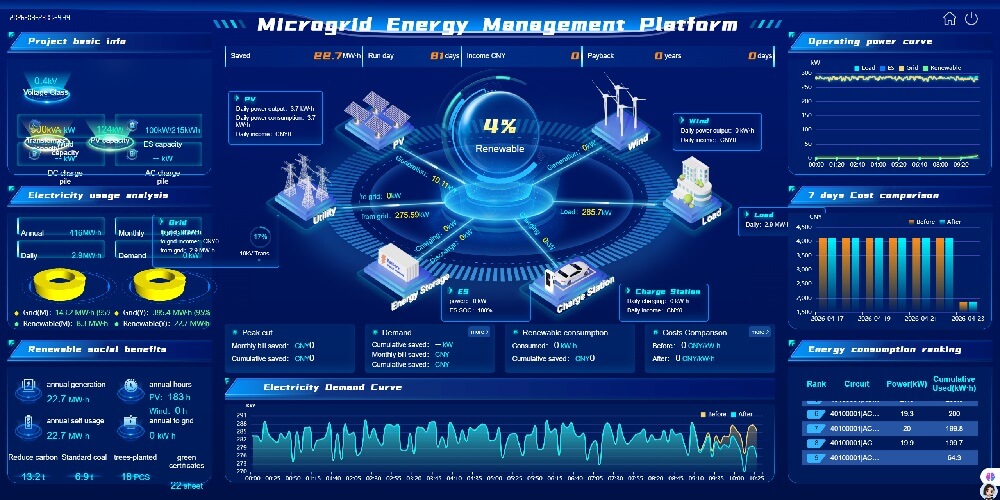
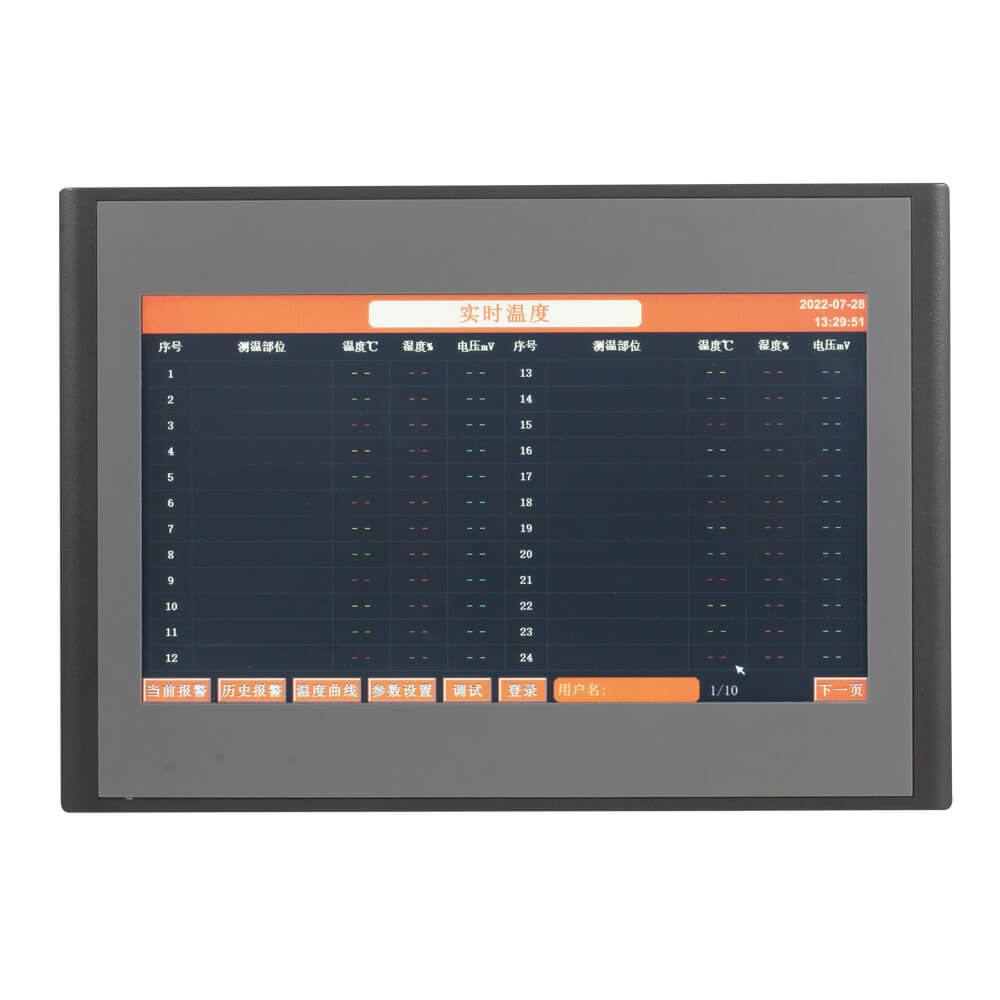
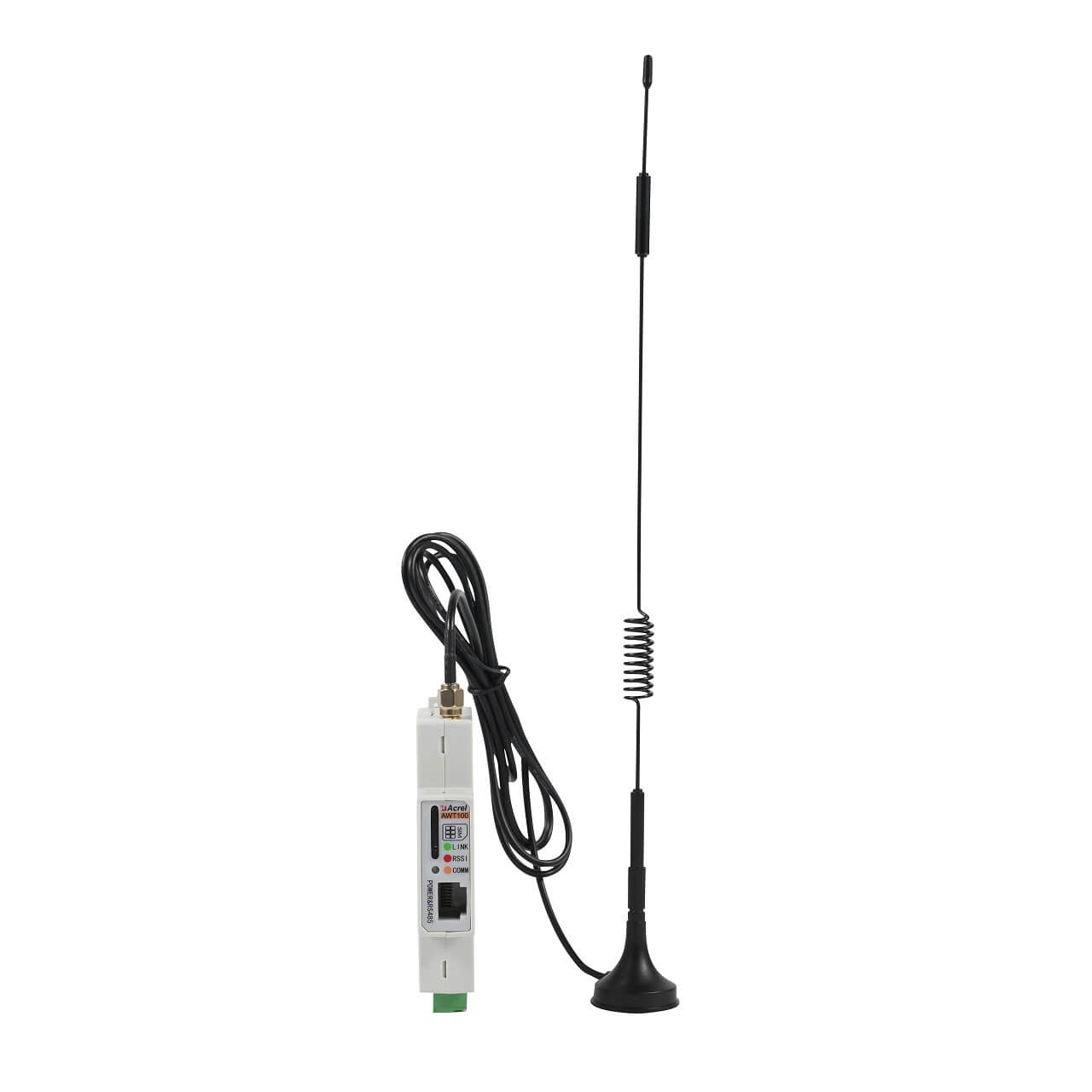
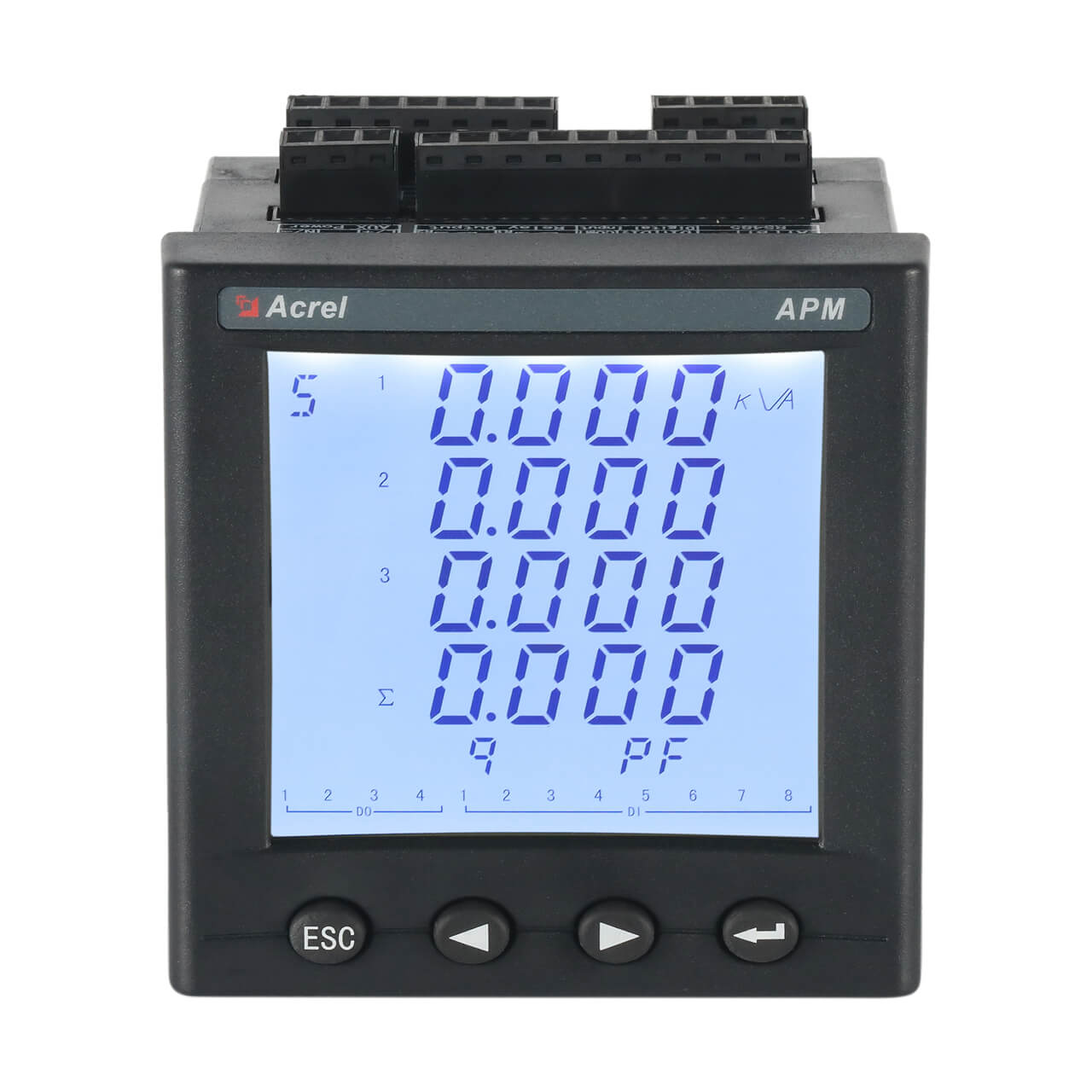
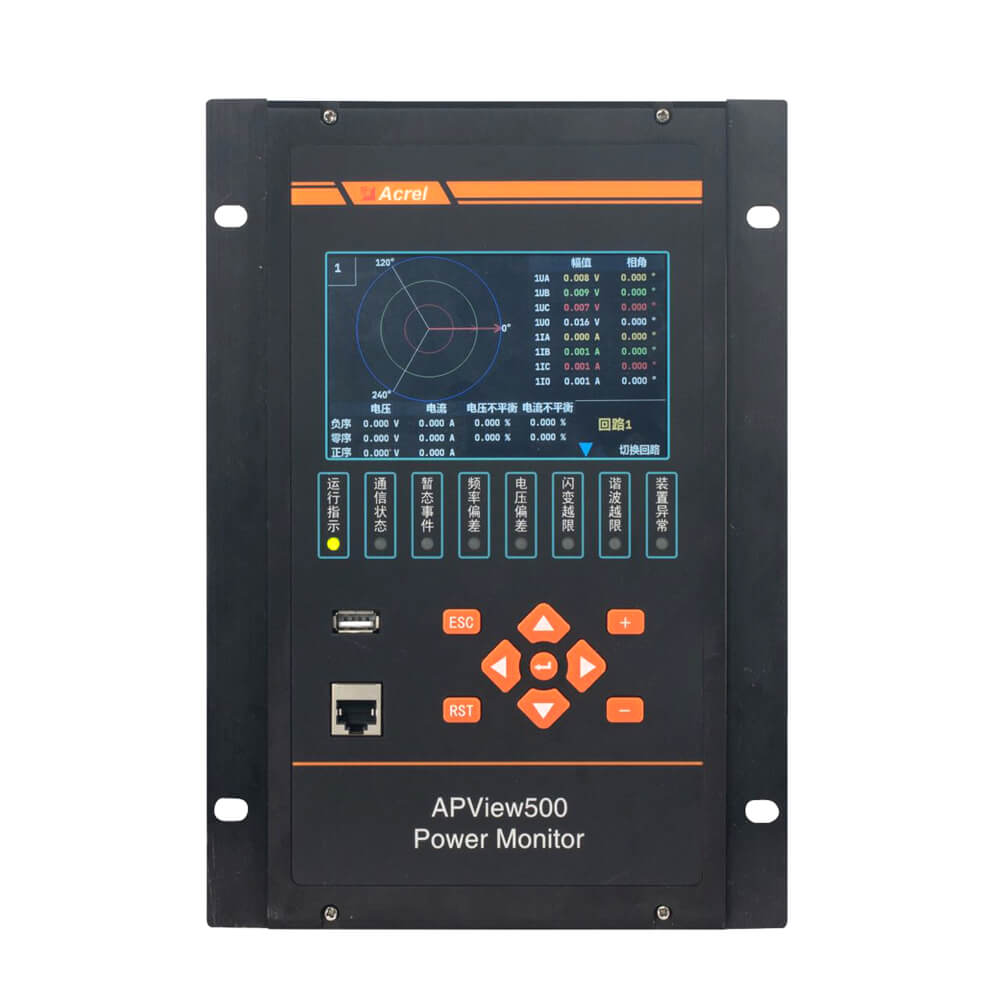
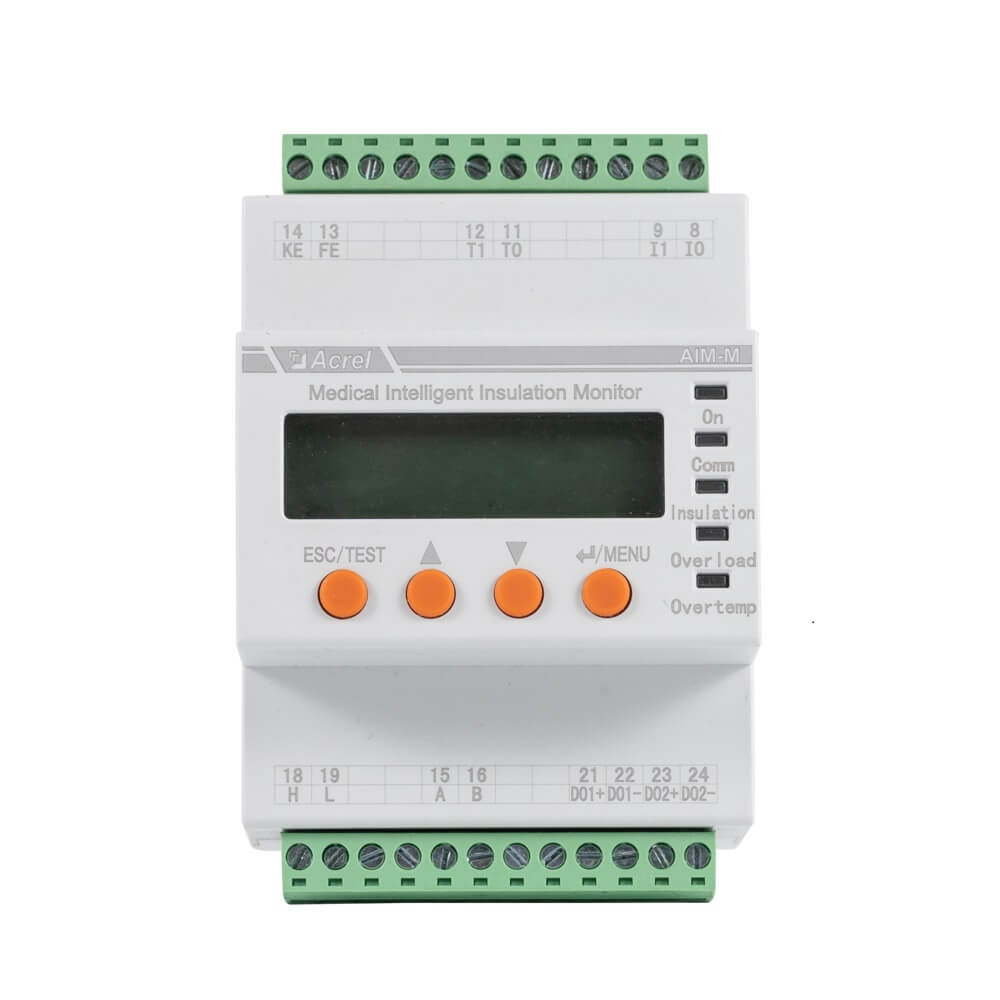
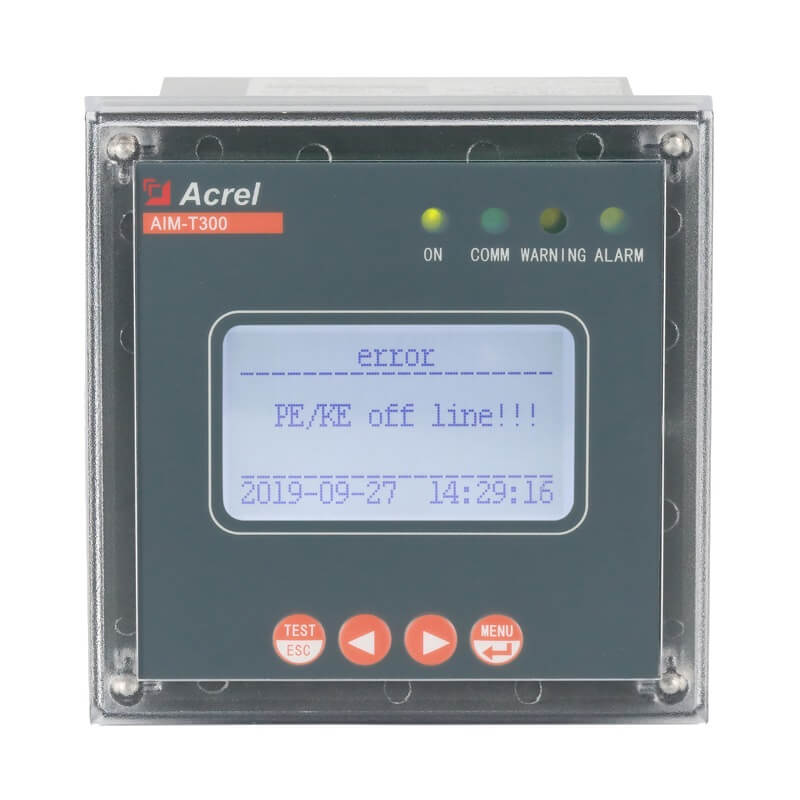
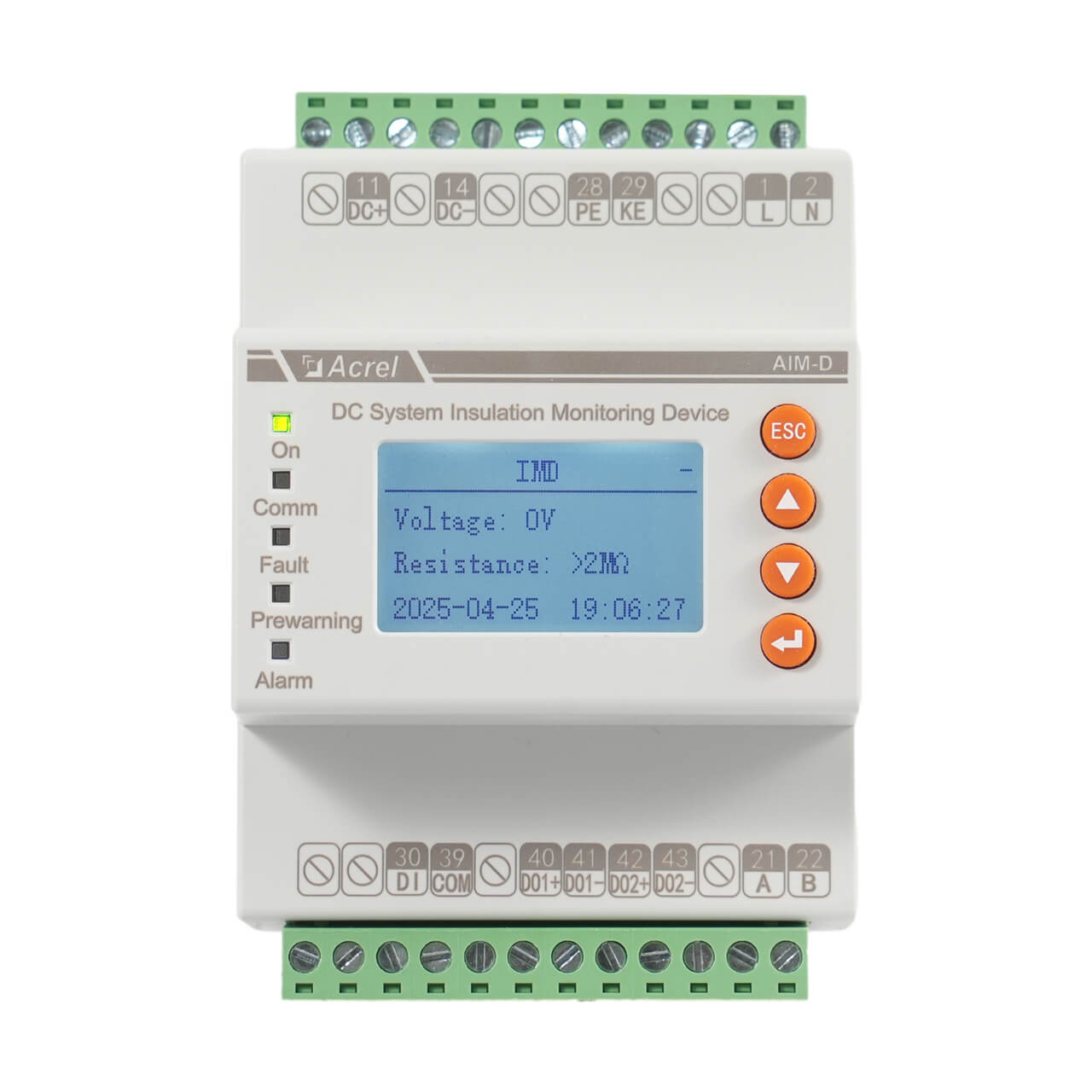
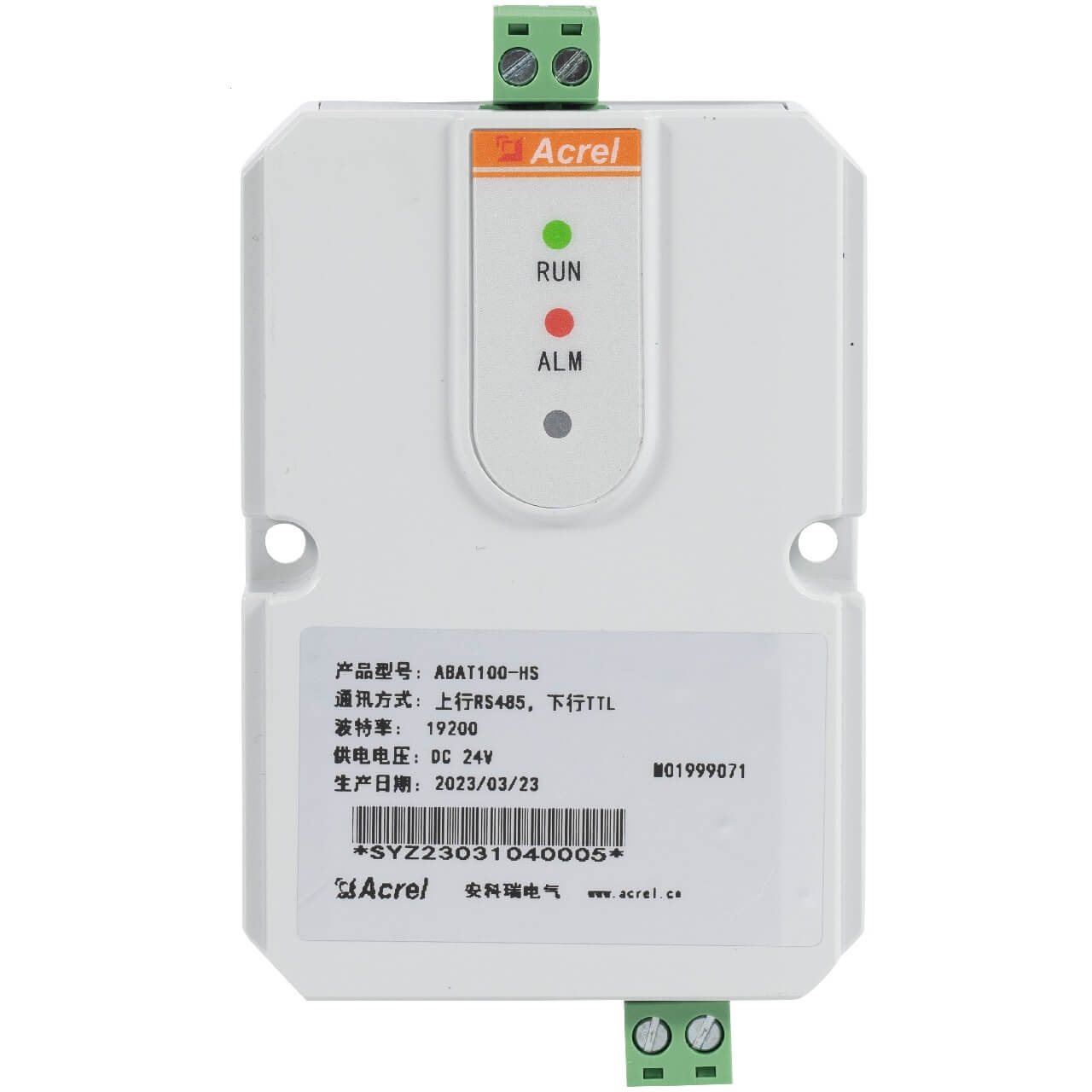
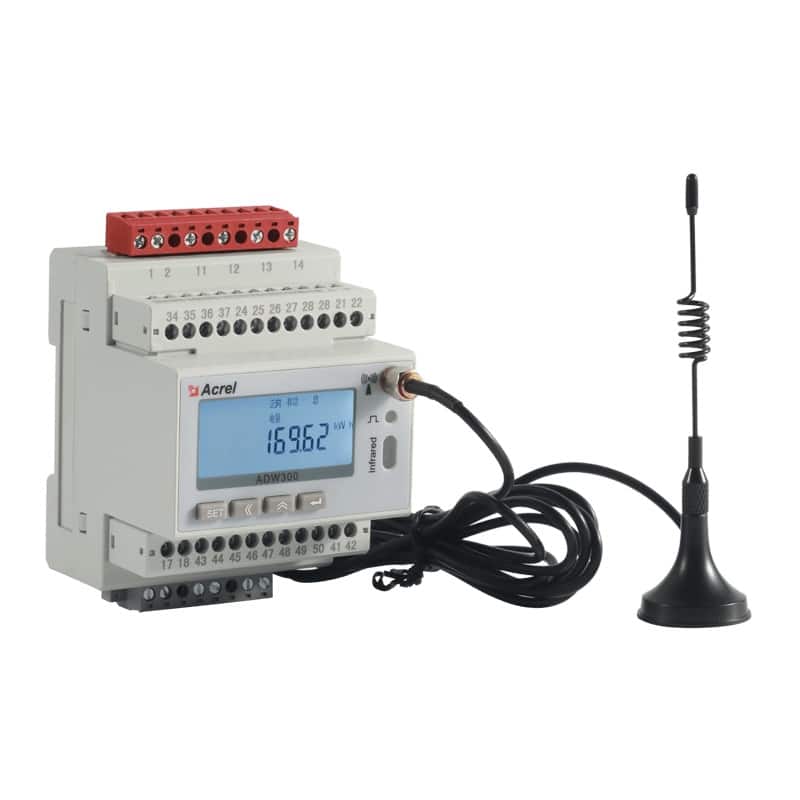
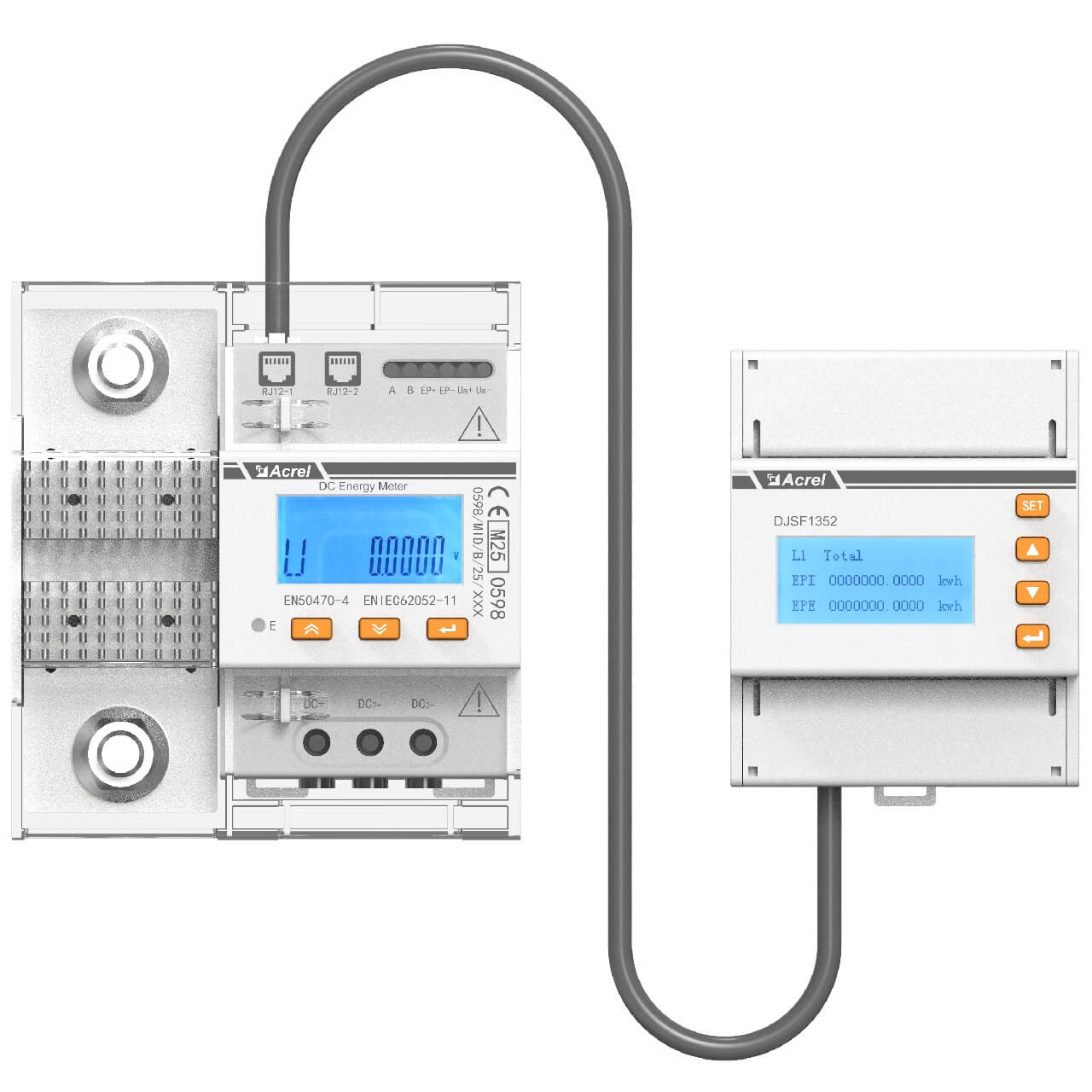
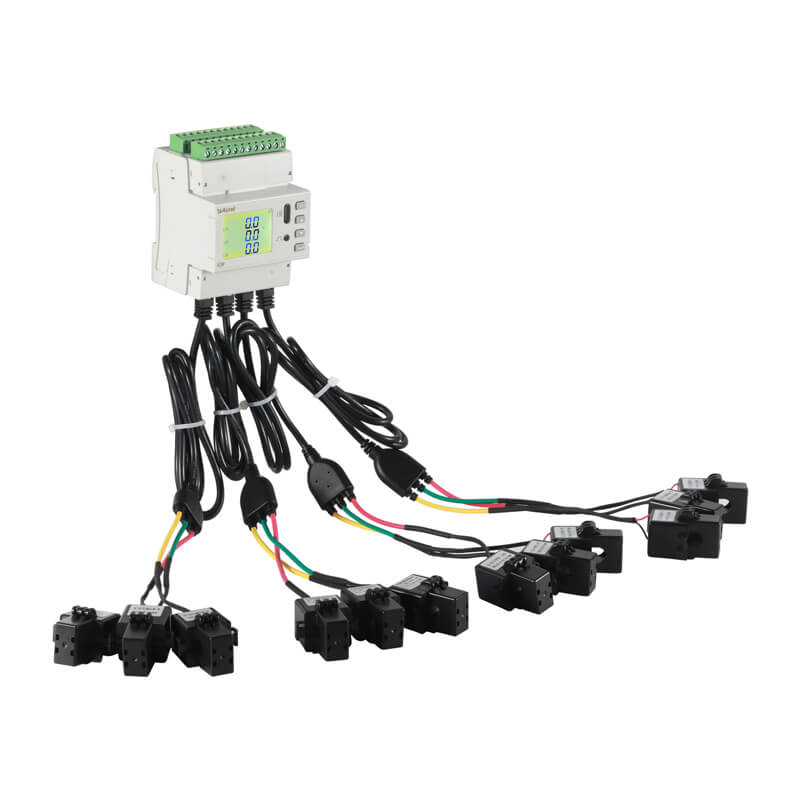
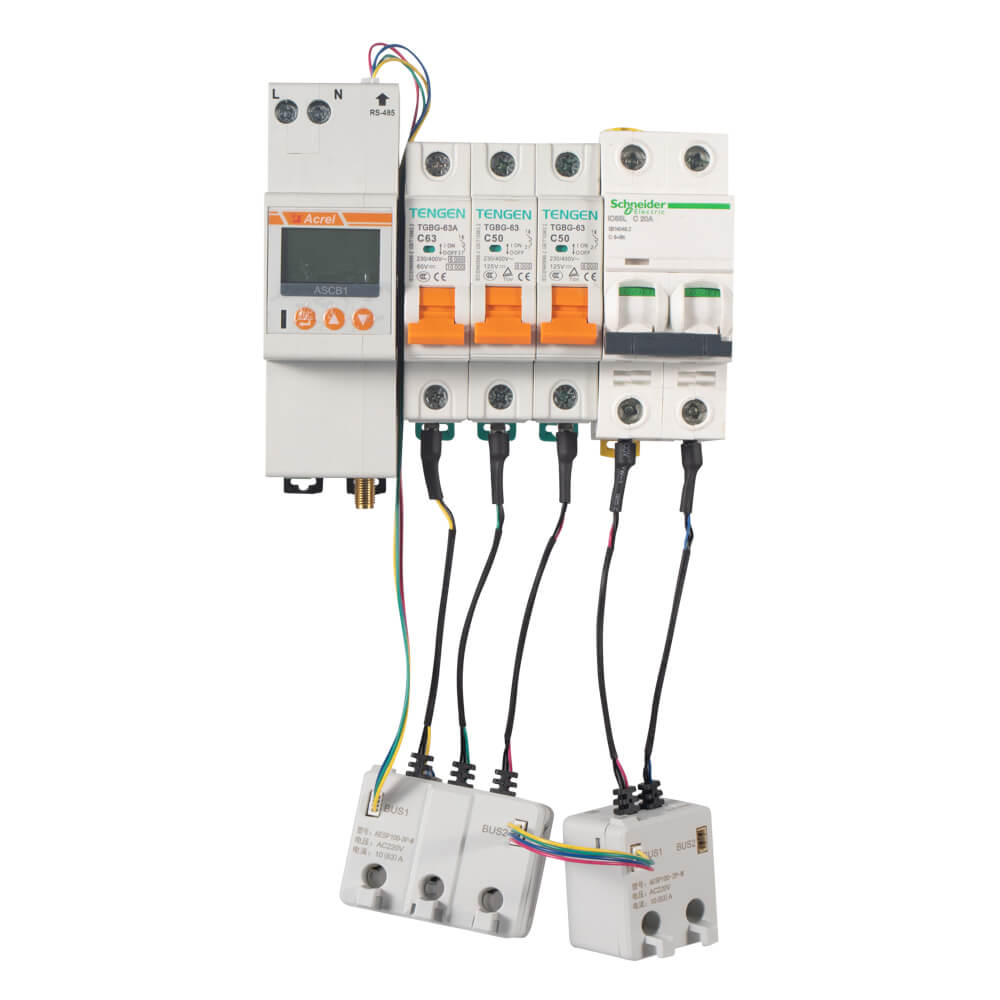

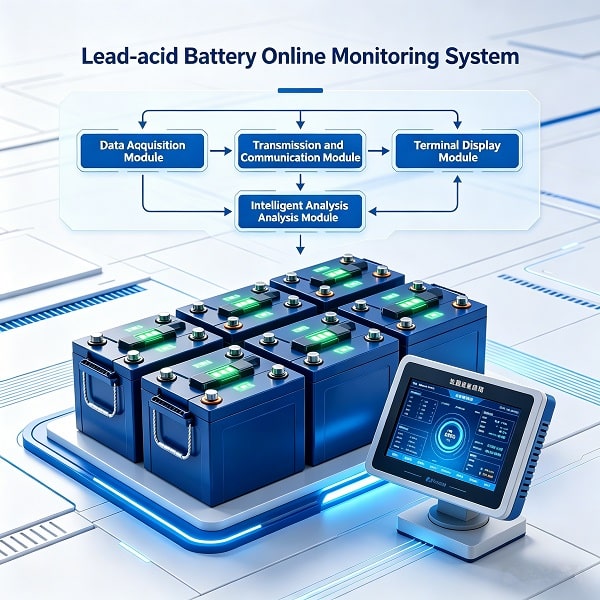
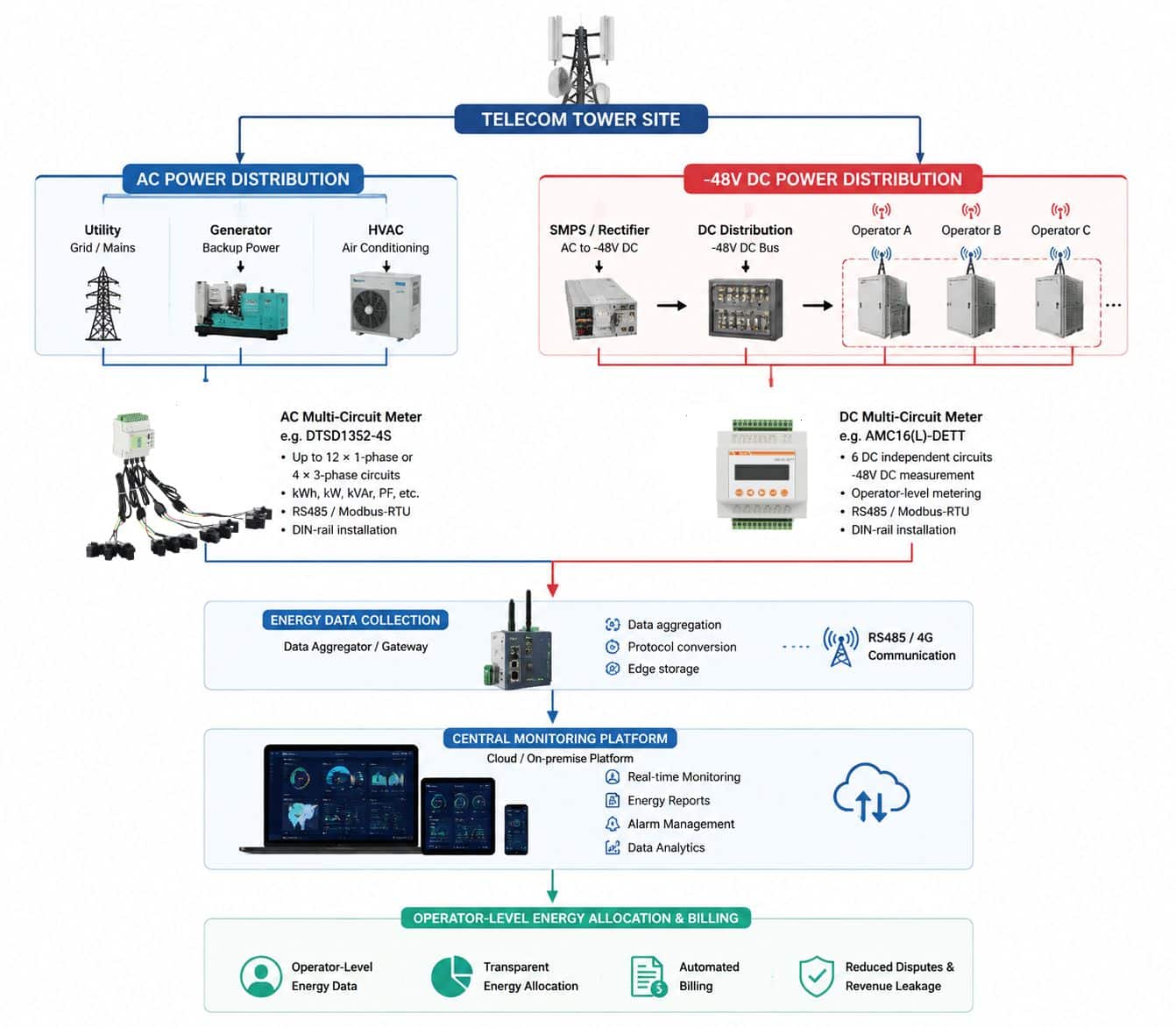
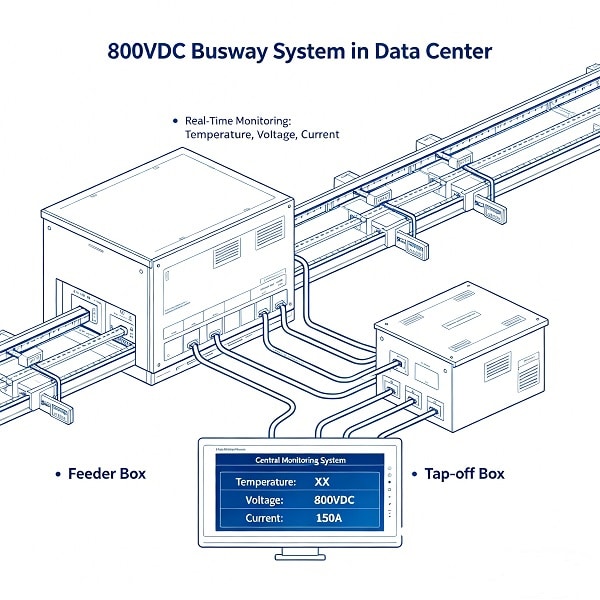
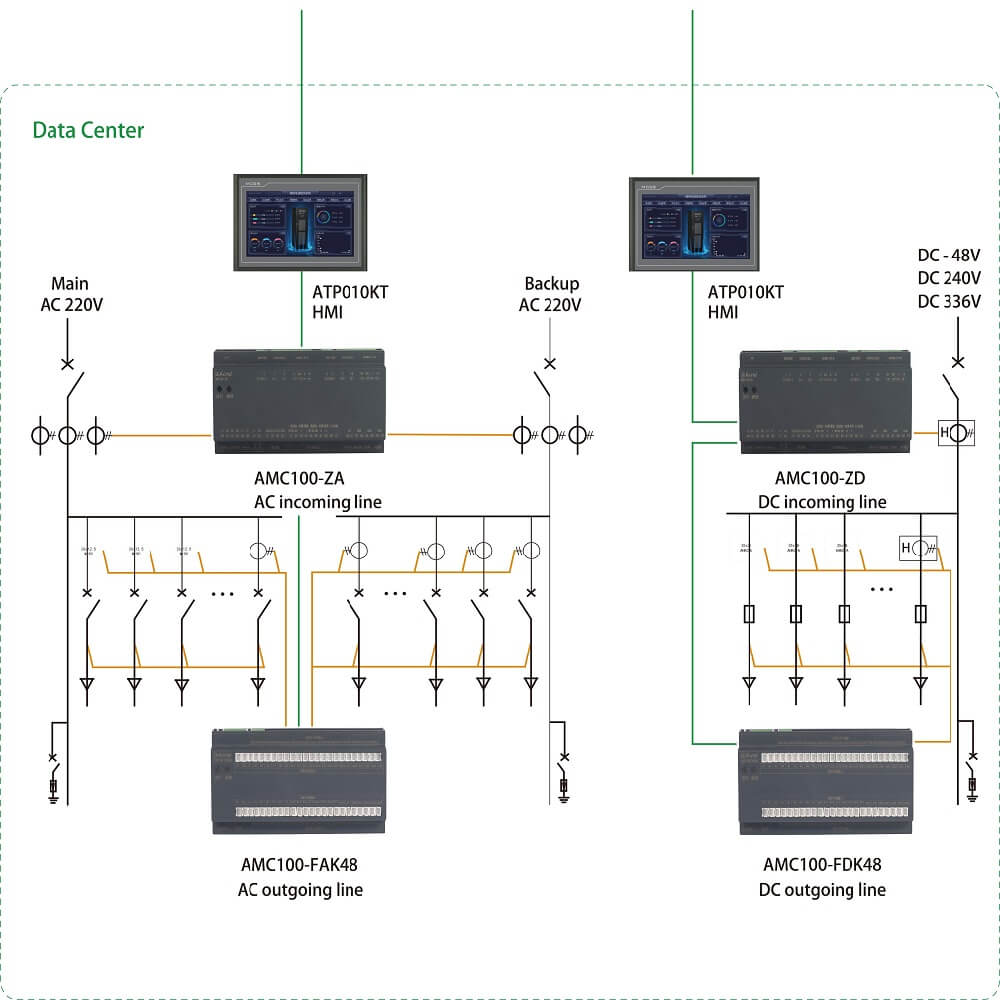
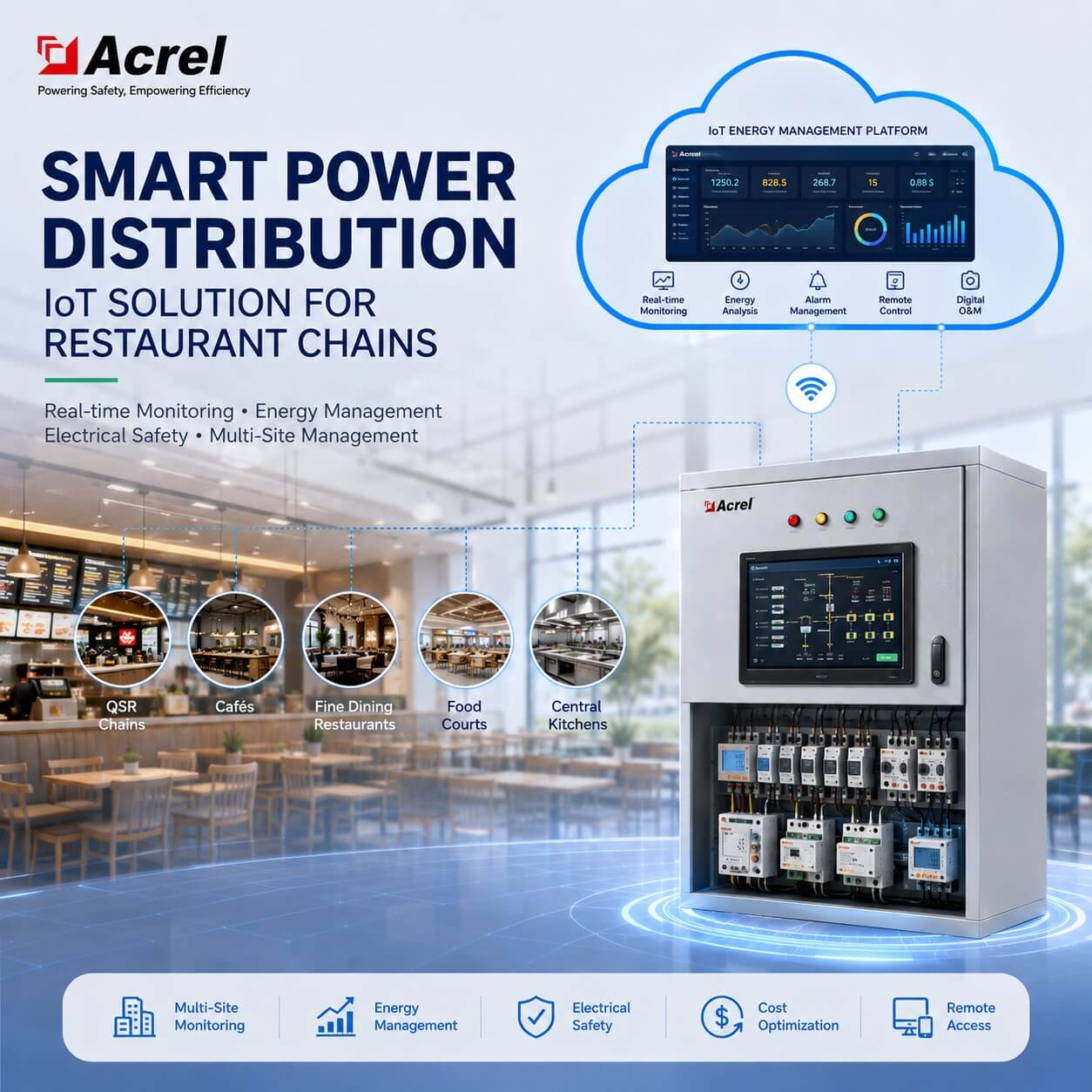
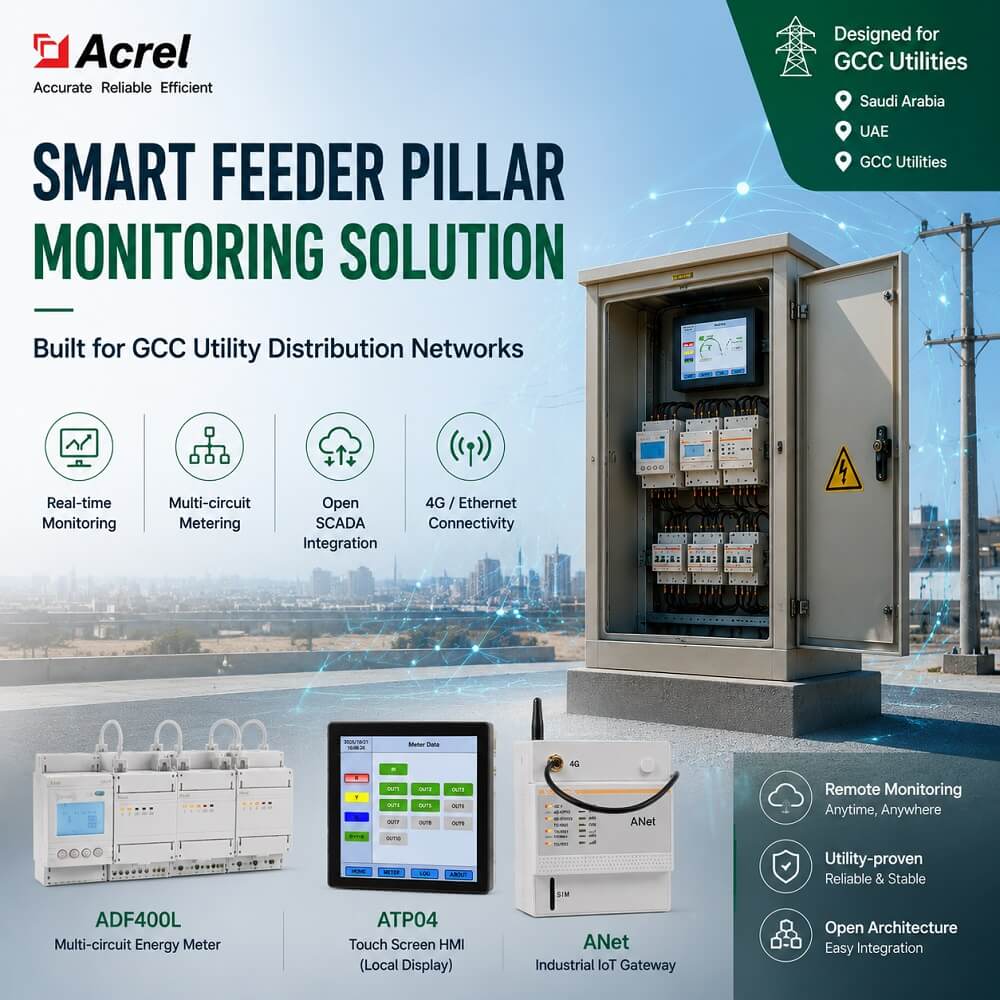
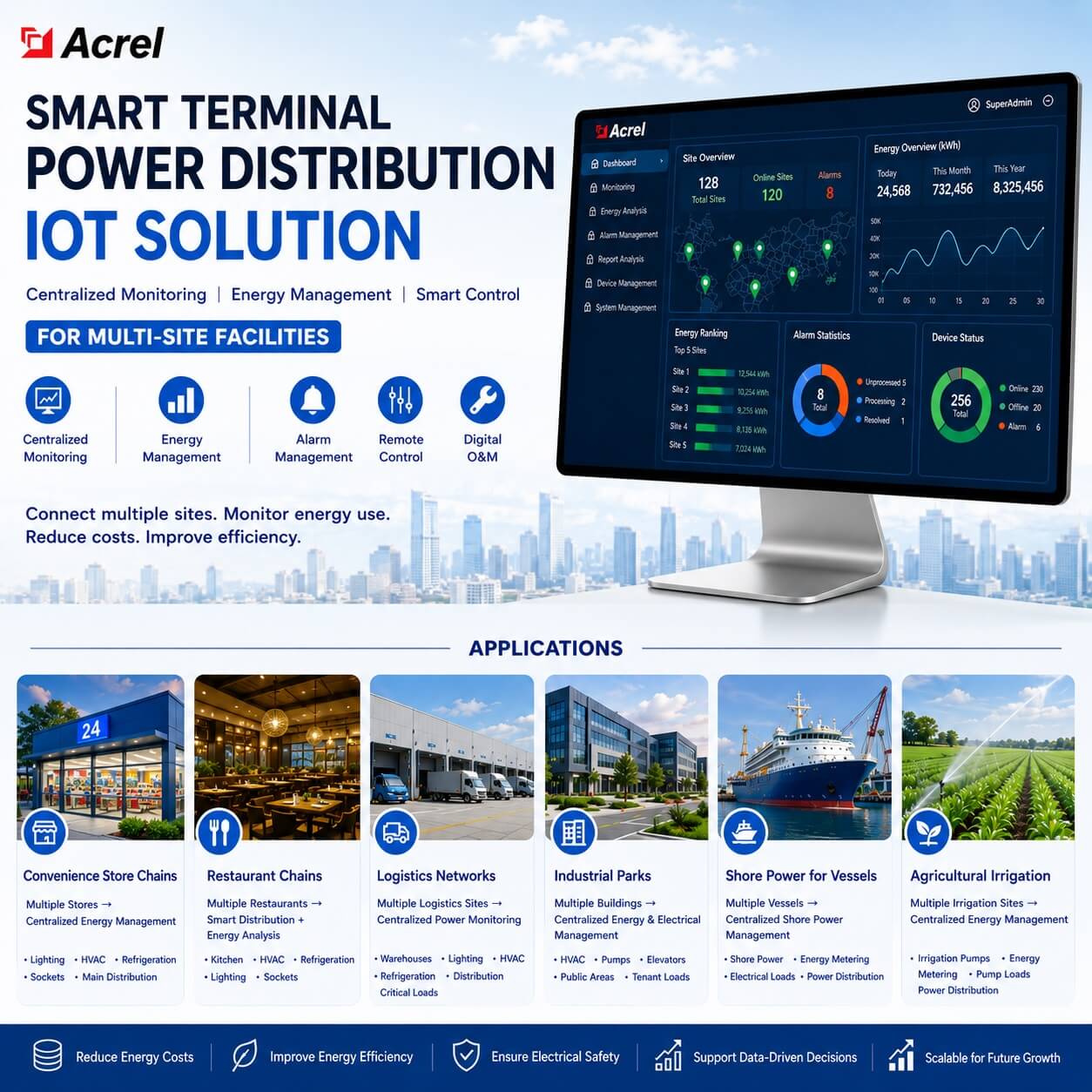
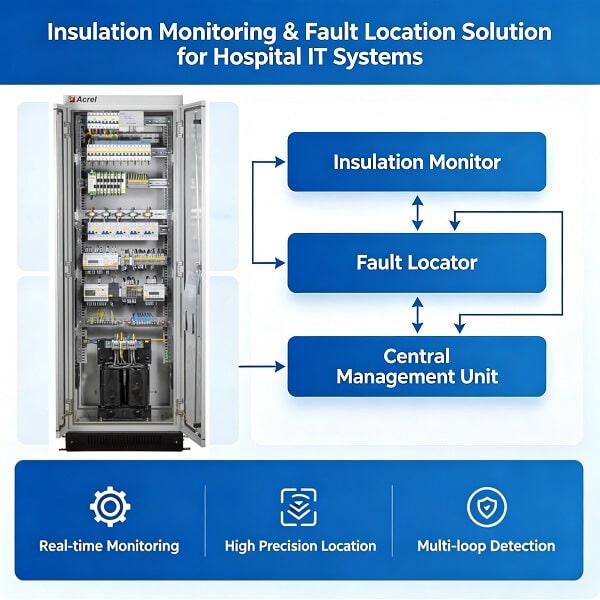
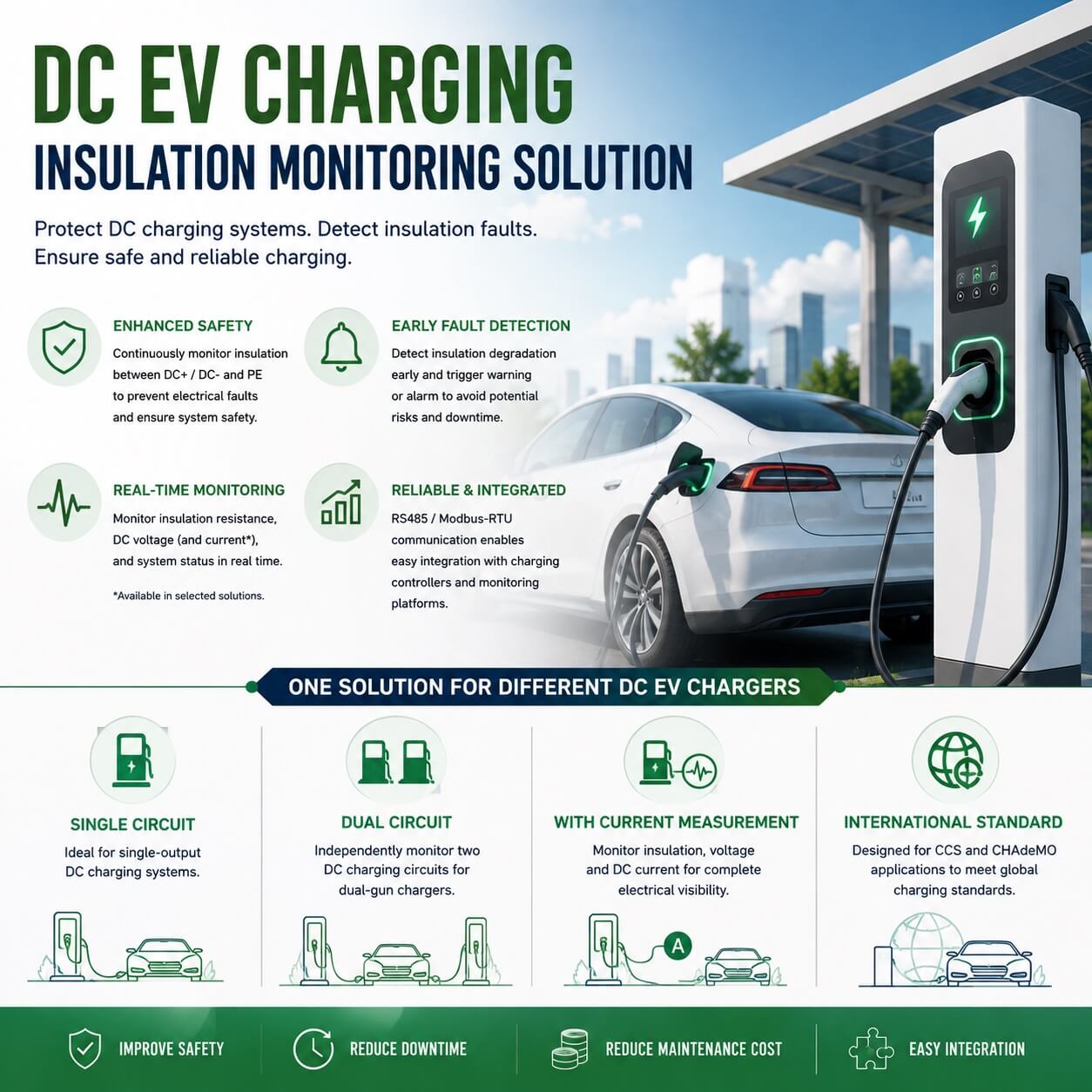
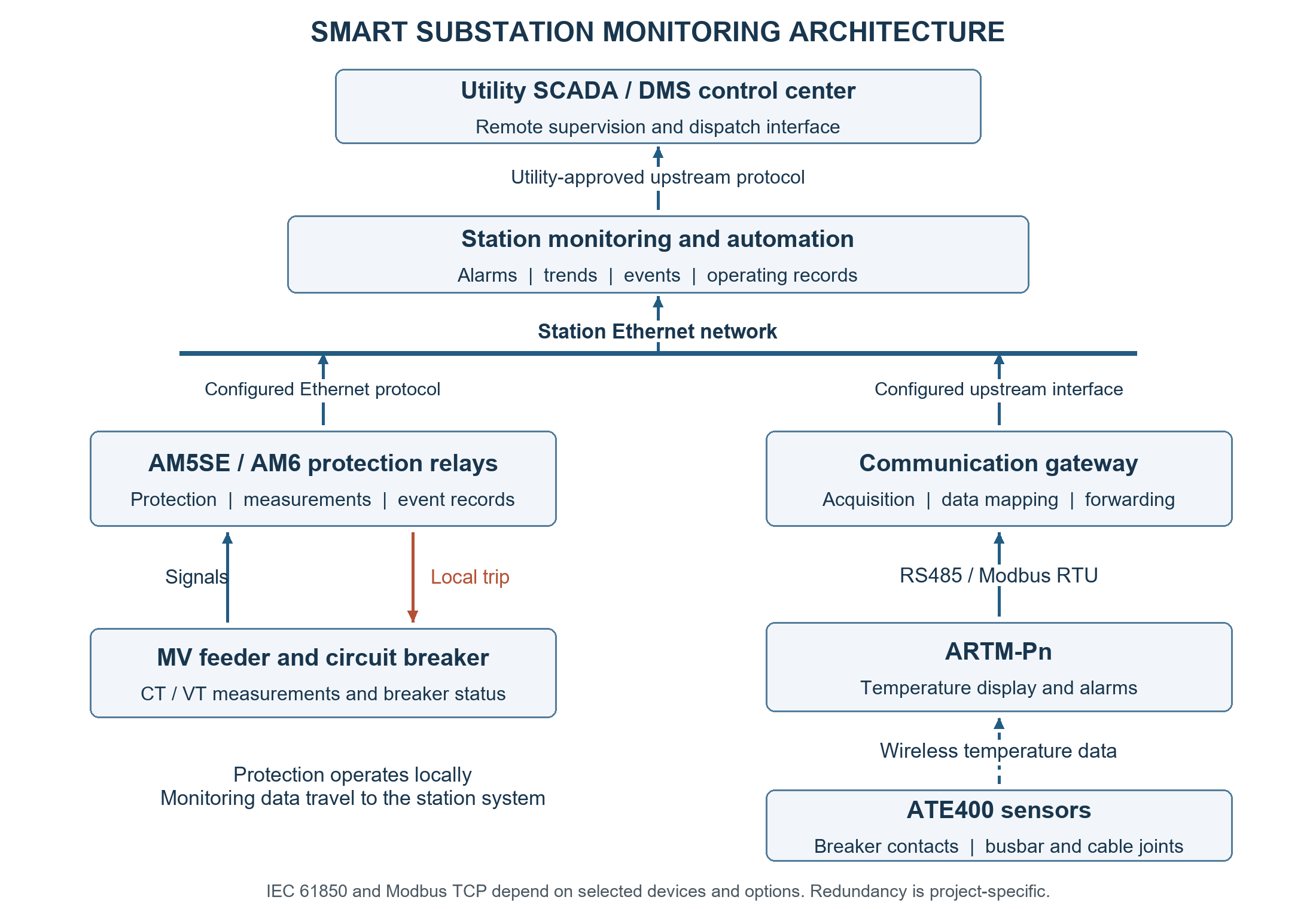
A Smart substation uses feeder protection, switchgear temperature monitoring, and operating data all within one integrated system. Smart substation monitoring is increasingly relevant to national utilities and distribution grid operators in Saudi Arabia, the UAE and Qatar. Acrel’s microprocessor protection relays, wireless temperature monitoring system and substation automation products are integrated into a flexible solution around the protection philosophy and connection options of individual utilities.
Grid Modernization in the Middle East
As grid connections, industrial developments and renewable energy connections to the distribution network are spreading across the Middle East, monitoring of distribution substations is becoming more and more important. While new substations are supposed to supply newly developed cities, industrial sites and power plants with consistent information, existing substations of the distribution network are to be monitored and protected reliably as well. In case of microgrids connected to the distribution network, the design of the protection and monitoring must also consider the connection to the distribution network as well as the corresponding operation mode.
SEC in Saudi Arabia, DEWA in the UAE, and Kahramaa in Qatar serve as clear examples. They represent this type of utility for projects in the Gulf region. Supplier qualification, approved vendor lists (AVL), and project specifications act as main factors. These factors affect the procurement process of Gulf utility projects. For this reason, EPC contractors need clear protection functions. They need communication interfaces. They need environmental data as well. They need all this before they can propose suitable equipment to the utility for approval. Framework purchasing also requires consistent documentation and replacement planning for later station projects.
Why Middle East Utilities Need Continuous Substation Monitoring
Feeder Protection and Supply Continuity
For feeder faults affecting many customers, selective protection and clear event logging are required. However, weak electrical connections are often exposed only under sustained loading. Local heating of breaker contacts, busbar joints, and cable connections can occur between manual inspections if they are loose or in poor condition.
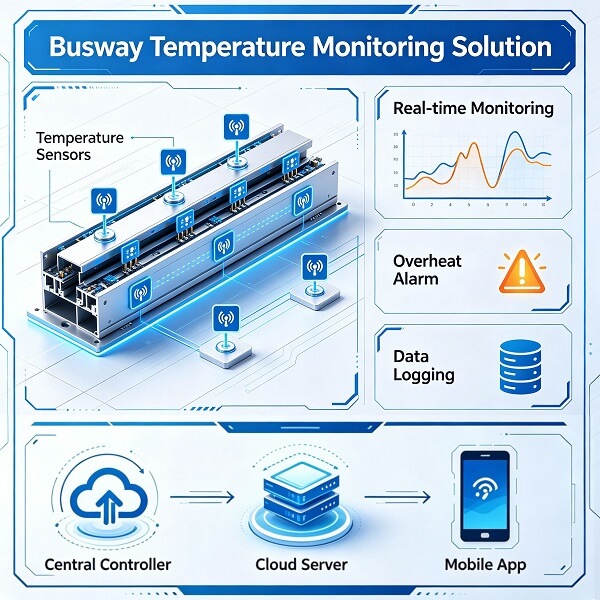
Wireless Switchgear Temperature Monitoring in Hot Climates
For substation projects in Saudi Arabia, the UAE and Qatar, ambient temperatures outside of the substation can be specified above 50°C. The designer must check the rated temperature for any given device against the cabinet temperature, taking into account any heat gain within the cabinet and any cooling that may be employed. In addition to providing operating visibility of temperature, protection relays can be configured to provide the required fault response for each circuit. Centralized monitoring allows a single maintenance individual to monitor a number of stations remotely.
The two functions address different conditions. A deteriorating joint can heat up before a feeder protection threshold is reached. Temperature trends therefore complement current measurements and protection events when engineers decide whether a connection needs investigation.
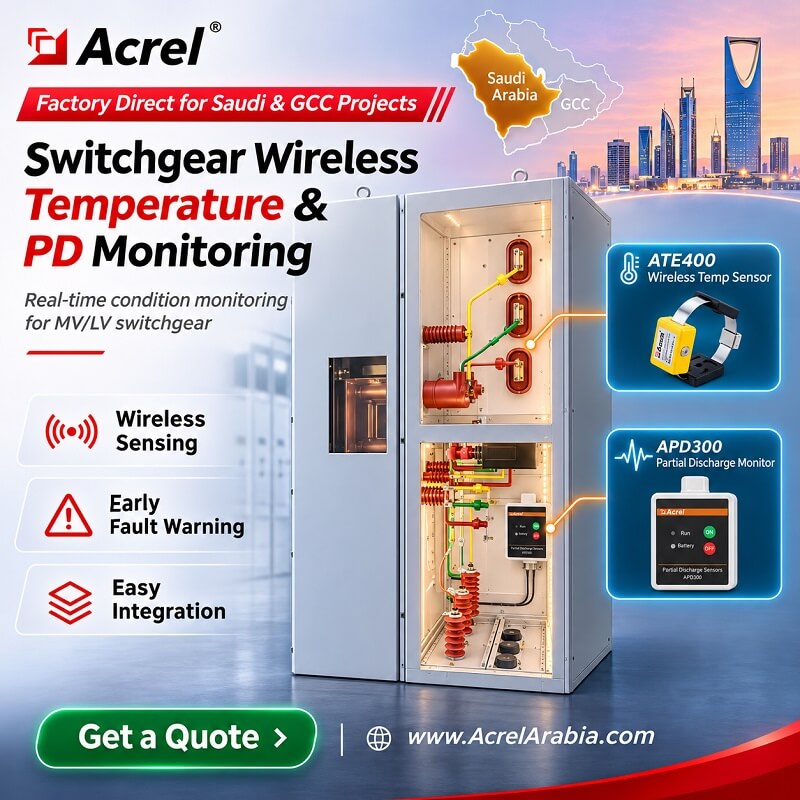
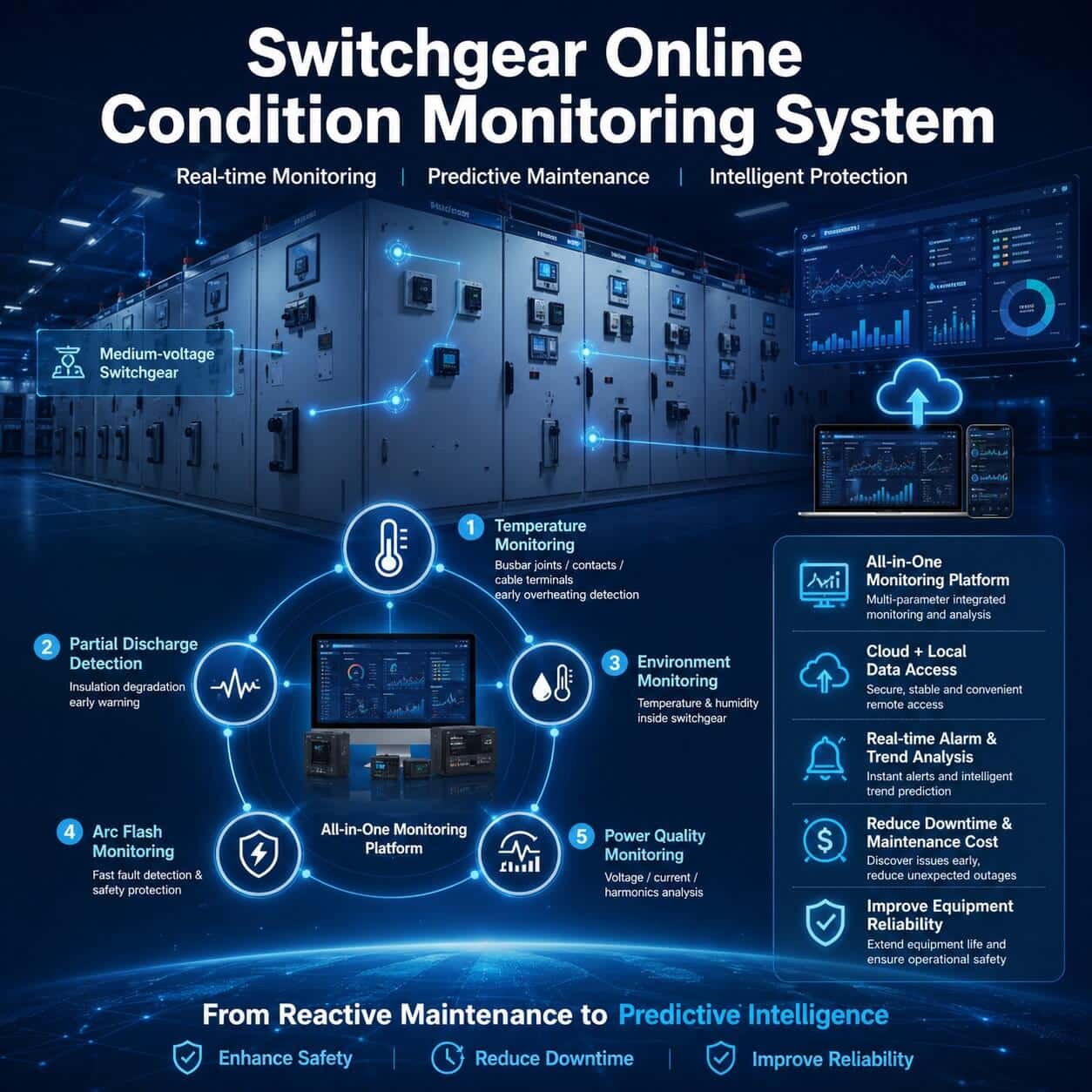
For MV and LV switchgear, substation condition monitoring helps identify abnormal temperature trends before they develop into equipment faults.
Common Challenges in Distribution Substations
Hidden Switchgear Overheating
Periodic thermography provides snapshots. Permanently installed sensors track critical connections as operating conditions change.
Incomplete Fault Information
A breaker status alone cannot explain a trip. Protection events and electrical measurements help engineers investigate the affected circuit.
Mixed Communication Interfaces
Distribution substations often contain equipment from different manufacturers and installation periods. Integration may require serial communication, Ethernet interfaces, protocol gateways,and consistent SCADA point mapping. Engineers should verify each device’s supported protocols,available data points, and compatibility with the existing station automation system before implementation.
Reliability And Qualification Requirements
Environmental suitability, auxiliary power, communication redundancy and utility acceptance must be resolved during design and commissioning.
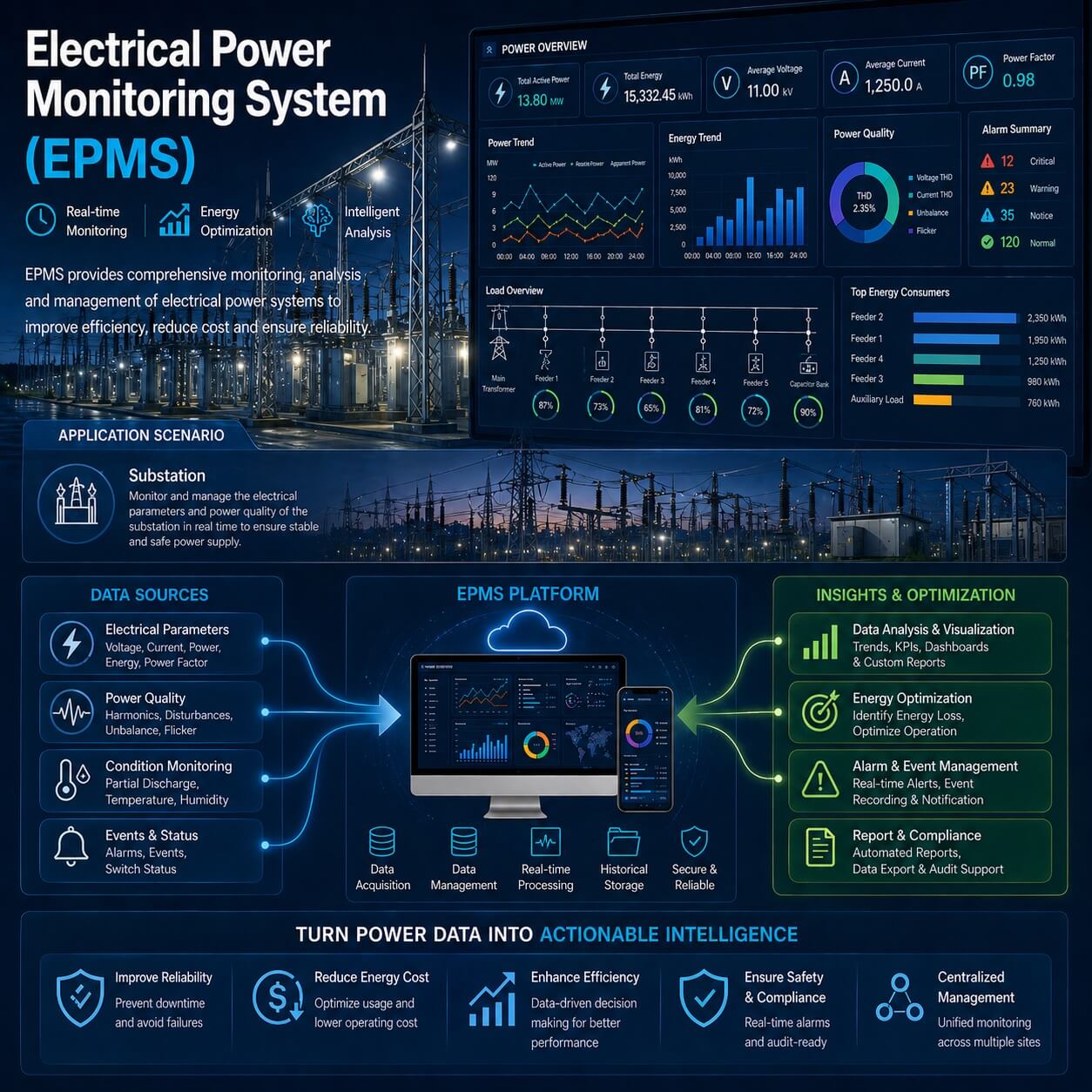
Recommended Smart Substation Monitoring Architecture
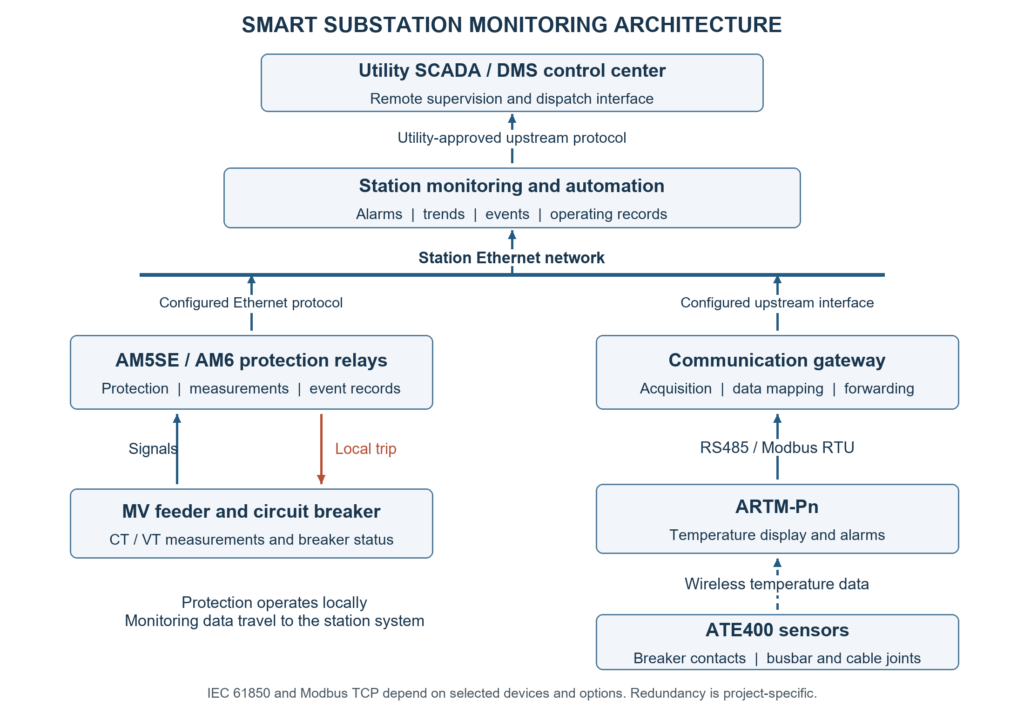
Field Protection and Wireless Temperature Acquisition
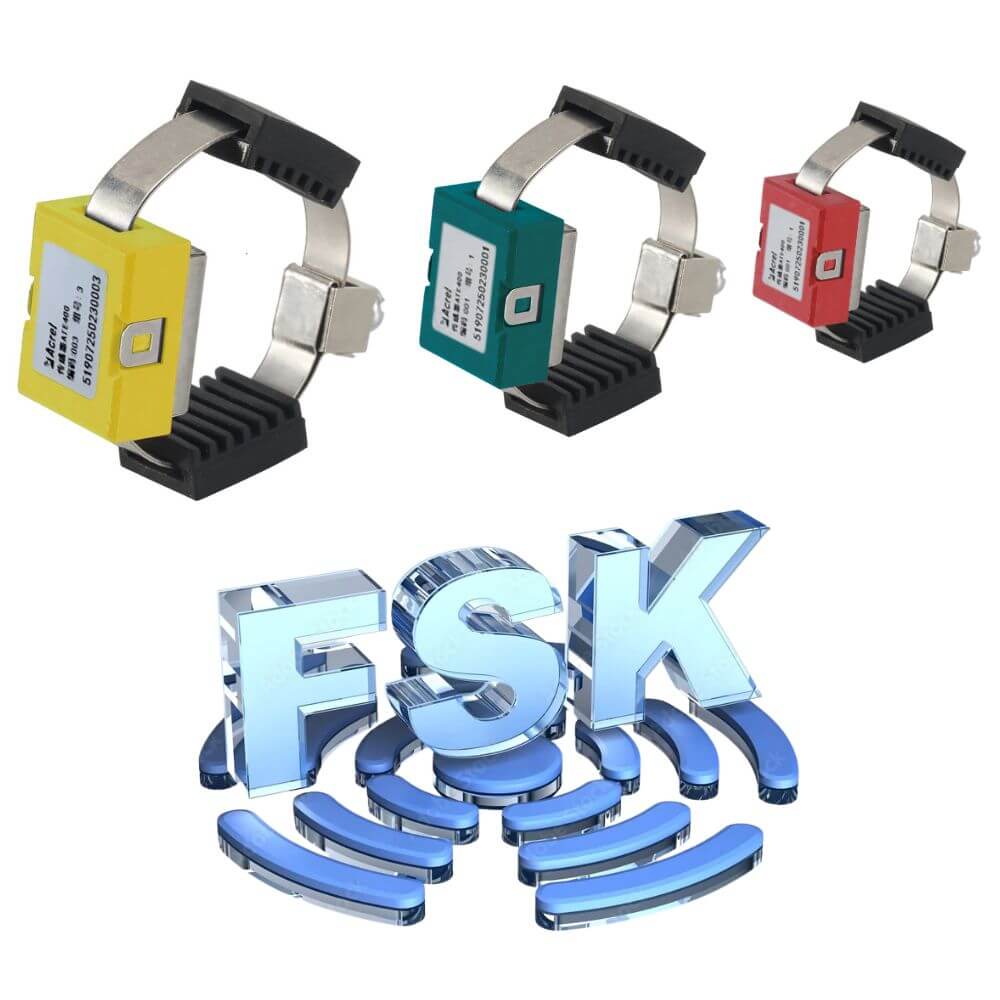
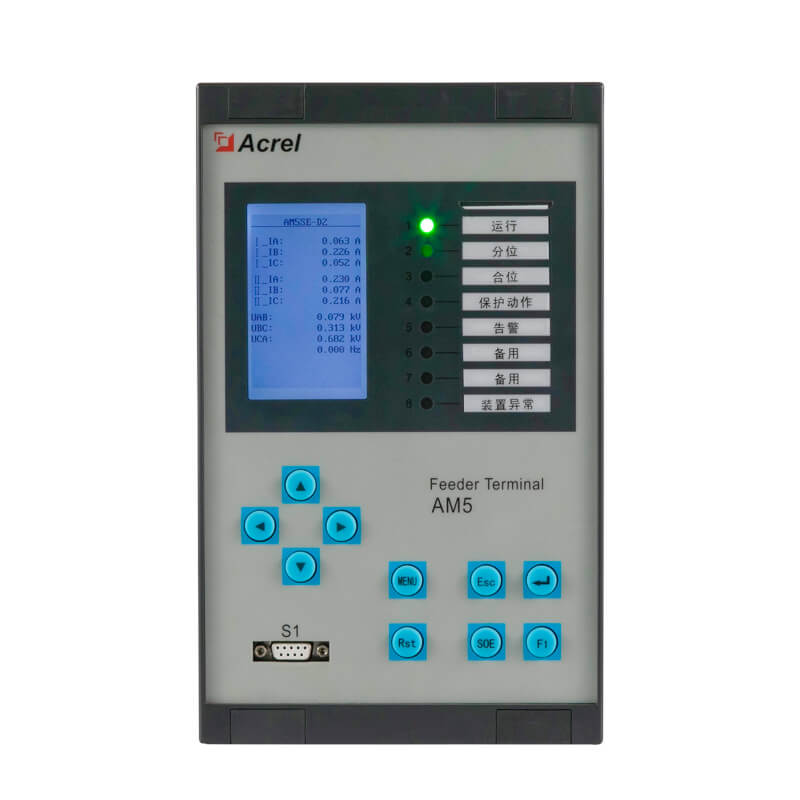
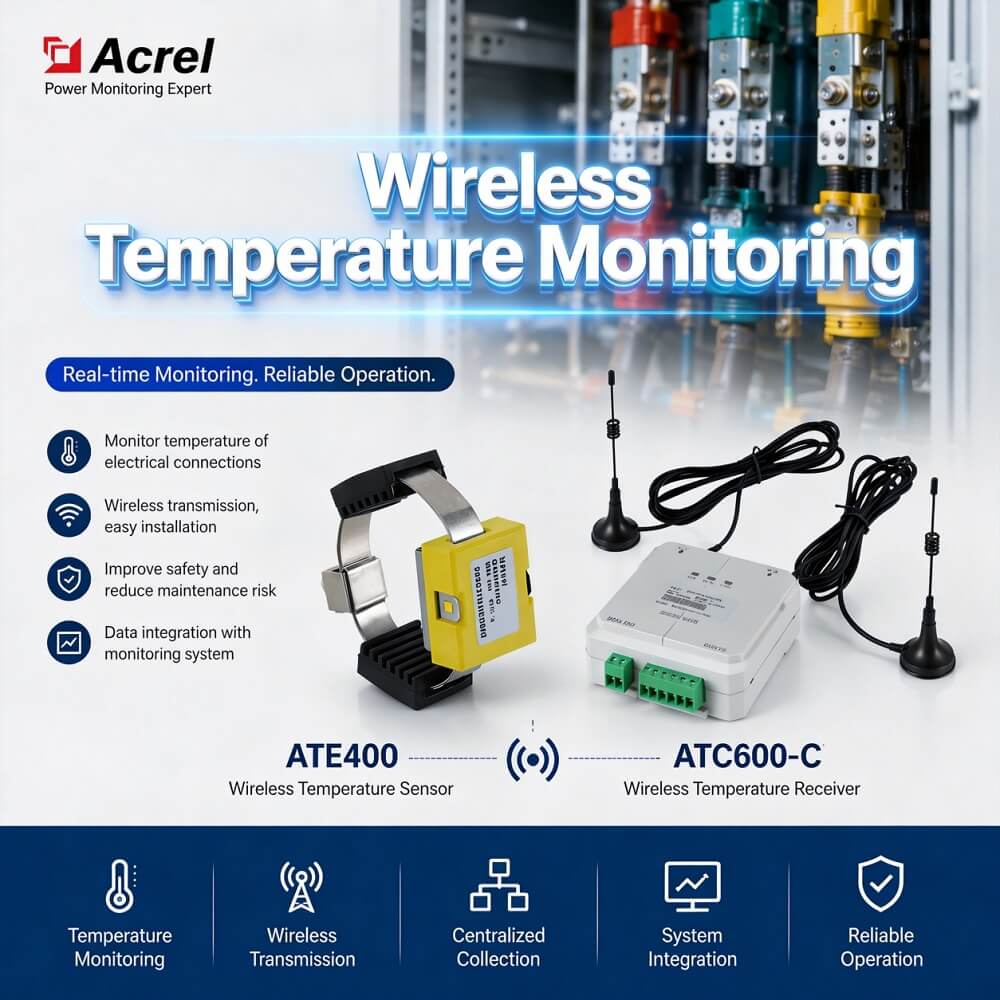
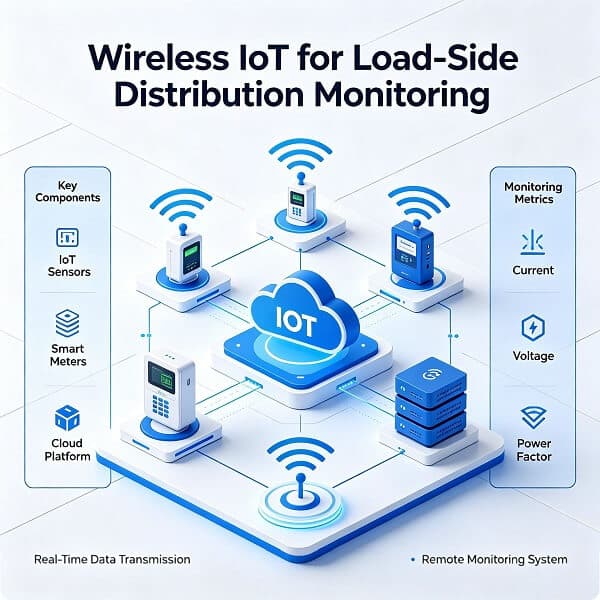
Use separate protection and temperature acquisition paths that converge at the station monitoring layer. Our AM5SE or appropriate AM6 protection relays acquire circuit measurements and status, with trip outputs connected to the relevant breaker. Compatible ATE sensors measure temperatures at selected electrical joints and transmit readings wirelessly to ARTM-Pn.
IEC 61850 and Utility SCADA and DMS Integration
IEC 61850, Modbus TCP, and serial communication interfaces may be applicable depending on theselected devices, gateways, and station architecture. Protocol support and interoperability mustbe verified against the specified hardware, firmware, and utility SCADA requirements.
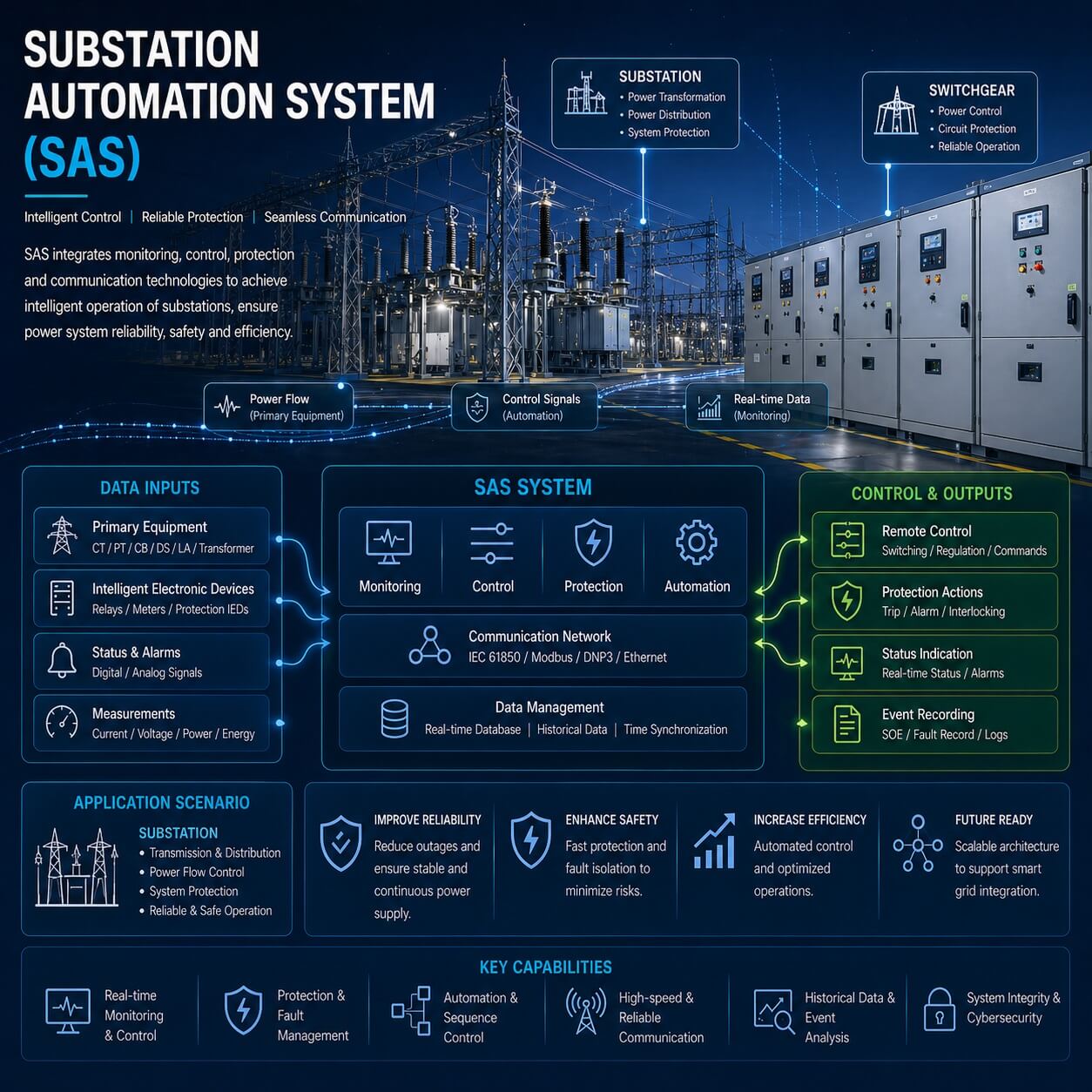
A utility-grade substation automation system (SAS) coordinates protection, station data and control-center communication across the distribution network.
Redundancy and Commissioning Requirements
Provide redundant station servers, network paths or auxiliary supplies where the project requires them. Define alarm priorities, time synchronization, access controls and the dispatch point list before acceptance testing. The monitoring platform supports supervision, while protection tripping remains local to the protection circuit. Commissioning should verify sensor identification, abnormal-temperature alarms, breaker indications and communication loss reporting, followed by point-to-point checks with the control center.
Application Products and Their Roles
| Component | Recommended Model | Main Function |
| Feeder protection | AM5SE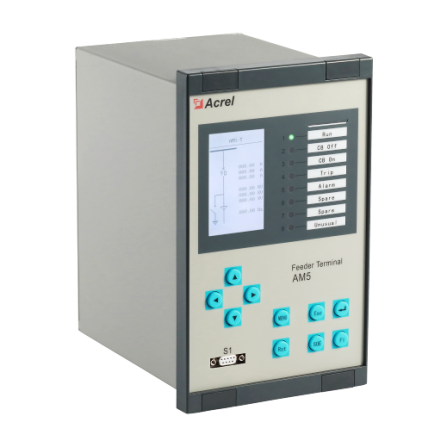 | Provides circuit protection, electrical measurements, breaker status and event records according to the selected model. |
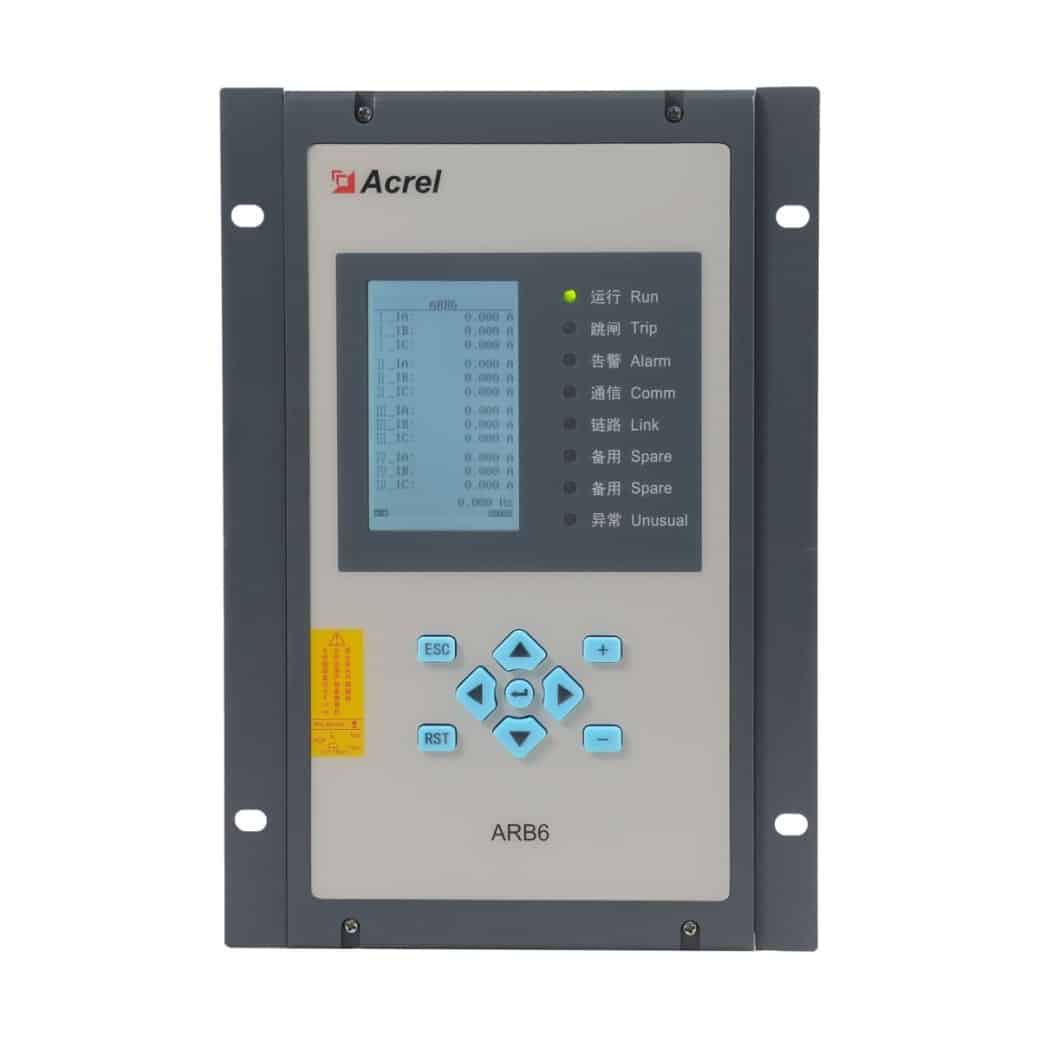
| Advanced protection | AM6 series 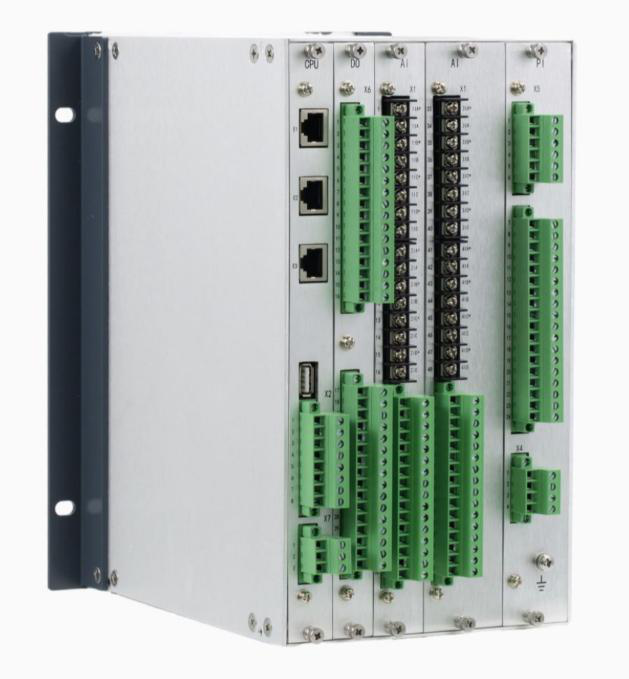 | Select application-specific devices for line, transformer or busbar protection and measurement and control duties. |
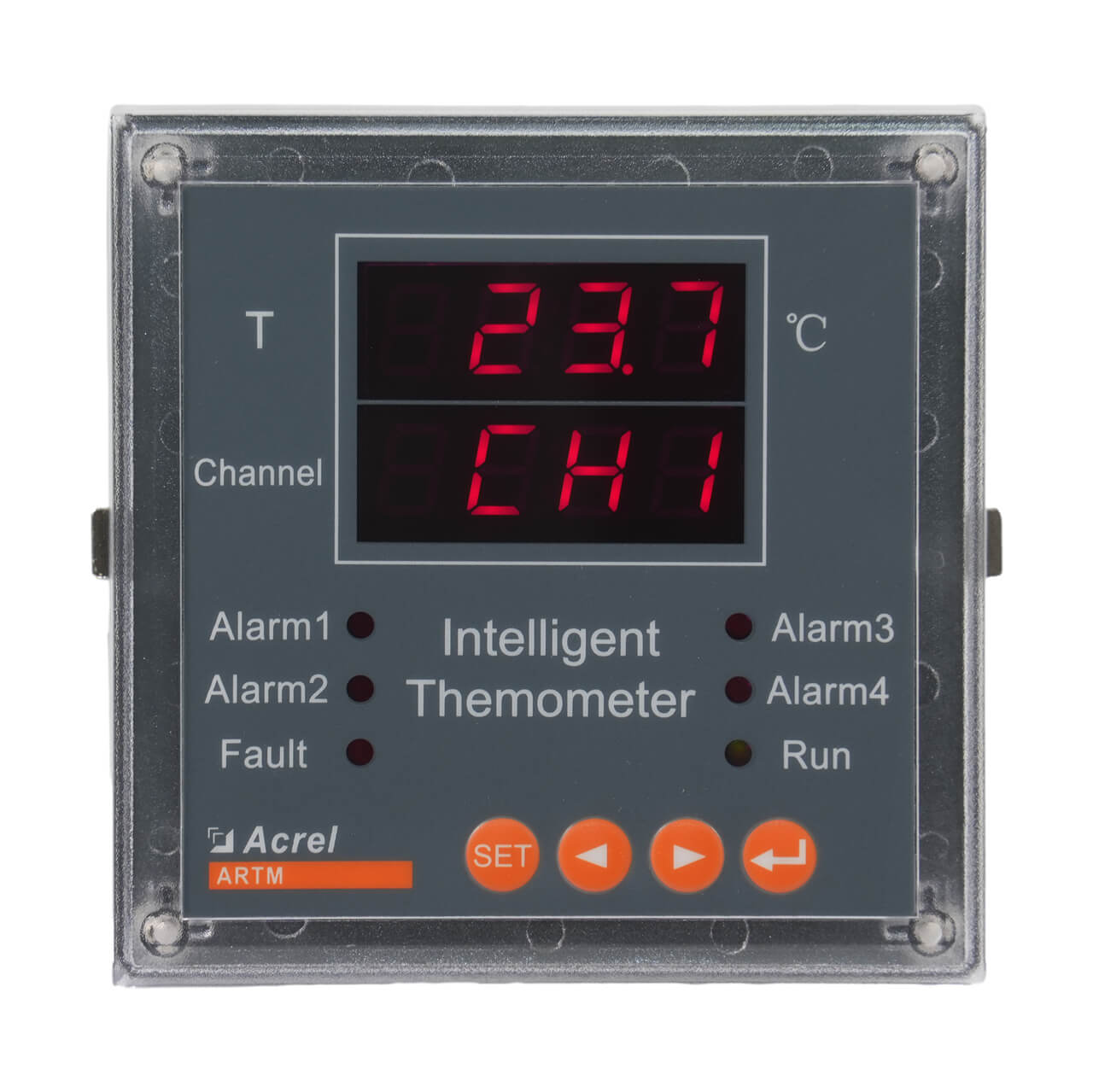
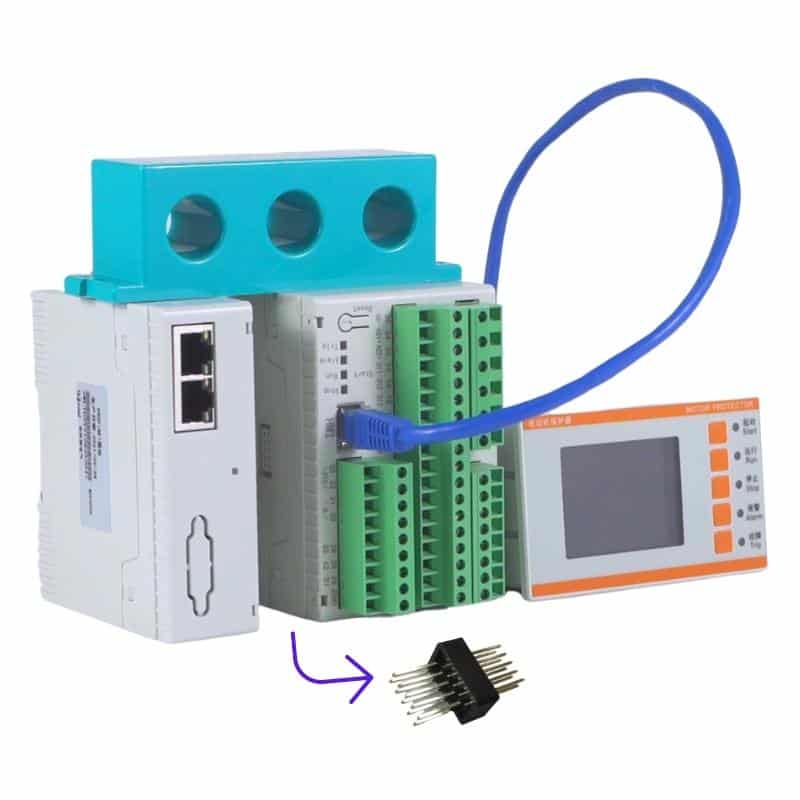
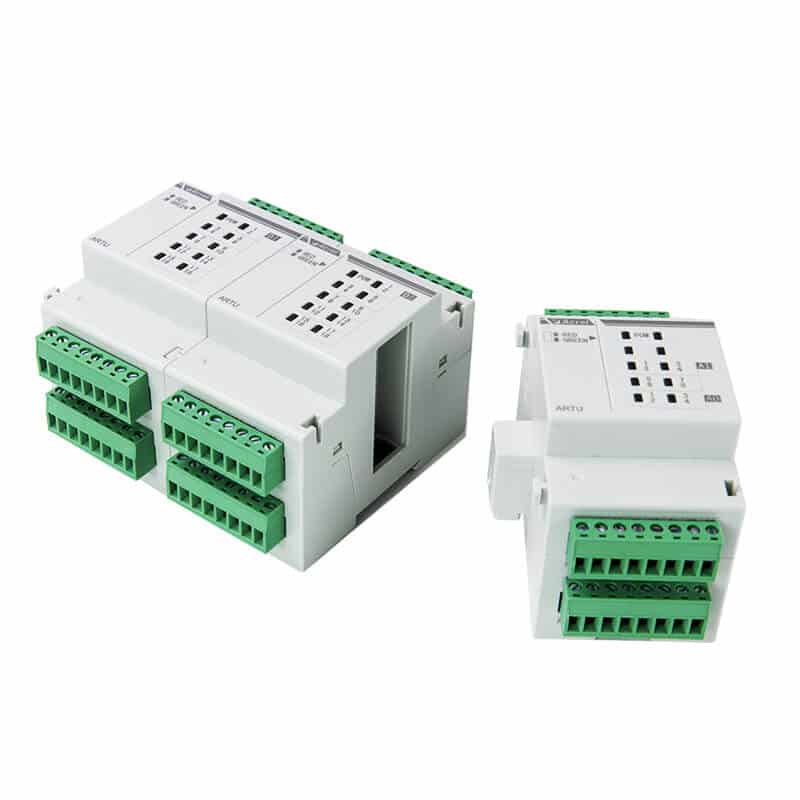
| Temperature acquisition | ARTM-Pn 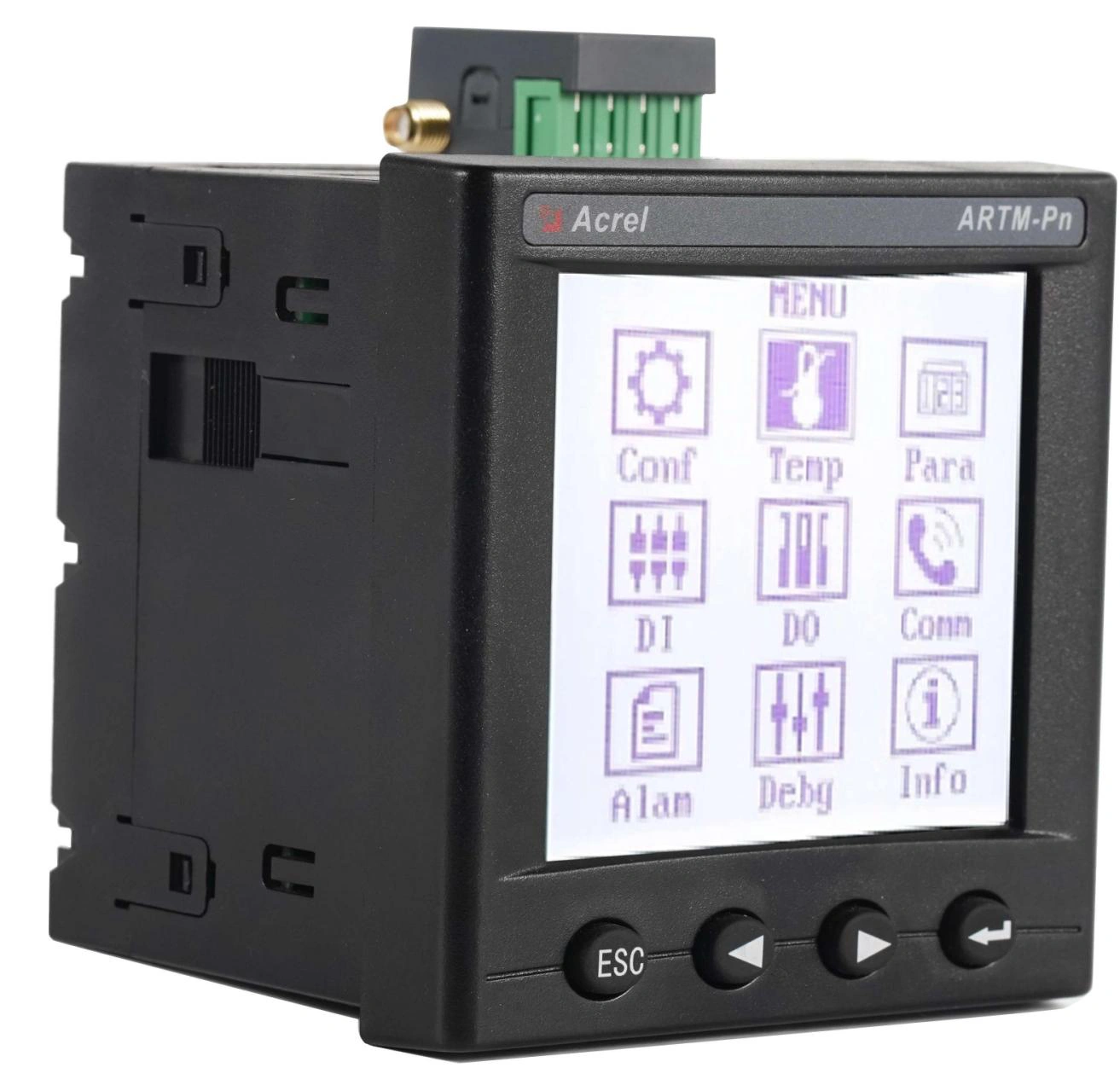 | Receives up to 60 ATE400 sensors and supports high-temperature, overtemperature, phase-difference and sudden-change alarms. Uploads via RS485 Modbus RTU. |
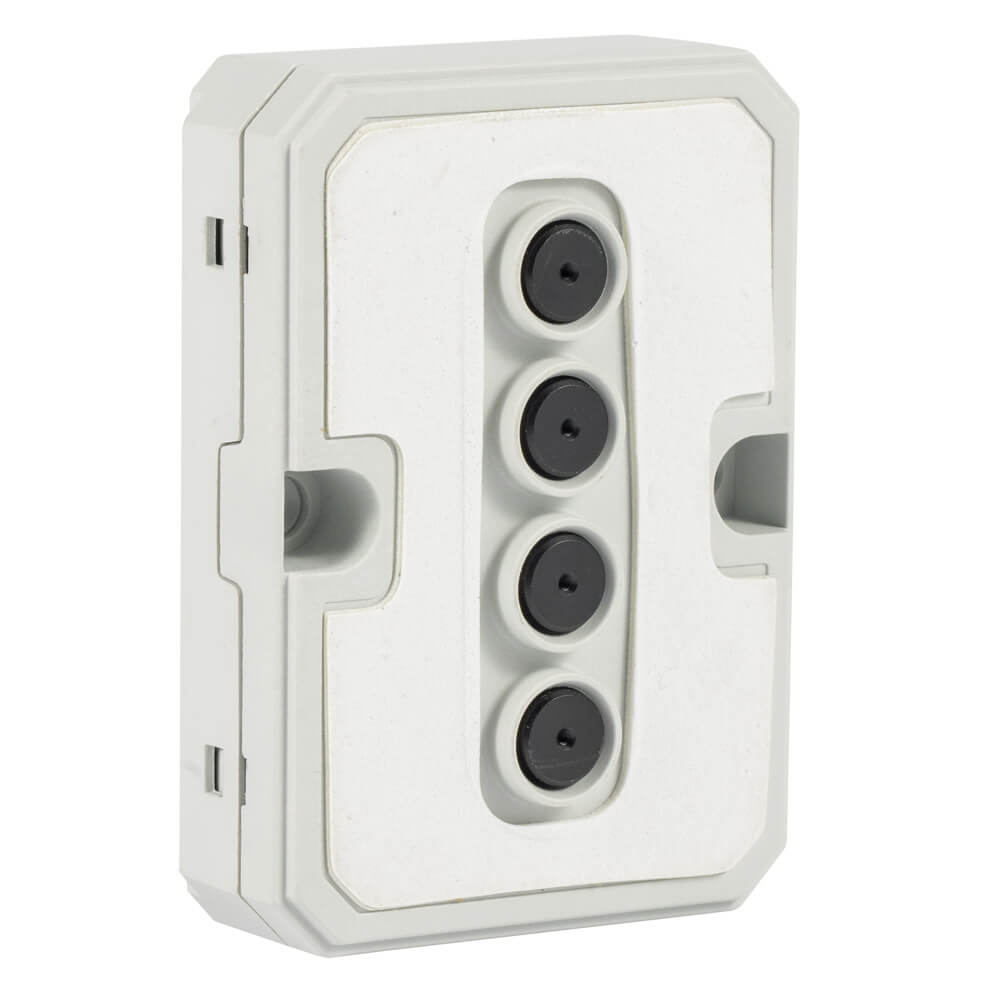
| Electrical joint sensing | ATE400 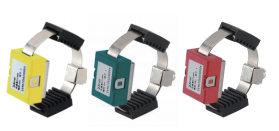 | Wireless sensors monitor selected breaker contacts, busbar connections and cable joints. |
| Data communication | Communication gateway  | Aggregates field data and provides configured upstream interfaces. Select protocol support and redundancy to match the project. |
| Central supervision | Substation monitoring platform 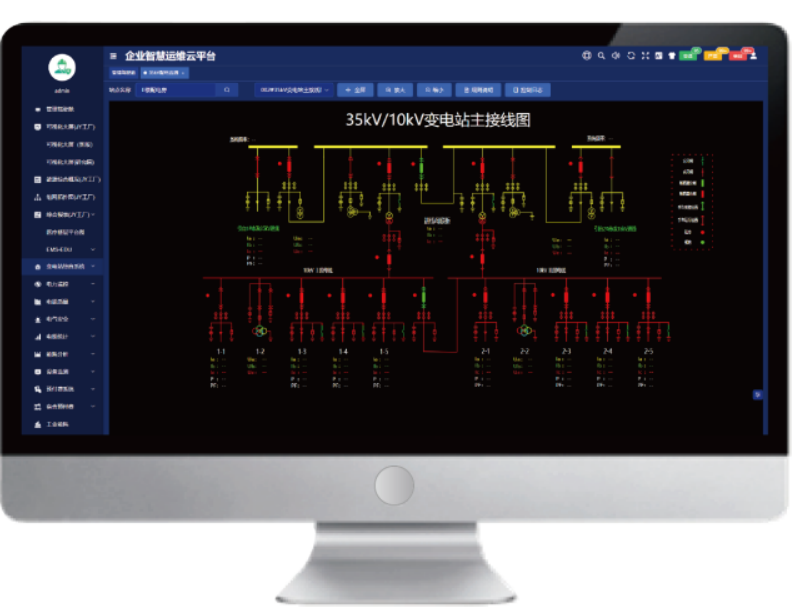 | Combines equipment status, temperature trends, alarms and operating records for station or centralized monitoring. |
Benefits of Distribution Substation Monitoring for Middle East Utilities
Substation monitoring for utilities provides clearer awareness of unexpected temperatures and circuit events. This helps teams focus on inspection and maintenance tasks. Shared station data also aids fault investigation. It lowers the need to gather every reading by hand.
EPC contractors often handle substation projects in Saudi Arabia, the UAE, and Qatar. For them, a repeatable device schedule and communication point list make coordination across stations easier. Procurement teams can define required functions, interfaces, spare capacity, and maintenance responsibilities for following packages. Protection settings and acceptance tests stay unique to each installation.
These benefits rely on teams recognizing alarms. They must inspect equipment. They also need to complete repairs. Teams should examine temperature trends together with load conditions. This helps them set maintenance priorities.
Two Real Substation Project References
These Chinese customer substation projects show protection, dispatch integration, and redundancy arrangements. Engineers can review them closely. They can consider the setups for Middle East utility and distribution applications.
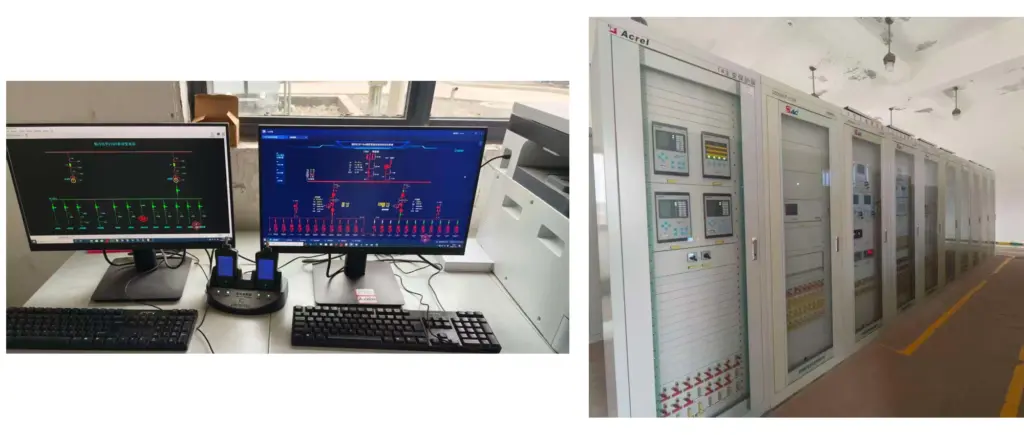
Sichuan Yinhe Jianhua 110 kV Substation in China
Country and industry: China, chemical manufacturing power distribution. This 110/10 kV substation retrofit adds a 31.5 MVA main transformer and associated circuits while integrating existing equipment. The final main-transformer capacity is specified as two 31.5 MVA units.
The project requires coordinated protection for new and existing circuits and data transmission to the dispatch center. Its configuration includes AM5SE differential and backup protection, AM6-K and AM6-K1 measurement and control devices, an ANet-4E16S remote dispatch gateway and integrated substation automation.
The design brings equipment data into a common monitoring system. Dispatch integration includes point-to-point verification against the power supply bureau’s point list, alongside secondary-system security hardening. This provides a practical reference for utility SCADA integration during substation expansion.
Aerospace Information University 35 kV Substation in China
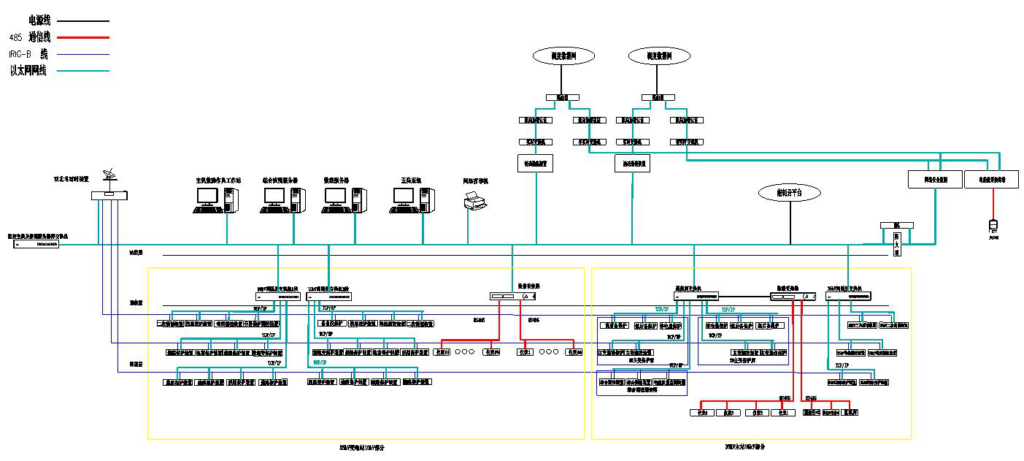
Country and industry: China, university campus power distribution. The project covers a 35 kV substation, three medium-voltage distribution rooms and multiple 10/0.4 kV rooms. It requires local substation monitoring and two dispatch-upload channels, together with campus-wide energy management.
The configuration specifies dual automation servers with hot standby, two dispatch-data-network channels, main-transformer protection panels, time synchronization, power quality monitoring and environmental auxiliary control. Local monitoring hosts collect distribution-room data and forward them over fiber to the university EMS platform.
This structure brings together local supervision and central management. It also makes sure servers and dispatch channels remain available. The approach gives EPC contractors a practical reference. They can follow it when defining redundant substation automation and distributed monitoring. These arrangements still need verification specific to each project. The checks must align with the utility’s redundancy and acceptance requirements.
Recommended FAQs – Smart Substation Monitoring for Middle East Utilities
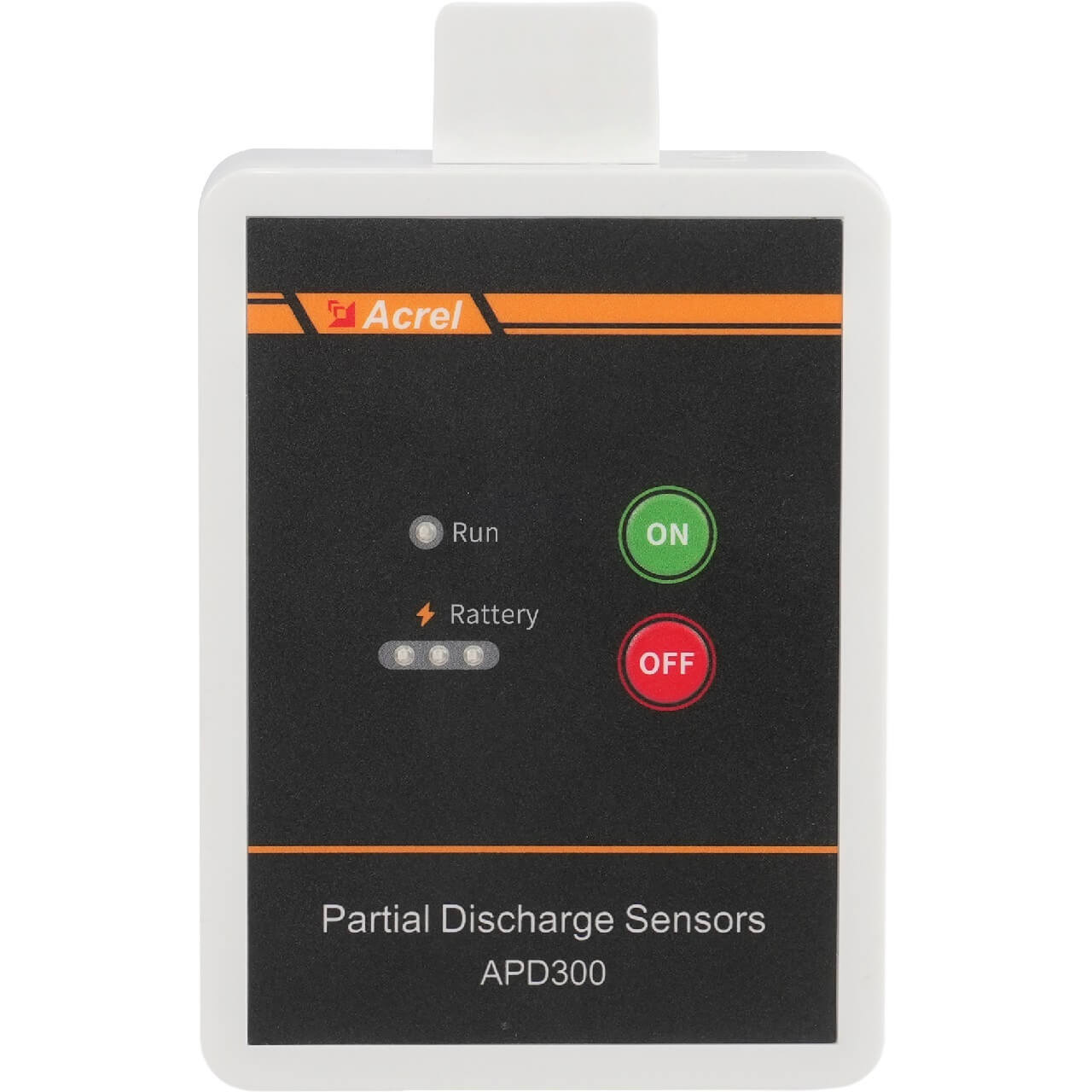
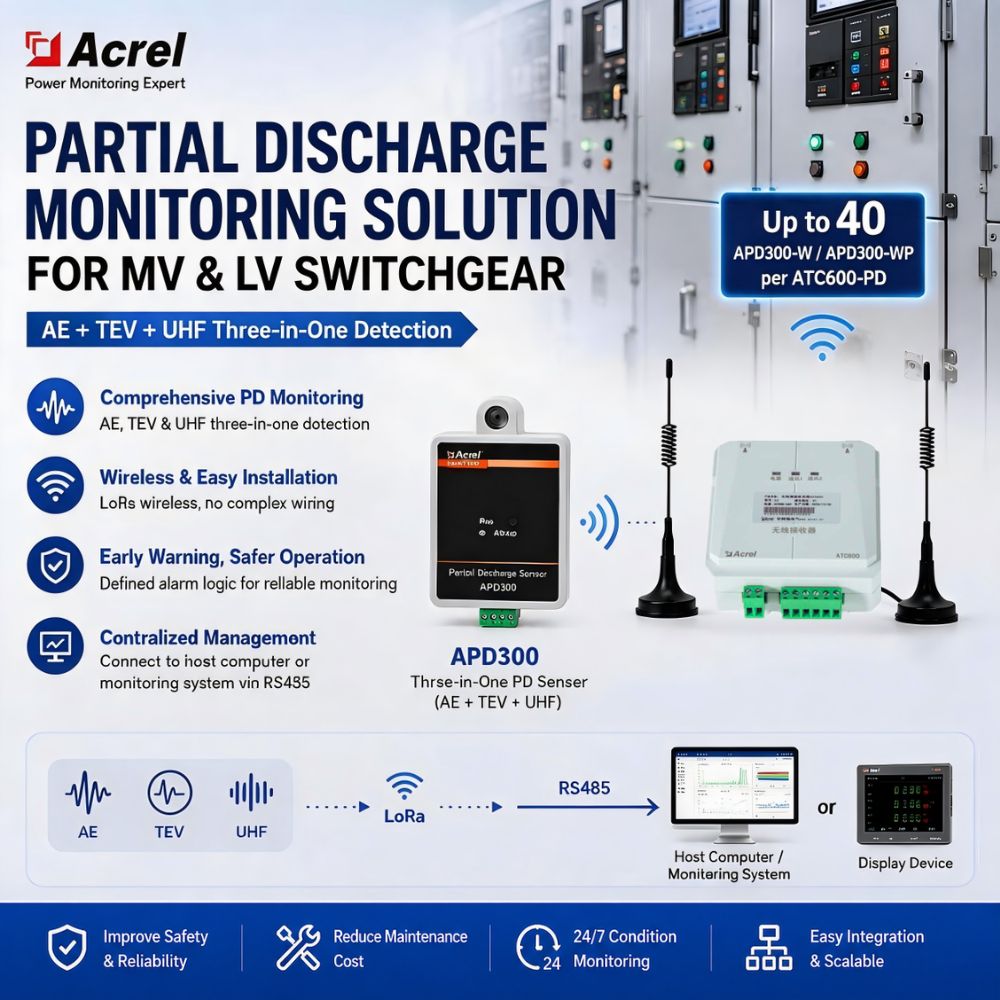
Smart substation monitoring combines protection events, switchgear temperature trends, and partial discharge alarms to provide better visibility into equipment conditions. Acrel’s AM, ATE, APD, and ARB series support fault investigation, early identification of abnormal conditions, and condition-based maintenance planning, helping utilities improve operational reliability when supported by timely maintenance actions.
Protection relays, such as Acrel’s AM series, detect specified electrical faults and initiate protective actions according to their settings. Condition monitoring devices, including ATE temperature sensors and APD partial discharge monitors, track equipment conditions and provide alarms for maintenance assessment. ARB arc-flash protection relays provide an additional protective function. These systems complement each other but serve different purposes.
Acrel devices can be evaluated for integration with existing SCADA systems through supported communication interfaces and suitable gateways. Depending on the selected models and configurations, integration may involve Modbus, Ethernet-based communication, or IEC 61850 interfaces. Protocol compatibility, data point mapping, time synchronization, and interoperability must be verified against the utility’s technical specifications.
Key considerations include protection coordination, high-temperature operating conditions, auxiliary power reliability, communication interfaces, system redundancy, and commissioning requirements. For projects in Saudi Arabia, the UAE, and Qatar, EPC contractors should also verify applicable utility specifications, environmental ratings, SCADA integration requirements, and factory and site acceptance testing procedures.
Acrel’s protection and condition monitoring products can be technically evaluated for distribution substation applications relevant to SEC, DEWA, and KAHRAMAA projects. Suitability depends on the required protection functions, communication protocols, environmental specifications, and system architecture. Technical compatibility does not imply utility approval; vendor qualification, approved vendor list (AVL) status, and project-specific acceptance requirements must be verified separately.