





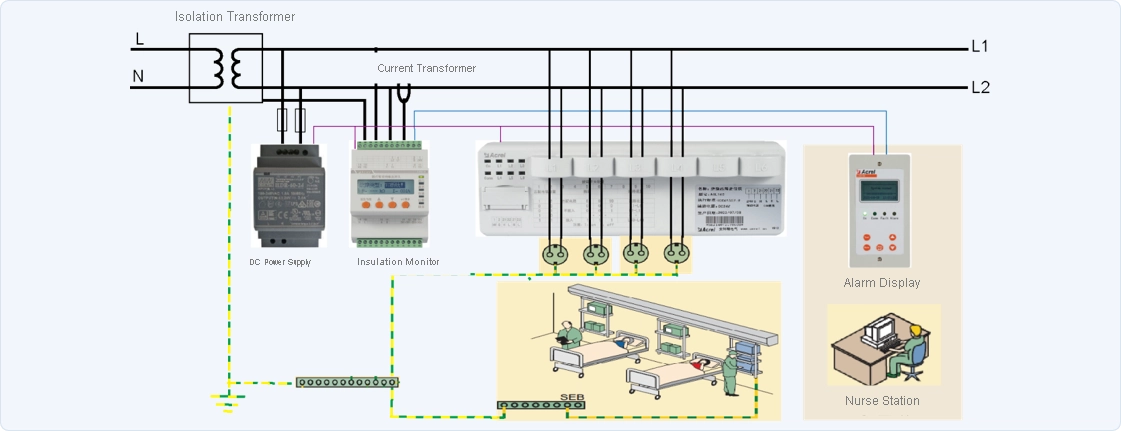
Hospitals cannot treat electrical safety as a routine power-distribution issue. In an operating room, ICU or cardiac catheterization room, an insulation fault can affect patient-connected equipment while an interruption can disrupt treatment. A medical IT system separates selected loads from the normal TN supply through a medical isolation transformer and continuously supervises the isolated network. For hospitals in the Middle East, especially new-build and expansion projects across Saudi Arabia, the UAE and other GCC markets, Medical IT systems are increasingly considered during the electrical design of critical treatment areas.
Overview: What Is Medical IT System Insulation Monitoring?
What Is a Medical IT System in a Hospital?
A hospital isolated power system uses a medical isolation transformer to create an ungrounded IT system for critical medical locations. It supports medical electrical safety where continuity and patient protection matter more than conventional energy metering.
What Does a Medica IT Insulation Monitoring System Monitor?
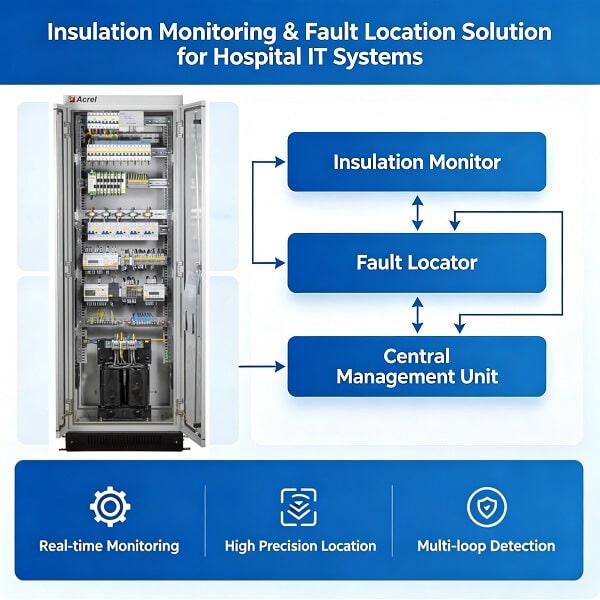
A medical IT system insulation monitoring device supervises insulation resistance, isolation-transformer load current, transformer temperature, alarm status and communication status. With a fault locator, it can identify the affected outgoing circuit and give maintenance staff time to act before a second fault develops.
Why Medical IT System Insulation Monitoring Matters in Hospitals
Why Do Group 2 Medical Locations Require Higher Electrical Safety?
Operating rooms, ICU/CCU areas, cardiac catheterization rooms and interventional rooms combine patient contact, life-support equipment and low interruption tolerance. These conditions require medical IT architecture and continuous monitoring. Other rooms should be assessed against the applicable Group 2 classification. In Middle East hospital projects, MEP consultants and EPC contractors typically need to coordinate Medical IT design with both IEC requirements and local authority or project specifications.
Why Is the First Insulation Fault Different in a Medical IT System?
The first-fault workflow is: normal operation, insulation deterioration, fault detection, alarm, branch location and targeted maintenance. The first fault usually does not require an immediate shutdown, giving engineers a troubleshooting window while essential loads remain energized.
Which Standards Affect Medical IT Insulation Monitoring?
IEC 60364-7-710 addresses medical-location installations. IEC 61557-8 covers insulation monitoring and IEC 61557-9 fault-location systems. Middle East projects commonly combine IEC design with local regulations.
What Is the Business Impact of Poor Insulation Monitoring?
Without continuous data, engineers may need circuit-by-circuit testing, struggle to identify the responsible device or cable, and increase mean time to repair. Unnecessary investigation can disrupt critical treatment areas.
Common Challenges Without Medical IT System Insulation Monitoring
Hidden Insulation Deterioration Cannot Be Detected by Manual Inspection
Manual inspection captures one moment. Insulation can change after equipment replacement, cable aging, moisture, load changes or cleaning.
Manual Fault Finding Can Require Circuit-by-Circuit Troubleshooting
A basic alarm may announce “insulation fault” without identifying the outgoing circuit, forcing a longer search when sequential isolation is unacceptable.
Critical Medical Loads Cannot Tolerate Unnecessary Power Interruptions
Operating rooms, ICU, CCU and interventional rooms need troubleshooting that preserves continuity for unaffected critical loads.
Transformer Overload and Temperature Can Be Missed
Insulation resistance alone is not enough. Load current and transformer temperature reveal overload or thermal conditions that may develop while insulation remains above the alarm threshold.
Distributed Medical IT Systems Create Alarm Visibility Problems
Several operating rooms, ICU zones and isolated cabinets may report alarms in different locations. A cabinet-only indicator can delay response.
Multi-Device Compatibility Can Complicate Hospital Electrical Projects
EPC contractors, MEP consultants and panel builders must coordinate transformer sizing, wiring, communication, commissioning and replacement responsibility. This calls for a coordinated medical IT system insulation monitoring solution rather than a standalone monitor.
Why This Medical IT System Insulation Monitoring Solution Works
Continuous Insulation Monitoring Provides Earlier Warning
The monitor tracks real-time insulation status and alarm thresholds, shifting maintenance from failure response to early detection.
Load Current and Transformer Temperature Are Monitored Together
The solution combines insulation, load and temperature data so engineers can distinguish insulation problems from overload or overheating.
Automatic Insulation Fault Location Reduces Troubleshooting Scope
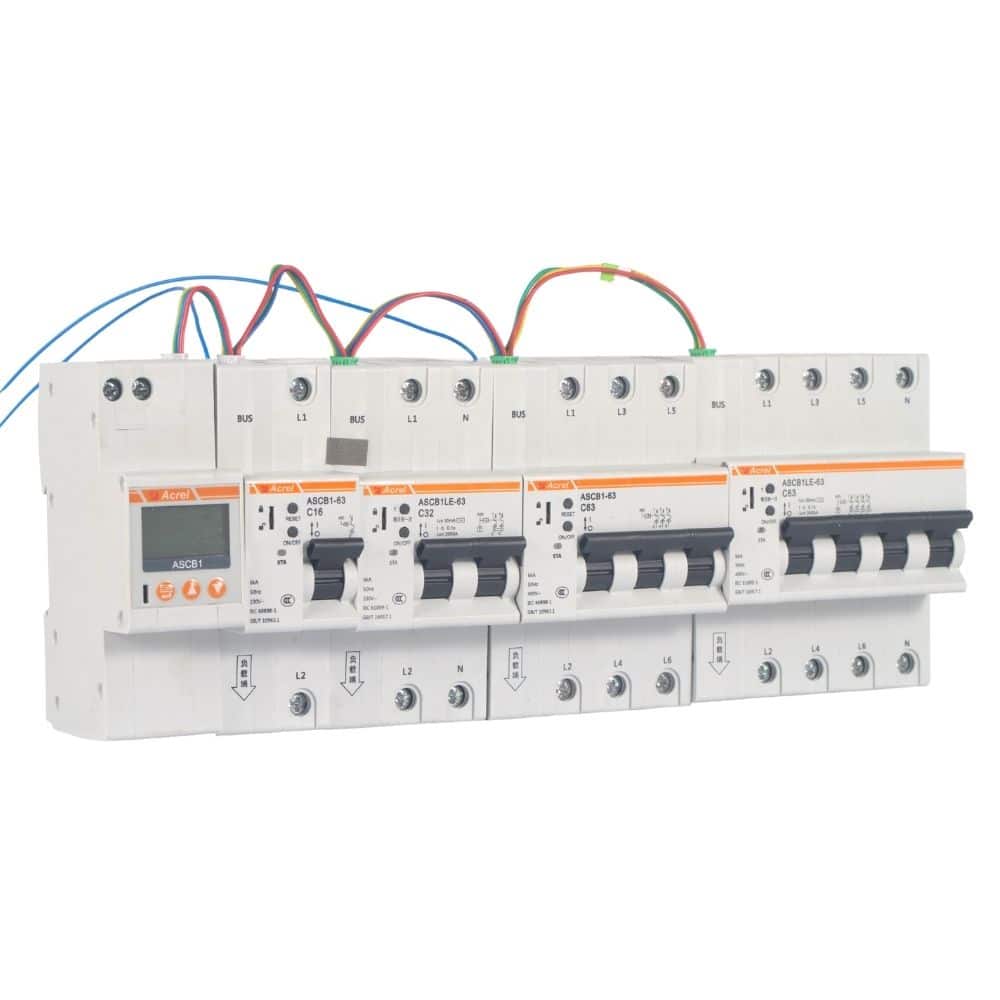
The AIM-M300 can send a locating signal through CAN to the AIL160-6. The locator identifies the affected outgoing branch instead of requiring blind circuit-by-circuit testing.
Local Alarm Displays Improve Response in Clinical Areas
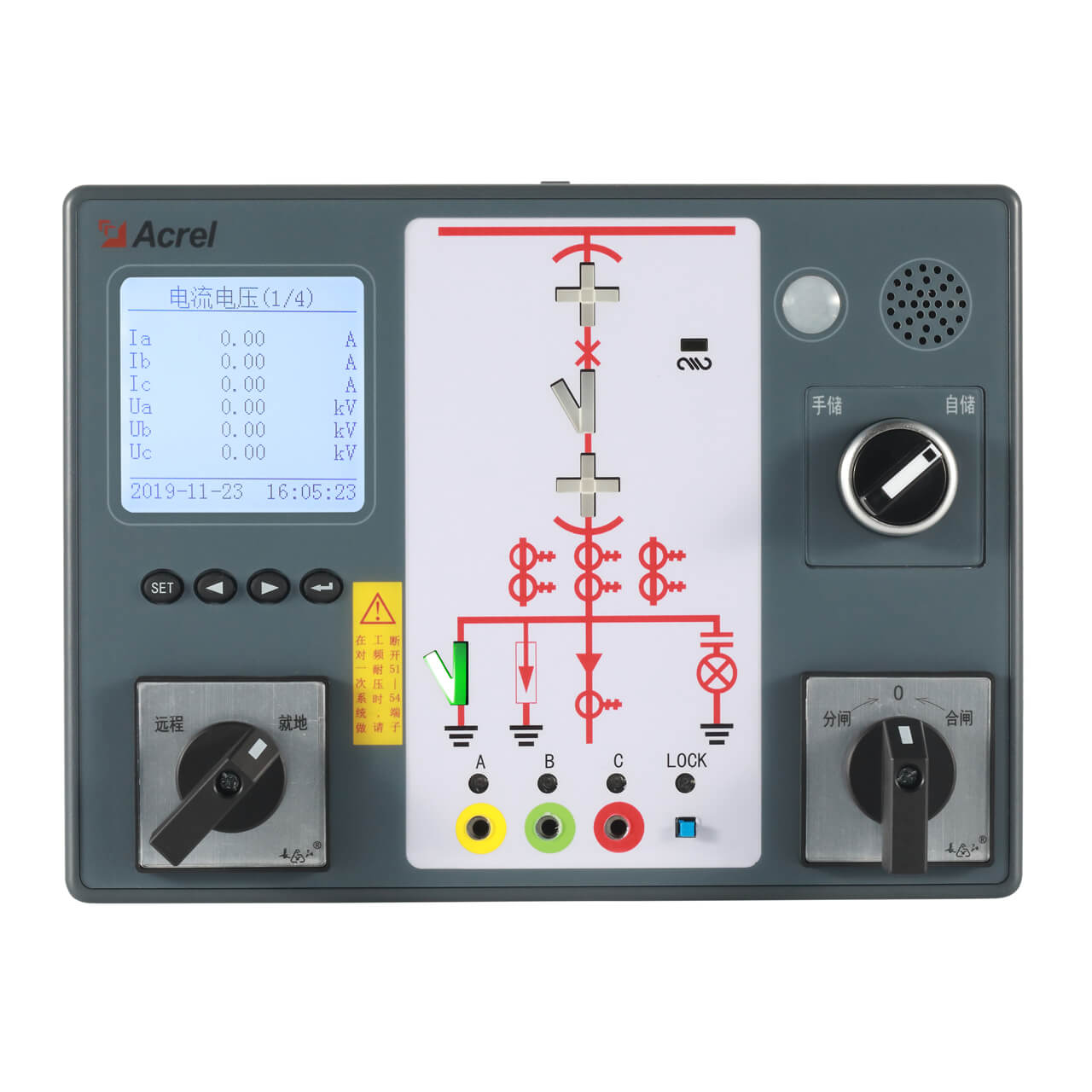
AID150 provides visible and audible status information at a nurse station or operating-room information panel. Clinical staff see the alarm while engineers diagnose and repair.
Communication Enables Centralized Hospital Monitoring
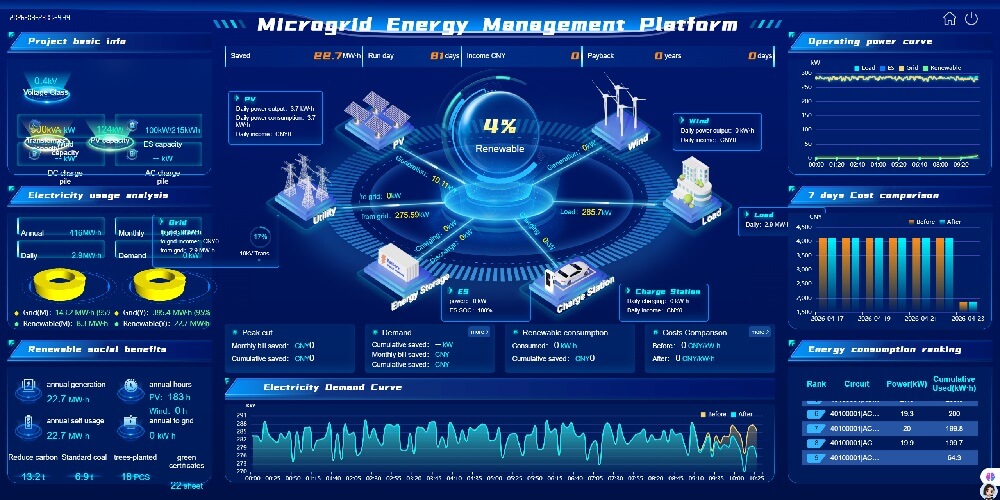
RS485 with Modbus-RTU connects devices to a monitoring platform. CAN coordinates the monitor and locator. Acrel EMS-MED can provide centralized status, trends and alarm management.
Modular Design Supports Different Hospital Project Sizes
Four-piece and five-piece configurations suit smaller systems. The six-piece configuration adds branch-level fault location.
Medical IT System Insulation Monitoring Architecture
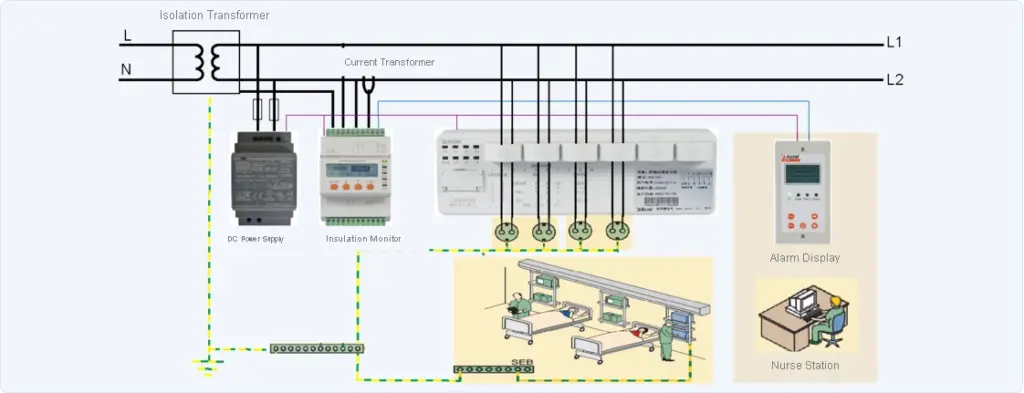
How Does the Medical IT Insulation Monitoring Workflow Operate?
- Isolate critical loads with AITR.
- Monitor insulation, load and temperature with AIM-M300.
- Detect a value below the configured threshold.
- Alarm locally through AID150.
- Locate the branch with AIL160-6.
- Maintain the identified circuit while preserving continuity elsewhere.
How Does the Medical IT System Communicate with Hospital Monitoring?
The AIM-M300 communicates through RS485 and Modbus-RTU. CAN links it with the fault locator. A hospital platform can provide centralized status and records. For large hospitals in Saudi Arabia, the UAE and other Middle East markets, this communication capability can help integrate multiple Medical IT systems into centralized electrical monitoring and facility-management workflows.
Key Components of the Medical IT System Insulation Monitoring Solution
| Component | Recommended Model | Main Function |
| Medical Isolation Transformer | AITR Series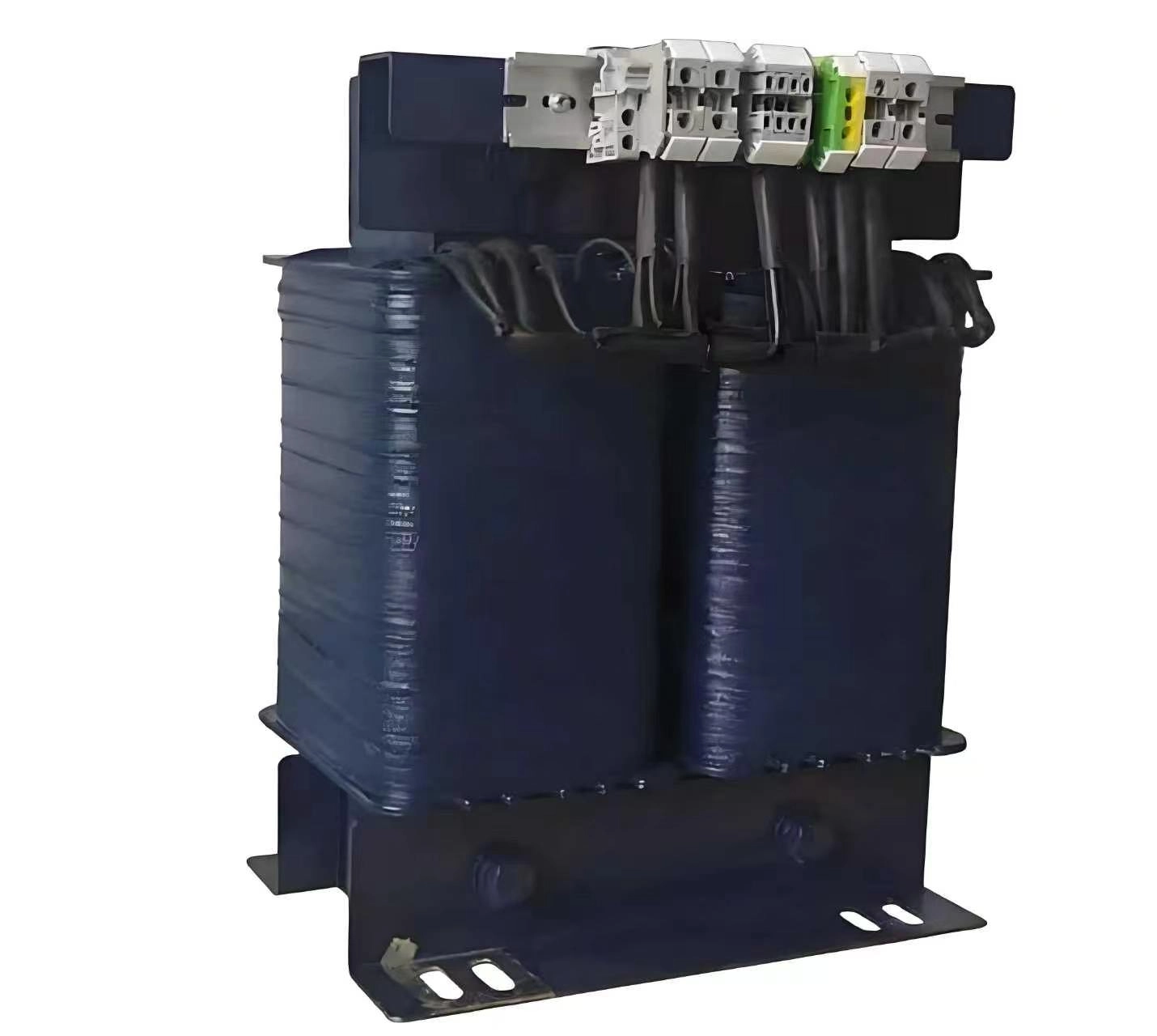 | Creates the isolated Medical IT power supply for critical medical loads |
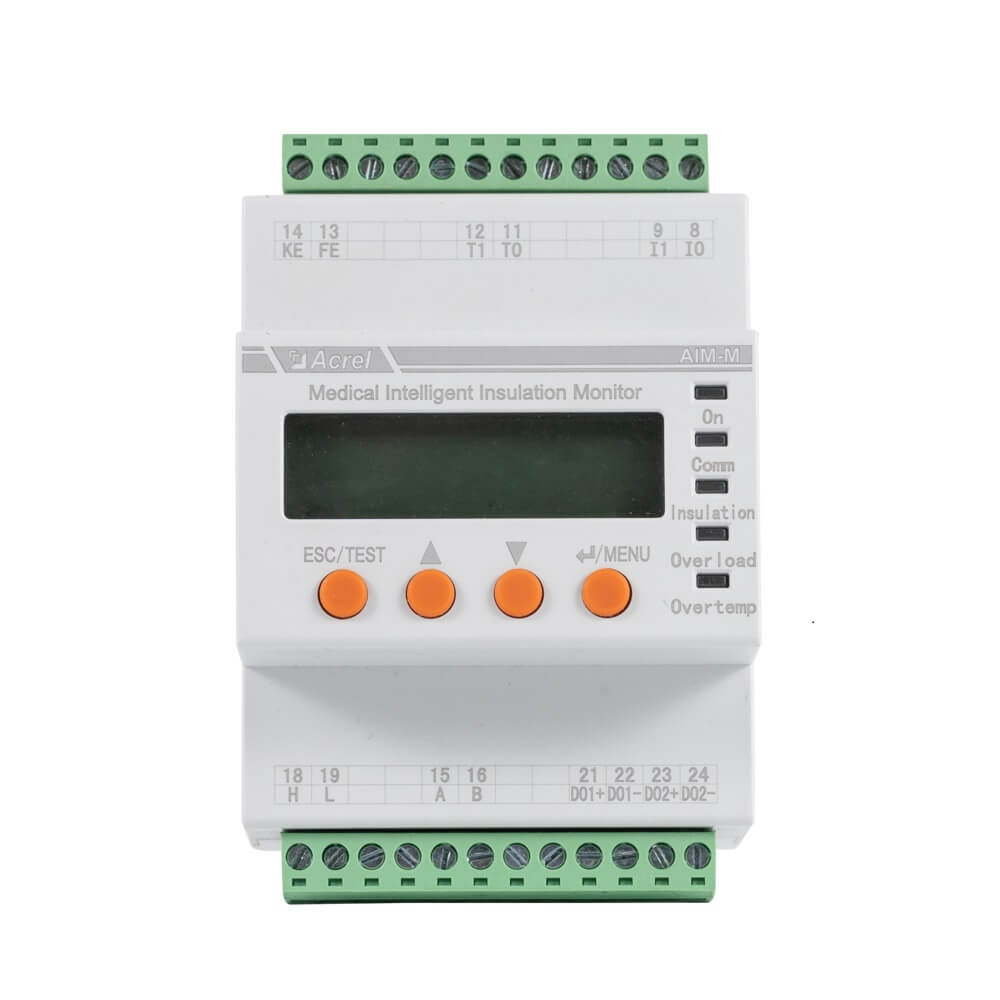
| Medical Insulation Monitor | AIM-M300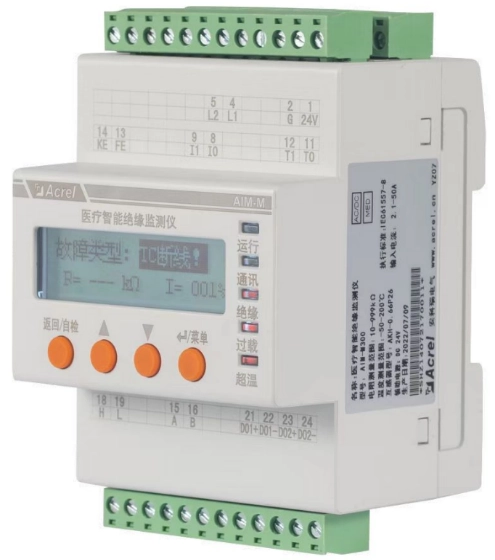 | Monitors insulation resistance, transformer load current and temperature |
| Current Transformer | AKH-0.66P26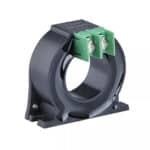 | Provides load-current measurement signal |
| Alarm & Display Unit | AID150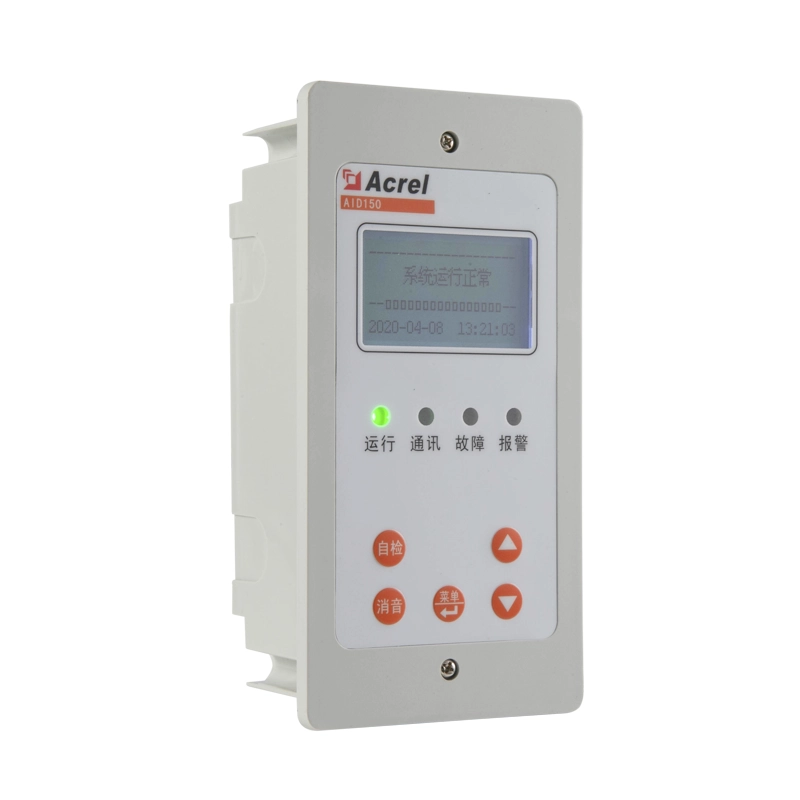 | Displays system status and provides audible/visual alarms |
| DC Power Supply | HDR-60-24 | Provides 24 V DC power for monitoring devices |
| Insulation Fault Locator | AIL160-6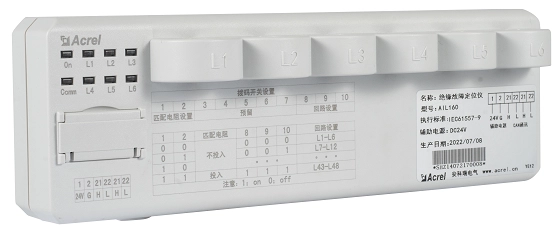 | Identifies the outgoing circuit affected by an insulation fault |
What Role Does AIM-M300 Play in the Six-Piece System?
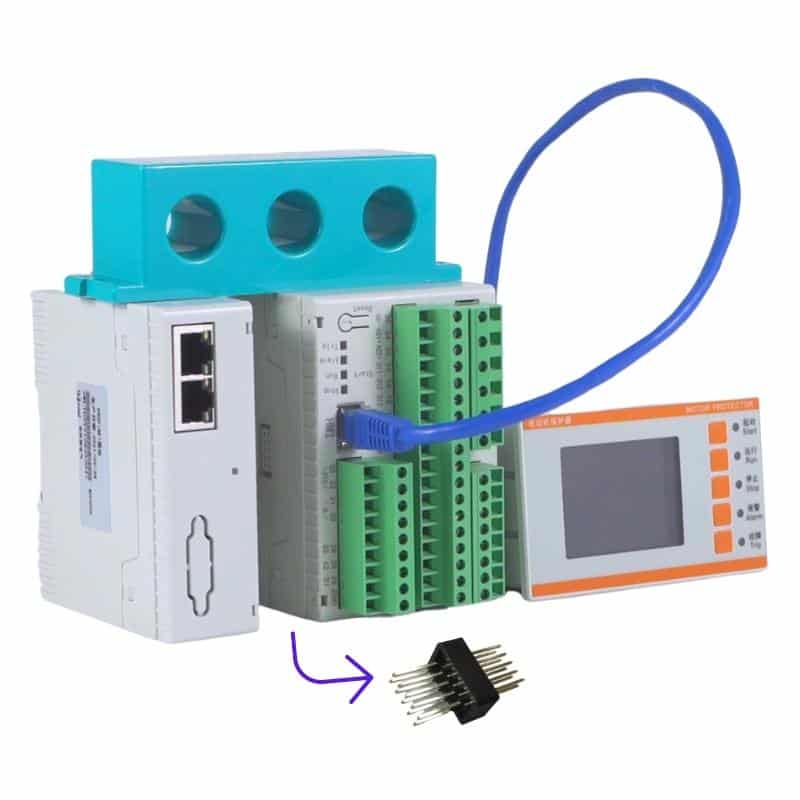
AIM-M300 is the core device. It measures insulation resistance, transformer load current and temperature, provides alarms and coordinates with a fault-location device.
When Is a Six-Piece Medical IT System Recommended?
Use the six-piece arrangement for multiple critical outgoing circuits, branch-level fault location or fast confirmation of an abnormal circuit. The configuration is AITR, AIM-M300, AKH-0.66P26, AID150, HDR-60-24 and AIL160-6.
The AIM-M300 medical insulation monitor is the core device, while the AIL160-6 insulation fault locator adds branch-level troubleshooting.
Typical Applications for Medical IT System Insulation Monitoring
Typical Middle East applications include new hospitals, operating-theatre expansions, ICU upgrades, cardiac centers and other critical-care projects where continuous electrical supervision is required.
Operating Rooms and Surgical Suites
Medical IT system insulation monitoring for operating rooms protects anesthesia equipment, patient monitors, operating tables, pendants and critical sockets while maintaining supply continuity.
ICU, CCU and NICU Critical Care Areas
Multiple IT systems can serve separate bedside equipment groups, with alarm displays at a nurse station.
Cardiac Catheterization and Interventional Rooms
Multiple outgoing circuits make rapid fault identification useful in these rooms.
Emergency, Delivery and Other Group 2 Medical Locations
Where a room is classified as Group 2, a medical IT system may be required. Follow the local authority and project specification.
Project Case Studies: Medical IT System Insulation Monitoring in Hospitals
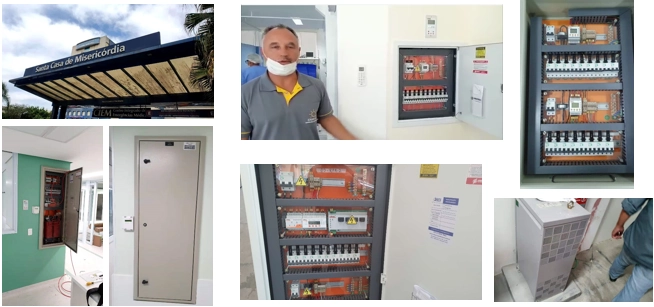
Case Study 1: Hospital IT Power System Insulation Monitoring Project in Brazil
A hospital project in Brazil adopted Acrel’s medical it insulation monitoring solution to improve electrical safety in critical medical areas. The system combined isolated power distribution, insulation monitoring, and alarm functions, helping maintenance teams detect insulation abnormalities and manage the hospital’s IT power system more efficiently while supporting continuous operation of essential medical equipment.
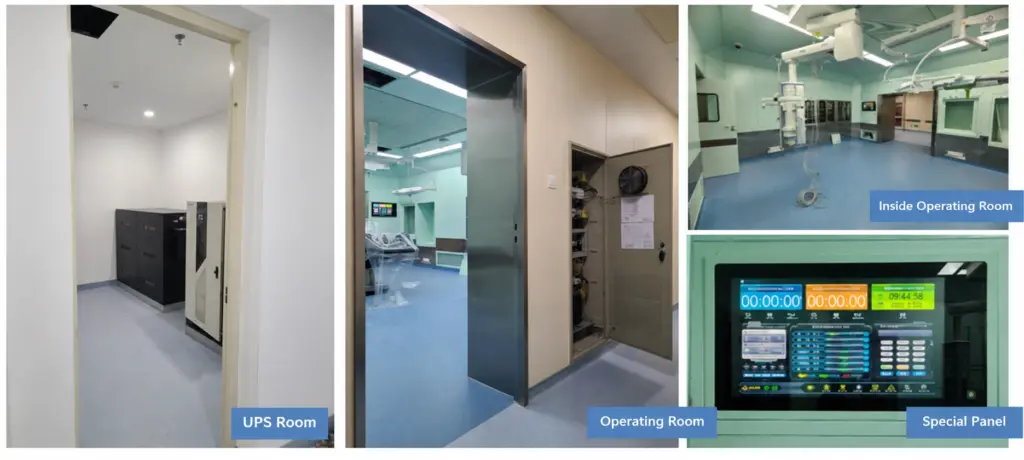
Case Study 2: AIM-M300 Medical IT Monitoring in an Operating Room
For an operating-room application, Acrel’s AIM-M300 six-piece medical it solution combines the AITR isolation transformer, AIM-M300 insulation monitor, AIL160-6 fault locator, AID150 alarm display, AKH-0.66P26 current transformer, and HDR-60-24 power supply. The system monitors insulation, load, and transformer temperature while helping maintenance teams quickly identify faulty outgoing circuits.
Related Resources for IT System Insulation Monitoring
AC IT Insulation Monitoring & Location Solution for Hospital
For hospital monitoring and branch fault identification, see the AC IT Insulation Monitoring & Location Solution for Hospital.
DC EV Charging Insulation Monitoring Solution
For non-medical ungrounded DC systems, see the DC EV Charging Insulation Monitoring Solution. It is separate from hospital medical IT power.
Conclusion: From Early Warning to Faster Maintenance
A medical IT system insulation monitoring solution makes insulation status visible during operation. Load, temperature, alarms and branch location help maintenance teams respond with less interruption.
For Middle East hospital projects, Acrel can support MEP consultants, EPC contractors and panel builders with Medical IT system selection based on room classification, circuit quantity and project requirements. For a quotation, provide room type, Group classification, transformer capacity, outgoing-circuit count, single-line diagram and monitoring requirements.
FAQ
It is continuous supervision of insulation resistance in an isolated medical power system, combined with load, temperature and alarm monitoring.
It detects the first fault early and gives maintenance staff time to correct it while critical loads continue operating, subject to the applicable standard.
It monitors insulation resistance, transformer load current and temperature. It can issue alarms and coordinate with a fault locator.
The monitor sends a locating signal after an alarm. A compatible locator such as AIL160-6 identifies the affected branch.
Provide room type, Group classification, transformer capacity, outgoing-circuit count, single-line diagram, fault-location coverage and centralized-monitoring needs.