







What Is a Busway Temperature Monitoring Solution?
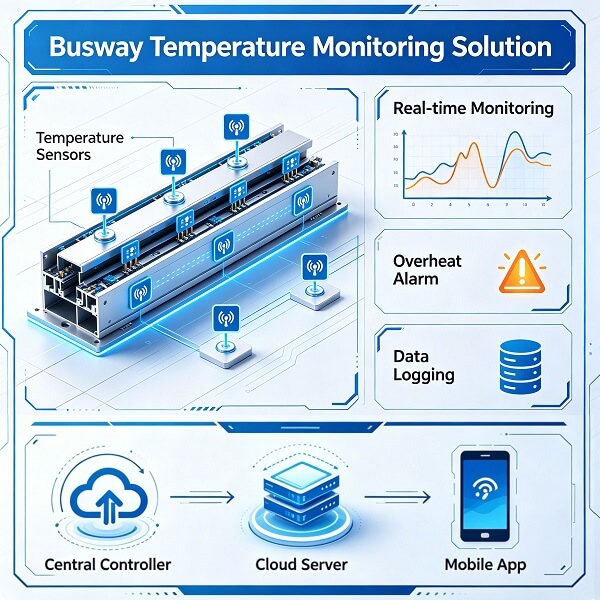
A busway temperature monitoring solution is an intelligent electrical monitoring system that measures temperature and operating conditions across busway distribution networks. It focuses on busway joints, tap-off boxes, end-feed boxes, plug-in contacts, and conductors.
Depending on project requirements, the system can monitor temperature, current, voltage, active power, energy, power factor, and alarm status. Contact sensors, infrared modules, and distributed fiber-optic temperature sensing can be selected according to the busway design.
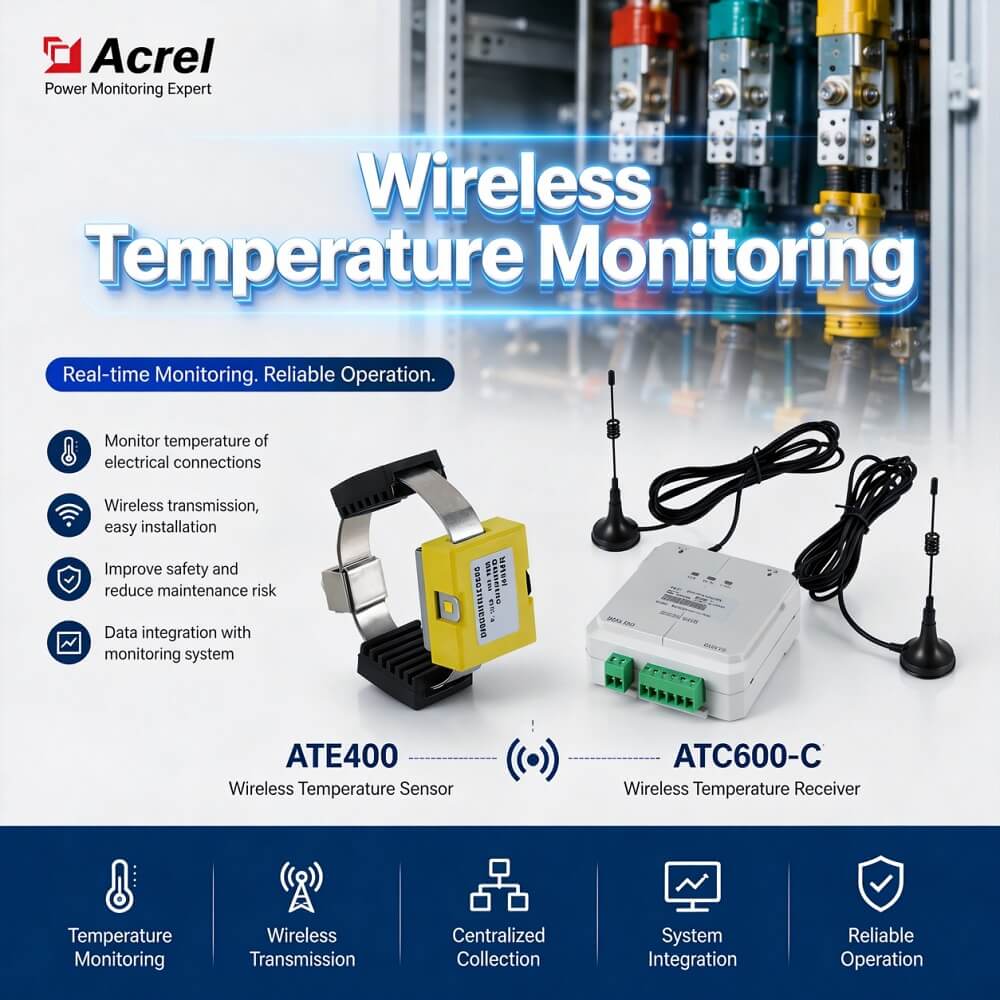
A complete busway temperature sensor strategy combines devices according to the monitoring location and measurement range. Continuous monitoring detects abnormal heating early, improves electrical safety, and supports predictive maintenance.
Why Busway Temperature Monitoring Matters for Electrical Safety
Rising Electrical Loads in Critical Facilities
Data centers, semiconductor plants, renewable-energy facilities, and smart factories now rely on high-density electrical distribution more often. These higher current loads create extra thermal stress at busway joints and connection points.
Even a small temperature rise can signal a loose connection. It may also show an overload. Or it could indicate rising contact resistance. Continuous busway thermal monitoring finds these changes. The system does this while the equipment stays in service.
Hidden Thermal Faults in Busway Joints
Busway joints bring together mechanical connections and current-carrying conductors. Oxidation, installation errors, vibration, or insufficient tightening can raise resistance. This increase produces heat in one area.
These faults often stay hidden from view. Busway Joint Temperature Monitoring offers ongoing visibility into those connection points. The points are usually hard to check by hand. Infrared busway-joint temperature monitoring helps spot unusual conditions early. It identifies them before they lead to equipment damage or outages.
Business Impact of Busway Overheating
Busway overheating may result in power interruptions. It can damage equipment. It also raises fire risks. These problems affect data centers and manufacturing plants. They can disrupt IT services or production lines. A reliable busway thermal monitoring system cuts down on emergency maintenance. It also boosts overall system reliability.
Common Challenges Without Continuous Busway Temperature Monitoring
Manual Inspection Cannot Detect Every Hot Spot
Periodic inspection records conditions only at a specific time. Abnormal temperatures that develop later may remain undetected until the next inspection.
Difficult-to-Access Busway Joints and Risers
Joints, tap-off boxes, and vertical risers may be installed in shafts, ceilings, or restricted electrical rooms. Inspection may require special access equipment or a planned shutdown.
No Real-Time Busway Overheating Alarm
Traditional inspection cannot always identify rapid temperature increases. Without a real-time alarm and busway overheating detection, operators may discover a problem only after equipment performance deteriorates or a protective device trips.
Separated Electrical and Temperature Data
Temperature, current, voltage, and alarm information may be distributed across different systems. Manual comparison slows fault analysis.
Limited Historical Temperature Trends
Without historical data, maintenance teams cannot easily distinguish temporary fluctuations from progressive deterioration.
Retrofit and Integration Limitations
Existing facilities need limited rewiring, fast installation, and compatibility with SCADA, EMS, BMS, or PLC systems. An intelligent busway monitoring system should fit the existing architecture, allow expansion, and support future capacity upgrades.
How a Smart Busway Monitoring Solution Works
Continuous Busway Temperature Measurement
A smart busway monitoring solution provides real-time monitoring for joints, plug-in contacts, and conductors. Infrared sensing measures extension joints without contact, contact sensors measure conductors directly, and distributed fiber-optic temperature sensing covers long or inaccessible routes. This infrared busway temperature monitoring method is useful where direct contact measurement is inconvenient.
Early Warning and Predictive Maintenance
Configurable thresholds trigger local, touchscreen, or software alarms. Historical trends help teams compare sections and schedule corrective work before failure.
Flexible Communication for Busway Monitoring
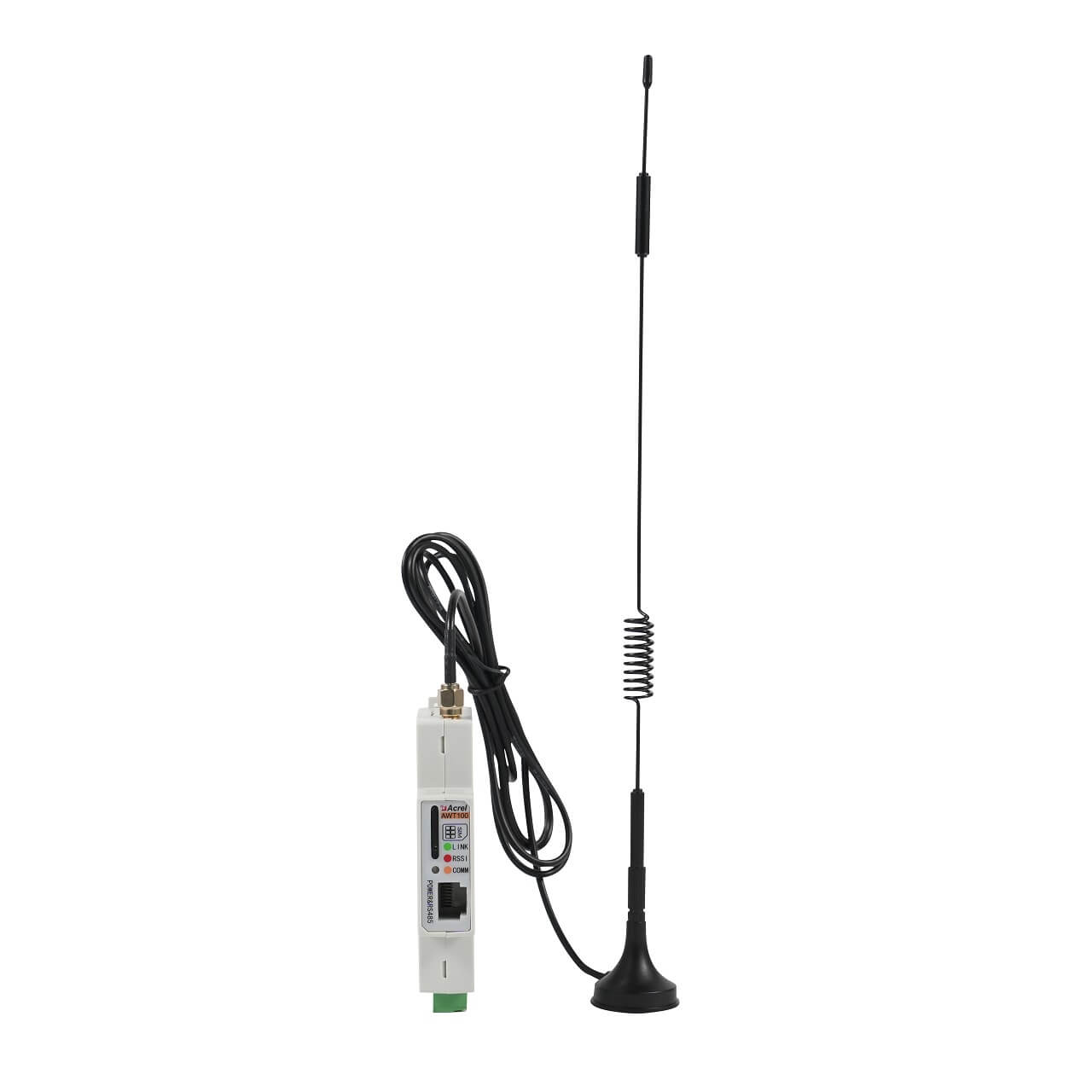
The system can use RS485 with Modbus-RTU, Ethernet with Modbus TCP, RJ45 daisy-chain communication, or LoRa wireless communication. This flexibility supports new projects and retrofit applications.
Integration With Existing Management Platforms
Data can be displayed locally and transferred to power and environment monitoring systems. Integration with SCADA, EMS, BMS, and PLC platforms allows the busway monitoring system to display temperature alongside other facility parameters.
Recommended Busway Temperature Monitoring System Architecture
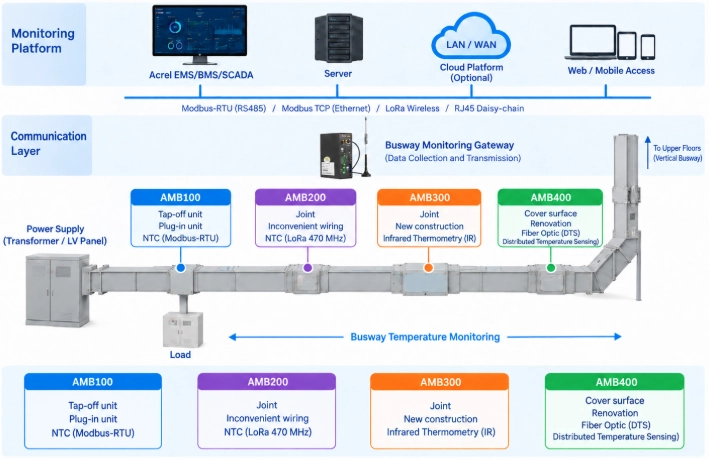
Data Acquisition Layer
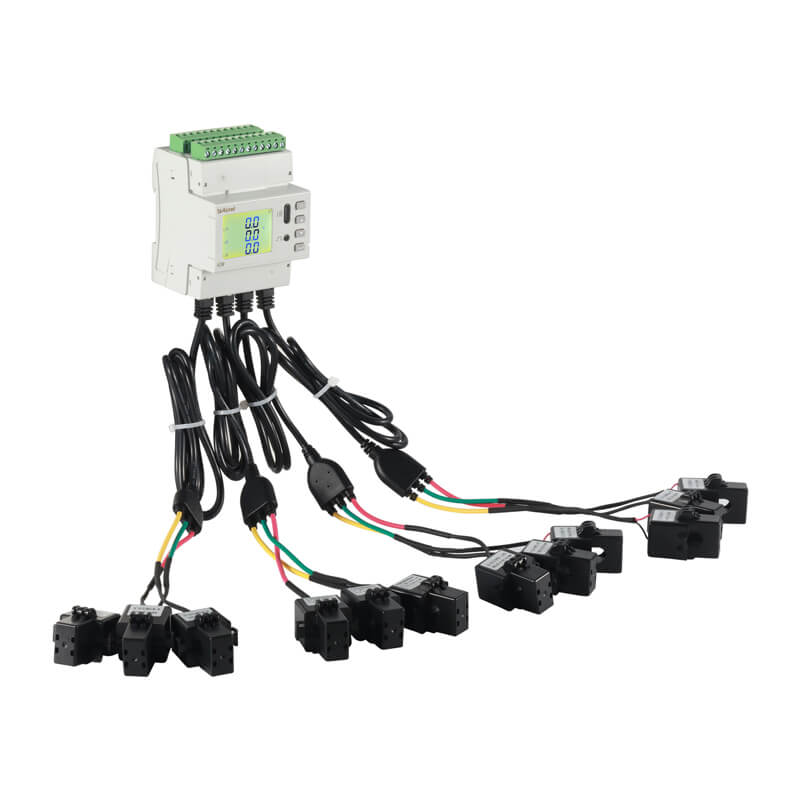
The AMB100 monitors electrical parameters and plug temperature in busway tap-off and end-feed boxes. The AMB300 measures extension-joint temperature through infrared sensing. The AMB400 provides distributed fiber-optic temperature monitoring along extended, vertical, or difficult-to-access routes.
Communication and Integration Layer
Field devices communicate through Modbus-RTU over RS485 or Modbus TCP over Ethernet. Ethernet daisy-chain wiring simplifies connections, while LoRa supports suitable wireless installations. An AMB collector aggregates AMB300 data. The architecture operates as a busway monitoring system with Modbus TCP, transferring data to an upper-level platform.
Monitoring and Alarm Layer
The monitoring layer provides real-time temperature displays, alarm thresholds, event records, and historical trends. Operators can locate abnormal sections, evaluate operating conditions, and coordinate maintenance.
Key Components of a Busway Temperature Monitoring System
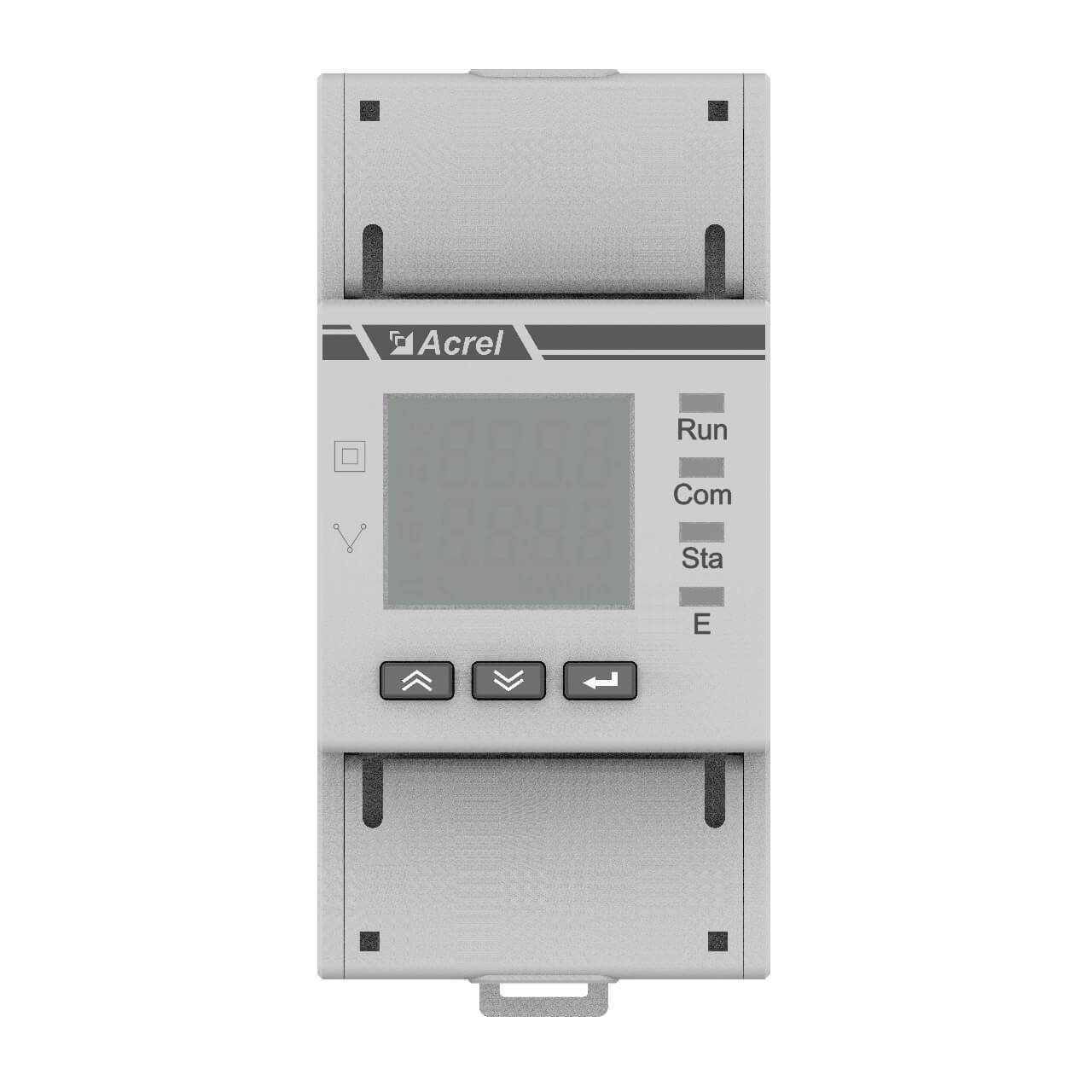
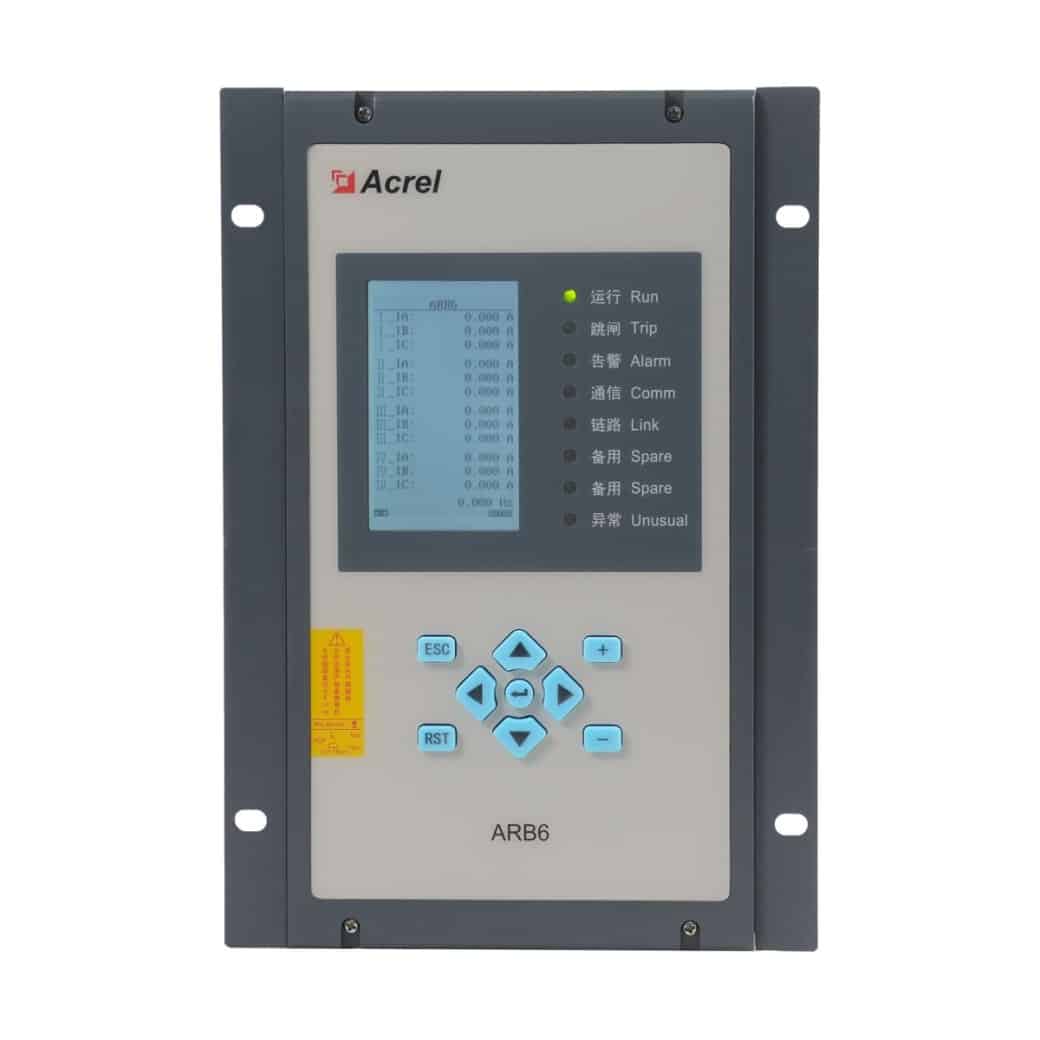
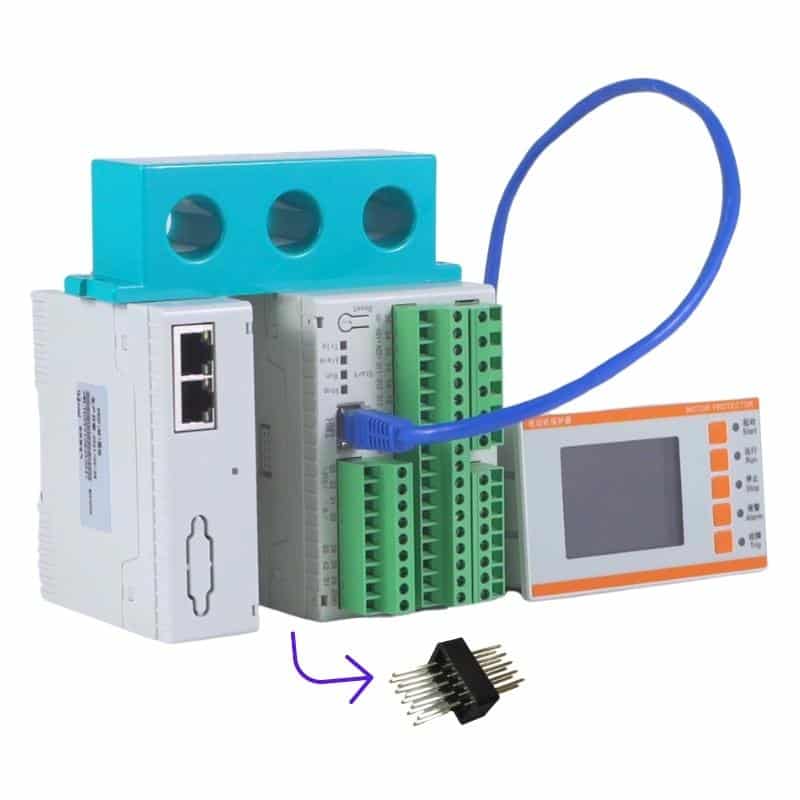
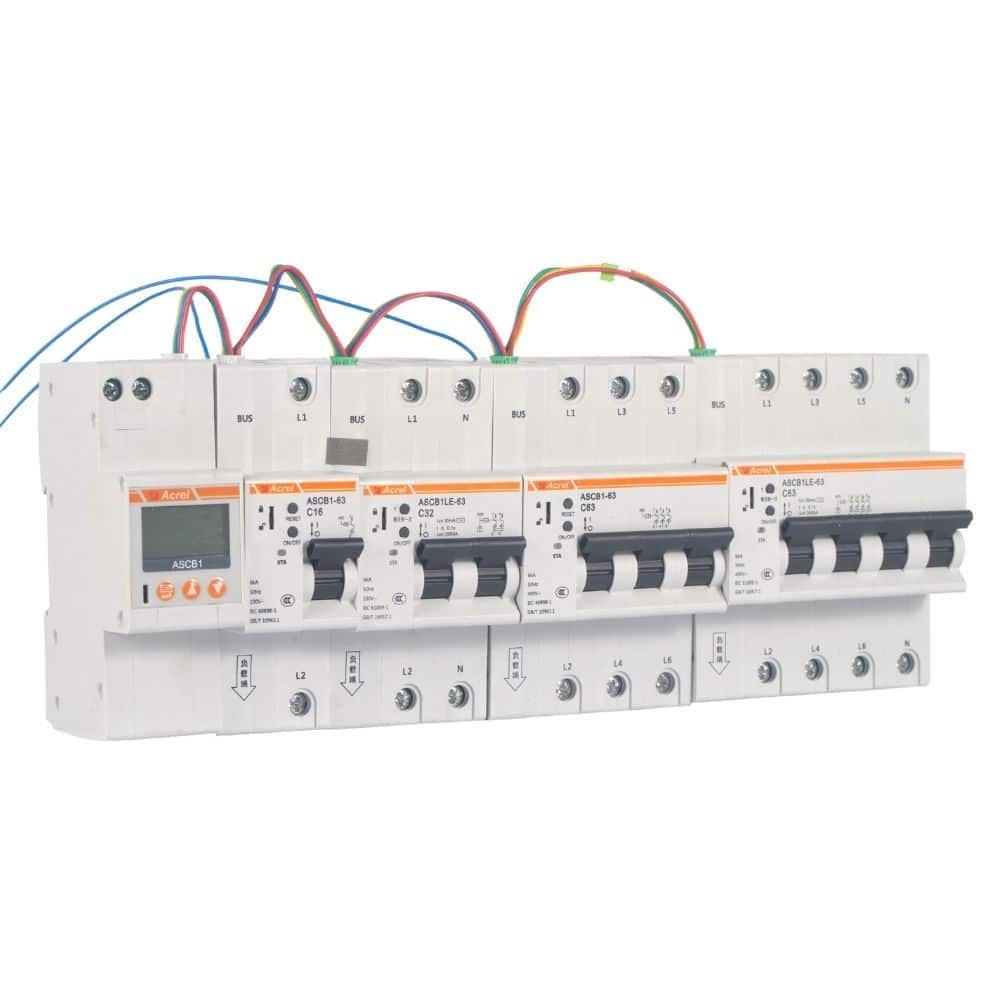
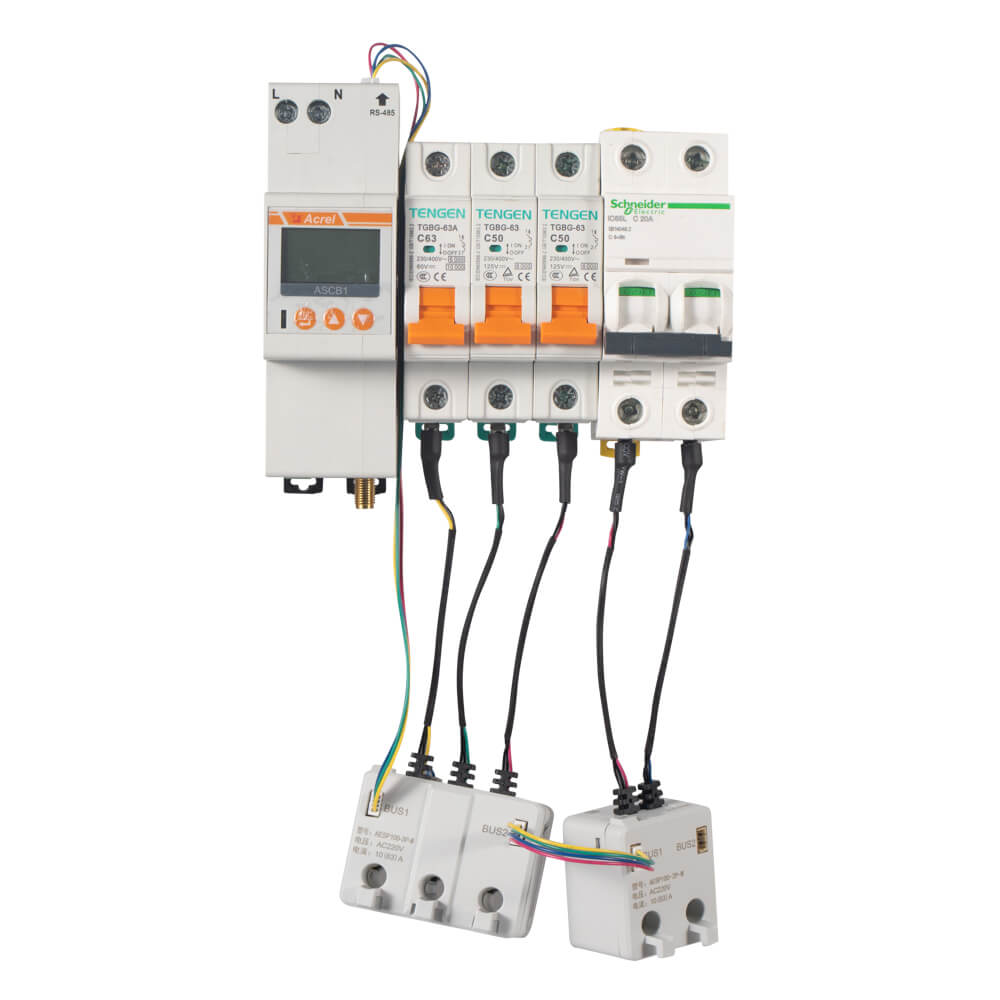
The final product selection depends on the busway application, monitoring location, sensing method, wiring conditions, and project requirements. AMB100, AMB200, AMB300, and AMB400 are designed for different busway monitoring scenarios and do not all need to be installed in the same project.
AMB100 Busway Monitoring Module
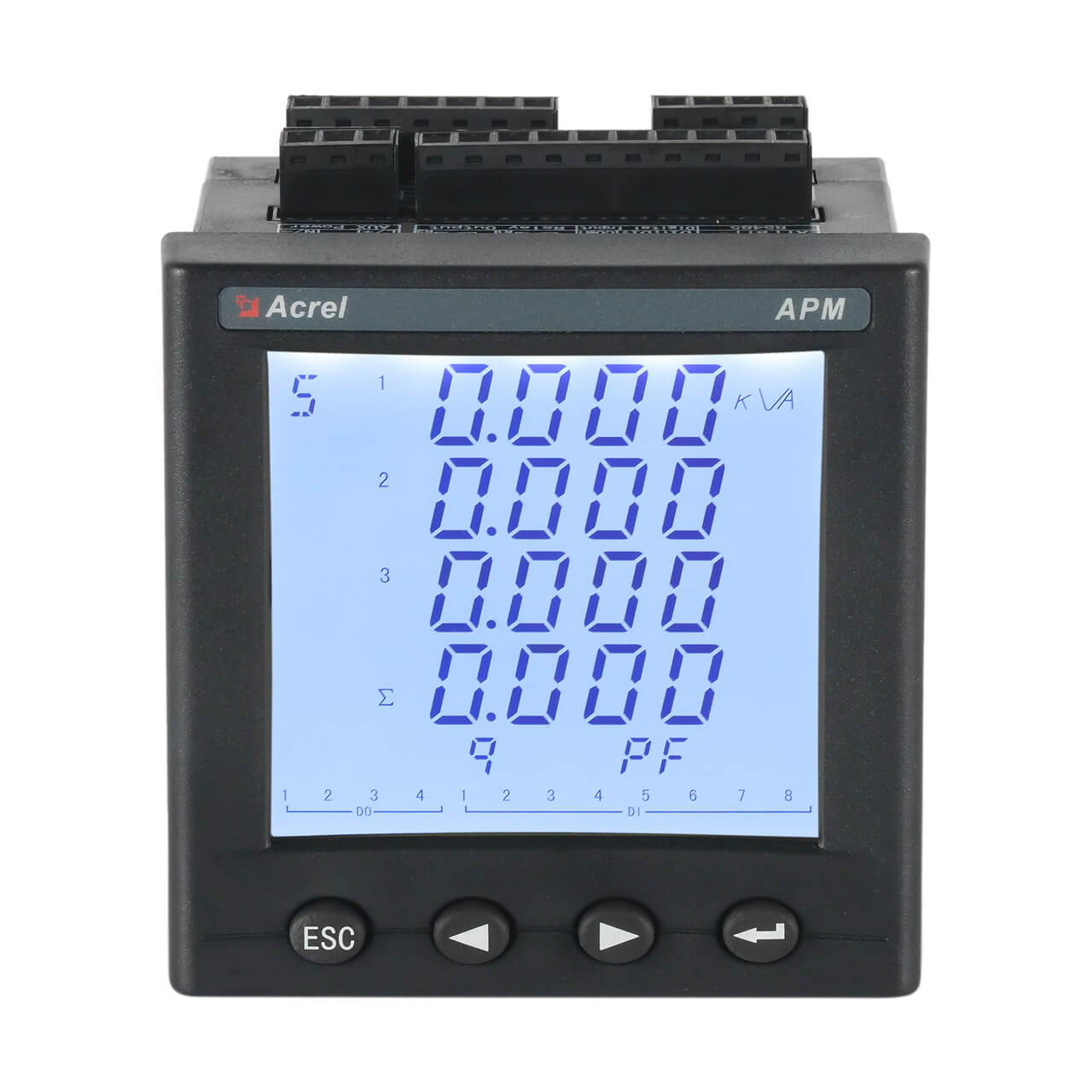
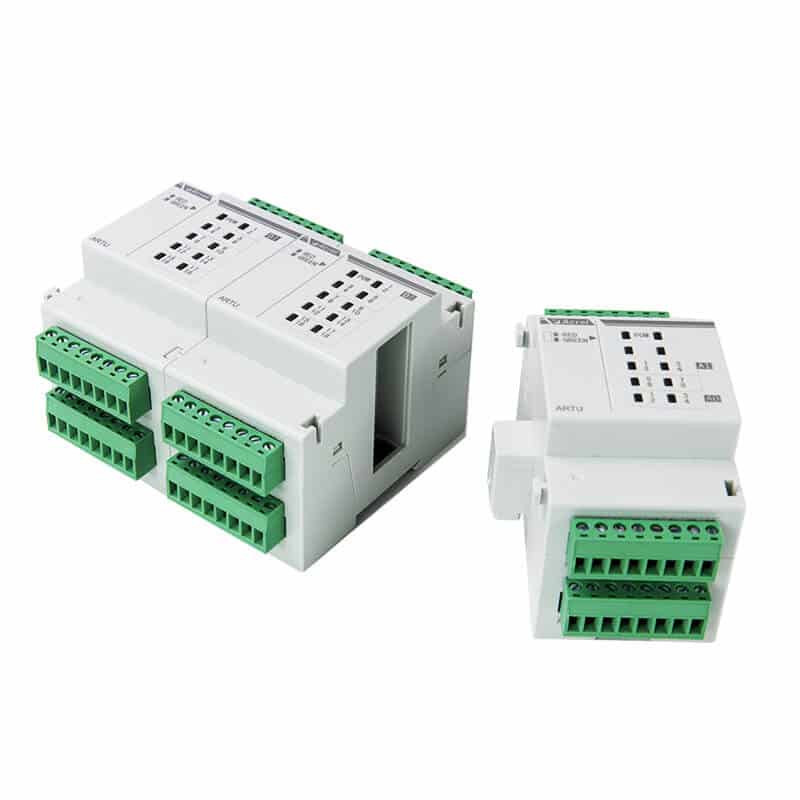
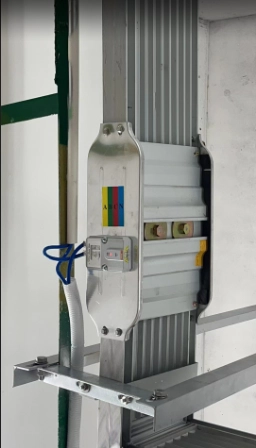
The AMB100 is designed for data center busway tap-off and plug-in unit monitoring. It monitors electrical parameters, energy consumption, temperature, and humidity, and uses NTC temperature sensing with Modbus-RTU communication.
AMB200 Contact Temperature Sensor
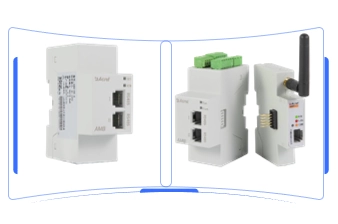
The AMB200 is a contact temperature monitoring unit for busbar joints. Its high-precision probes are inserted directly into the busbar joint to measure busbar temperature and humidity in real time. It supports wired or LoRa wireless networking and is suitable for locations where wiring is inconvenient.
AMB300 Infrared Busway-Joint Temperature Module
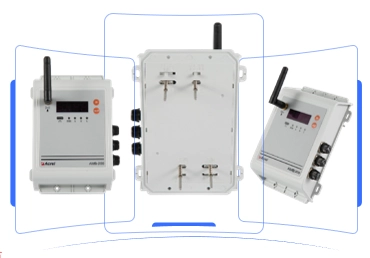
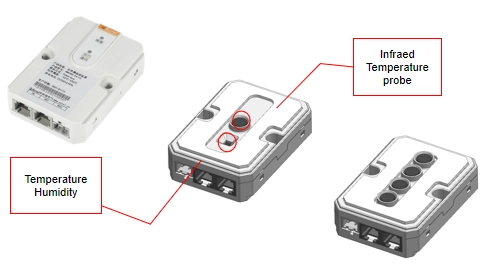
The AMB300 is designed for joint monitoring in new building busway installations. It uses infrared thermometry for non-contact monitoring of busway connection points and provides continuous real-time temperature monitoring, high-temperature early warning, and configurable alarm thresholds.
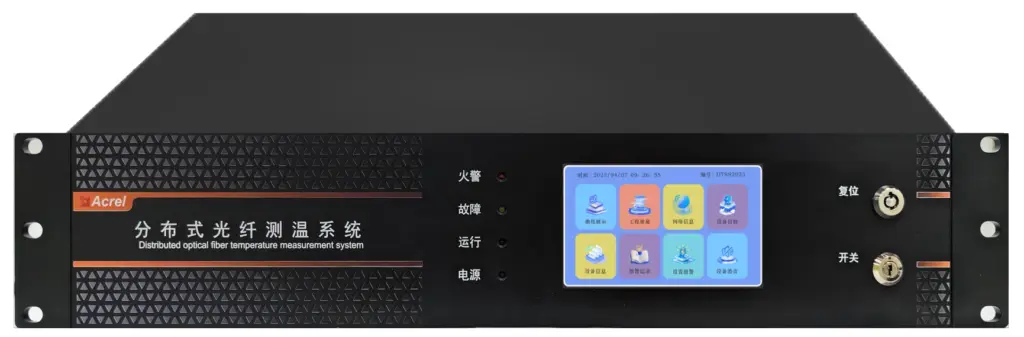
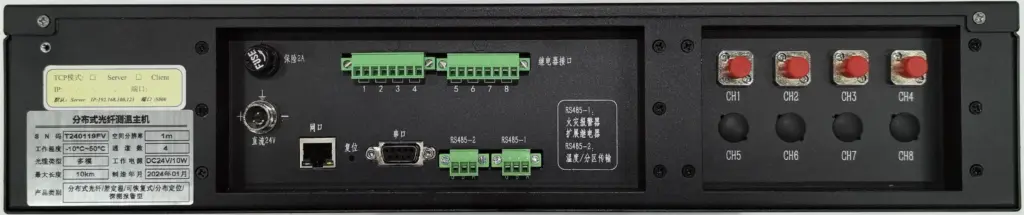
AMB400 Distributed Fiber-Optic Temperature Sensing System
The AMB400 uses distributed temperature sensing (DTS) fiber for real-time, online, multi-point temperature monitoring along the busway surface. It is suitable for renovation and retrofit projects and can accurately locate temperature anomaly points along the sensing fiber.
AMB Collector and Local Touchscreen
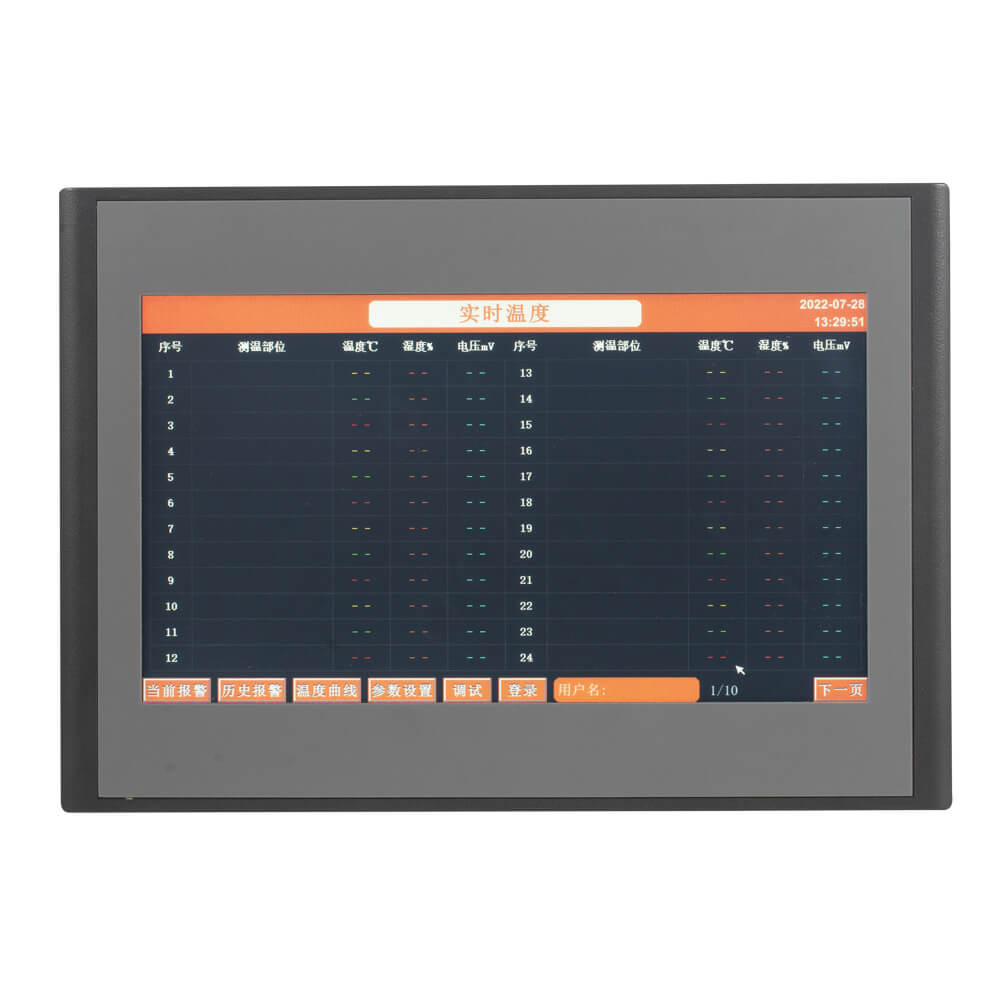
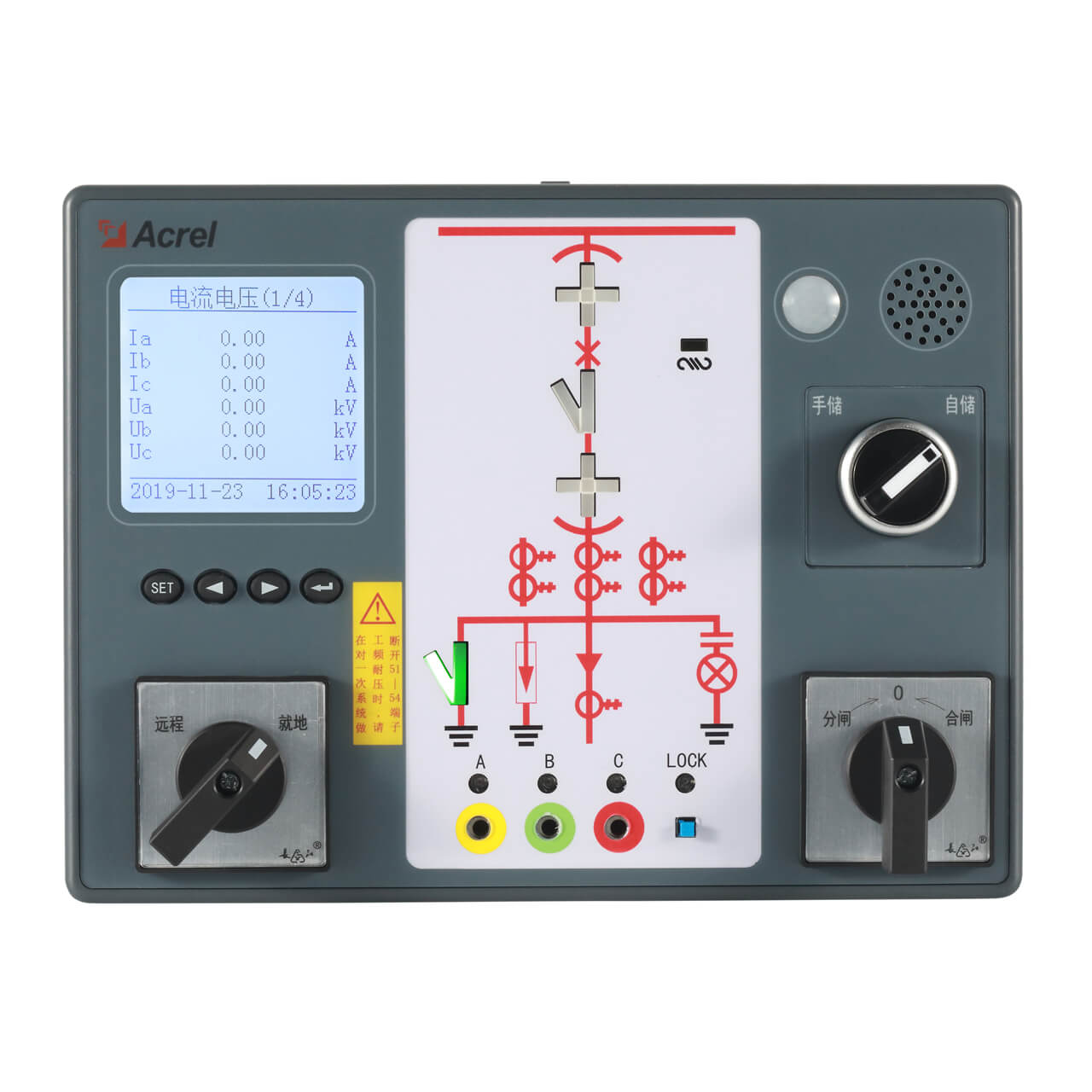
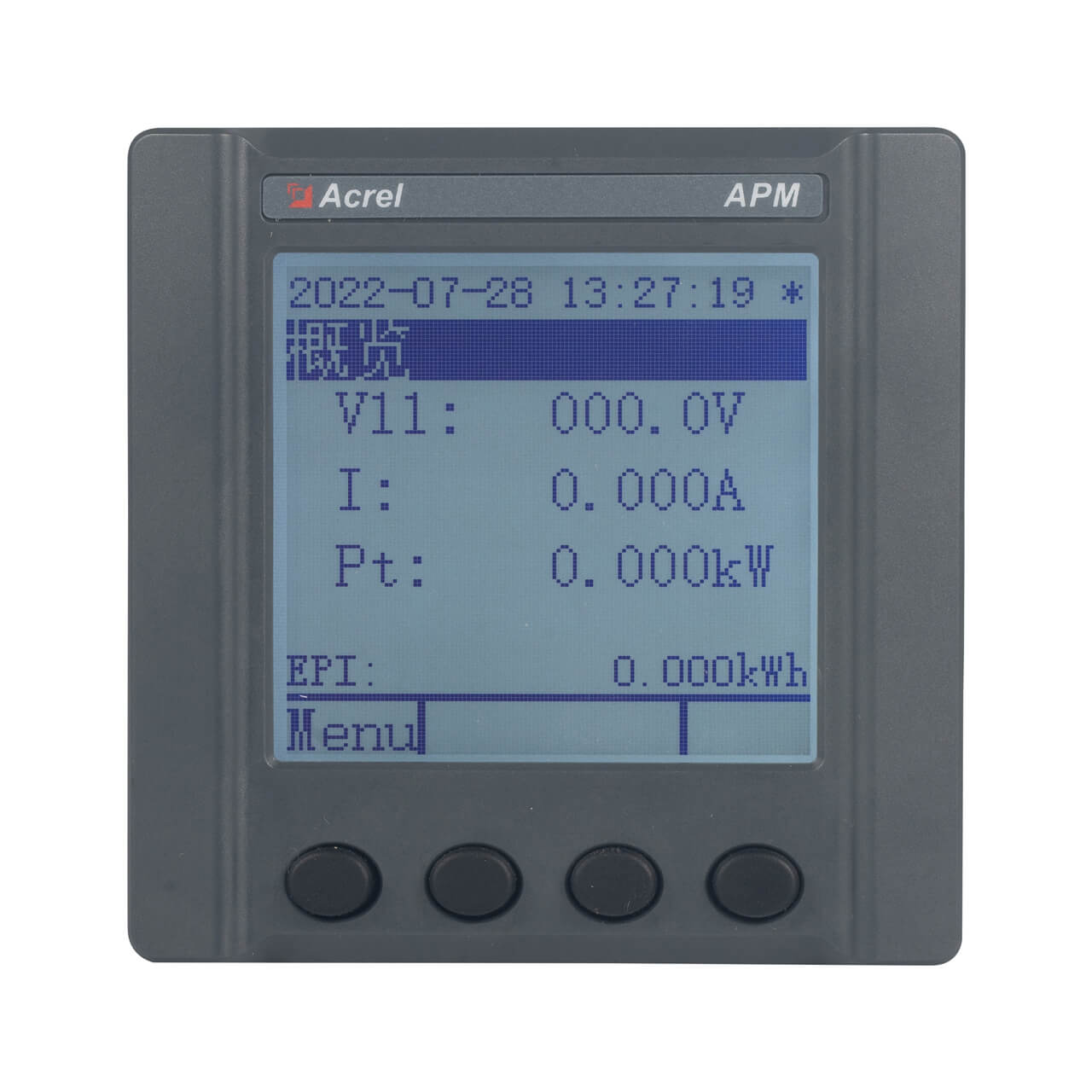
Data acquisition devices collect monitoring data from field modules, while the local HMI provides centralized display of operating parameters and alarm information.
Monitoring Software
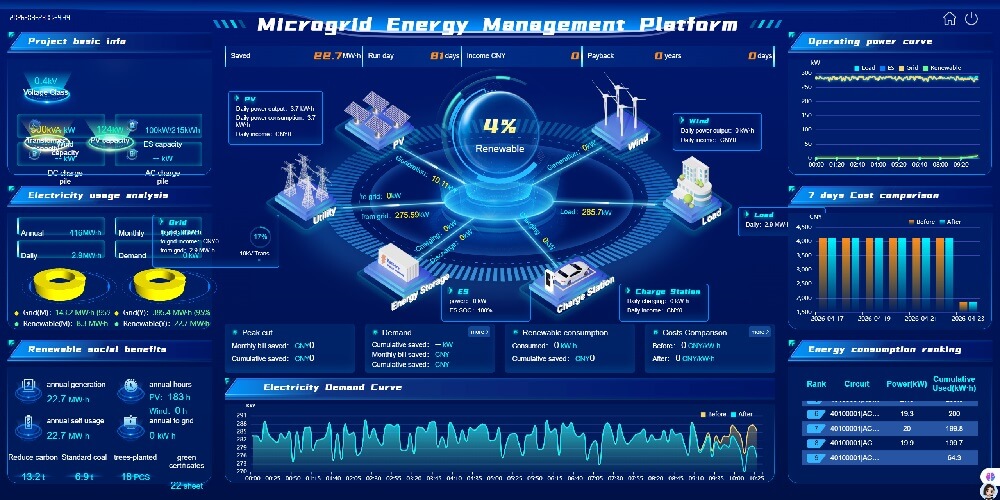
The monitoring platform provides centralized visualization of busway operating data and alarm information. Field data can be transmitted through the HMI or gateway to an upper-level monitoring platform for centralized management.
Typical Applications for Busway Temperature Monitoring
Data Centers
Data centers use high-density busways to supply IT racks. A complete busway monitoring system for data centers integrates temperature monitoring, electrical measurement, and alarm management. It tracks joint temperature, plug temperature, current, and alarm status in 2N and other high-availability systems.
A busway temperature monitoring solution for data centers combines electrical-parameter monitoring with joint and plug-temperature supervision.
Semiconductor, PV and Lithium Battery Plants
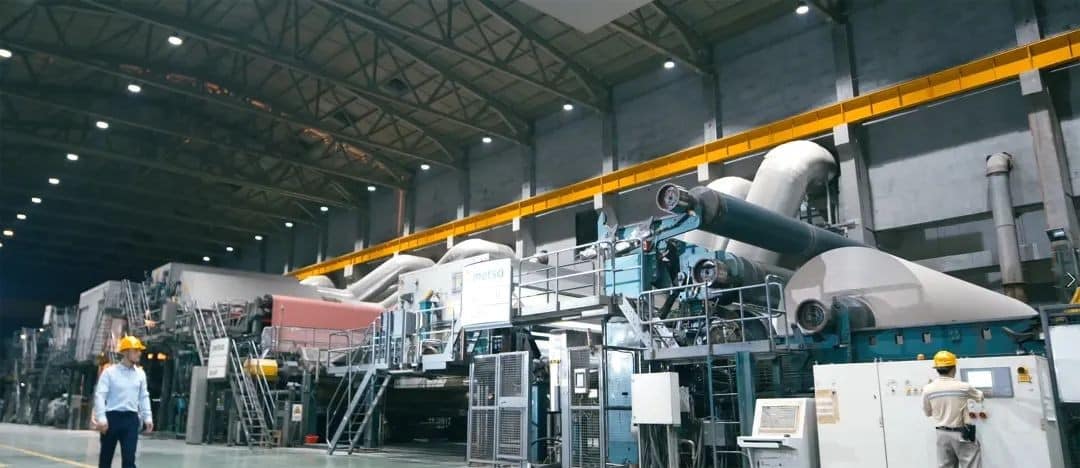
These facilities operate continuously and contain high-load electrical sections. Infrared or distributed fiber-optic temperature monitoring helps detect overheating before it affects production, equipment, or safety.
Hospitals and High-Rise Buildings
Hospitals and high-rise buildings may contain vertical and horizontally distributed busways. Distributed fiber-optic sensing provides visibility across difficult-to-access routes while reducing shutdown-based inspections.
Industrial and Livestock Facilities
In multi-floor facilities, centralized temperature data improves maintenance coordination and response. A scalable busway monitoring solution can expand as the facility grows and support future electrical distribution requirements.
Busway Temperature Monitoring Project Case Studies
Case Study 1: China Mobile Dongguan Data Center
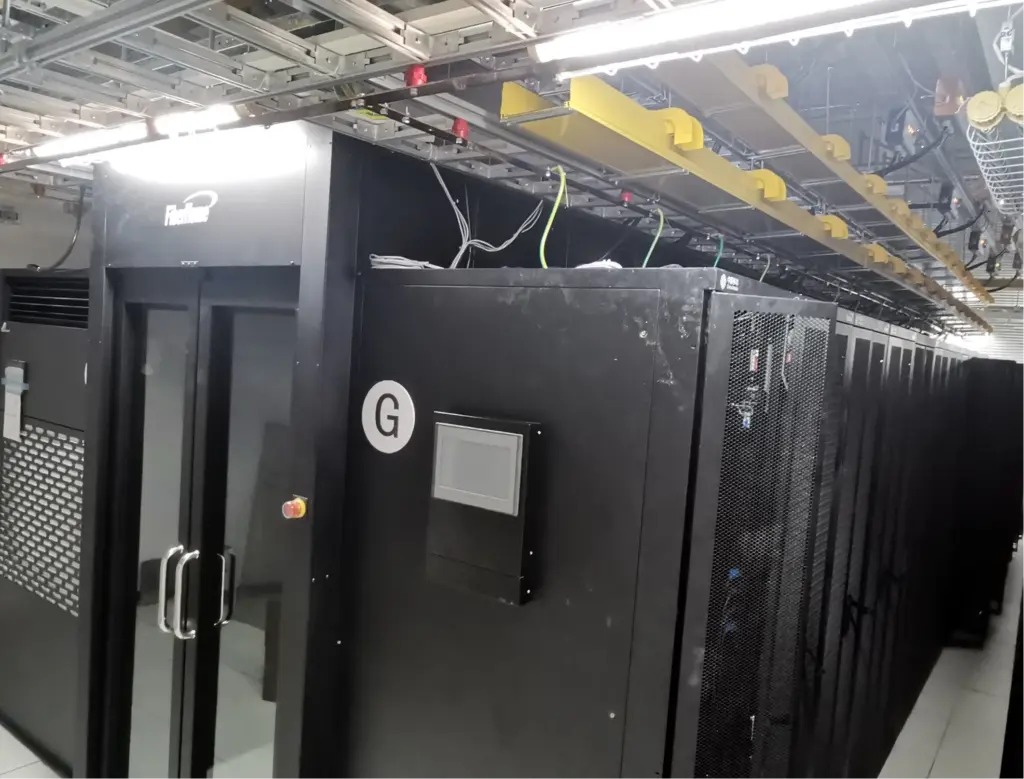
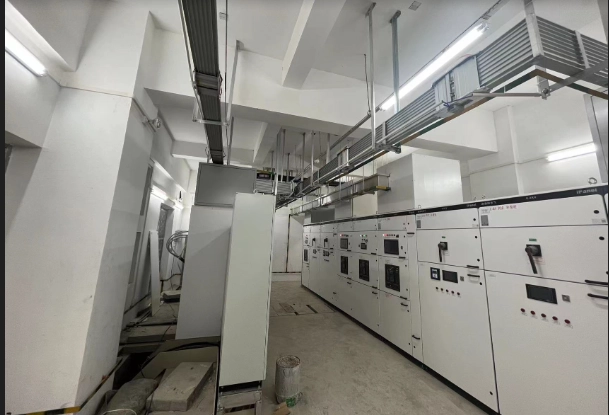
The China Mobile Dongguan Data Center in Guangdong, China, covers approximately 151,000 m² and supports about 17,000 racks. It uses dual utility feeds from separate 110 kV substations and follows a T3+ / China Class A standard with 2N architecture.
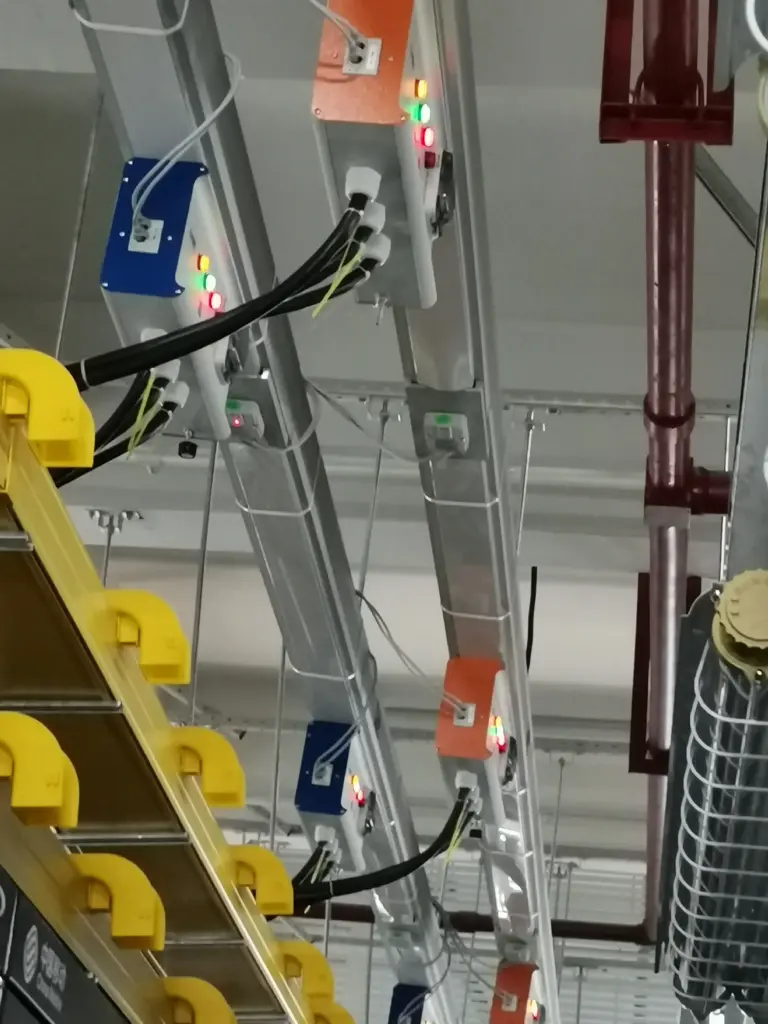
Each cold-aisle IT rack is supplied by four small busways. AMB100 modules were installed in end-feed and tap-off boxes to collect electrical and plug-temperature data. AMB300 modules were installed at extension joints to monitor joint temperature.
Ethernet daisy-chain communication connects the modules. An AMB collector aggregates AMB300 data, while a local touchscreen connects to the power and environment monitoring system through Modbus TCP. This creates a reliable busway monitoring system for data centers for centralized electrical, plug-temperature, and joint-temperature monitoring.
Case Study 2: Nansha 17-Story Livestock Facility
The Nansha 17-story livestock facility required busway monitoring across multiple floors. Monitoring devices were installed at key busway sections and joints, with field data transferred through local collection equipment to a centralized platform.
The project demonstrates how busway temperature monitoring improves visibility in a tall, distributed facility. It reduces reliance on manual inspection, supports faster identification of abnormal temperatures, and helps maintenance teams coordinate work across multiple floors.
Busway Temperature Monitoring FAQ
A: It continuously measures critical locations such as joints and tap-off points to detect overheating early.
A: An infrared module measures a busway joint’s surface temperature without direct electrical contact, providing non-contact temperature monitoring for busway connection points.
A: AMB100 is designed for data center busway monitoring, measuring electrical parameters, energy consumption, plug-in unit temperature, humidity and leakage current. AMB200 is designed for busway joint temperature monitoring, using contact sensors directly installed at busbar joints to measure temperature and humidity. AMB300 uses infrared non-contact temperature measurement technology to continuously monitor busway connection points and provide high-temperature warnings. AMB400 provides distributed fiber-optic temperature sensing (DTS), enabling real-time multi-point temperature measurement and precise location of abnormal hot spots along the sensing fiber.
A: Yes. The system supports retrofit projects through flexible sensing options, including LoRa wireless communication and distributed fiber-optic temperature sensing. Modbus-RTU and Modbus TCP enable monitoring data to be integrated with existing SCADA, EMS, BMS, or PLC platforms.
Related Busway Monitoring Resources
- HVDC 800V Busway Monitoring Solution
- Busway Temperature Monitoring Solution
- Precision Power Distribution Monitoring Solution for Data Centers
- Lead-Acid Battery Online Monitoring System
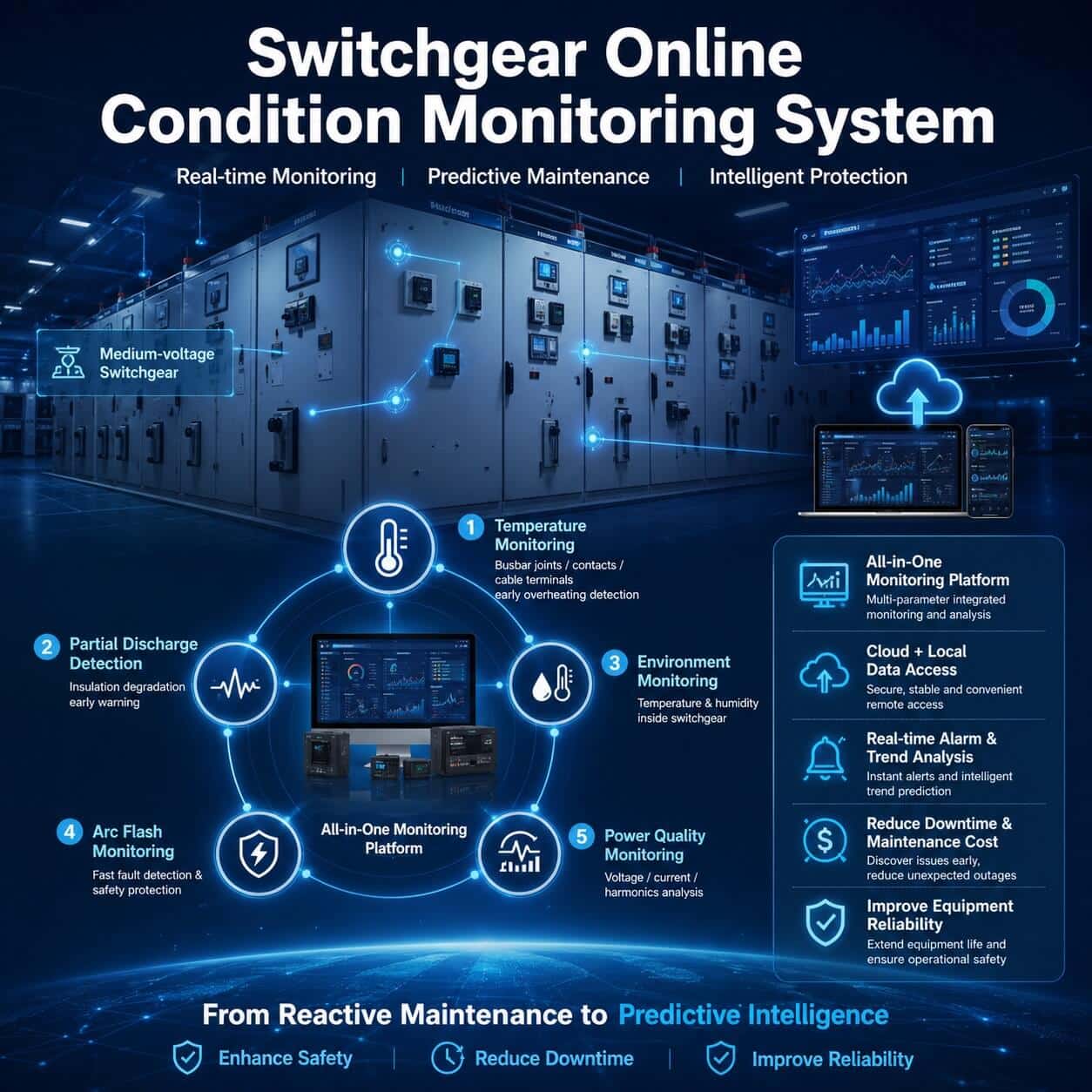
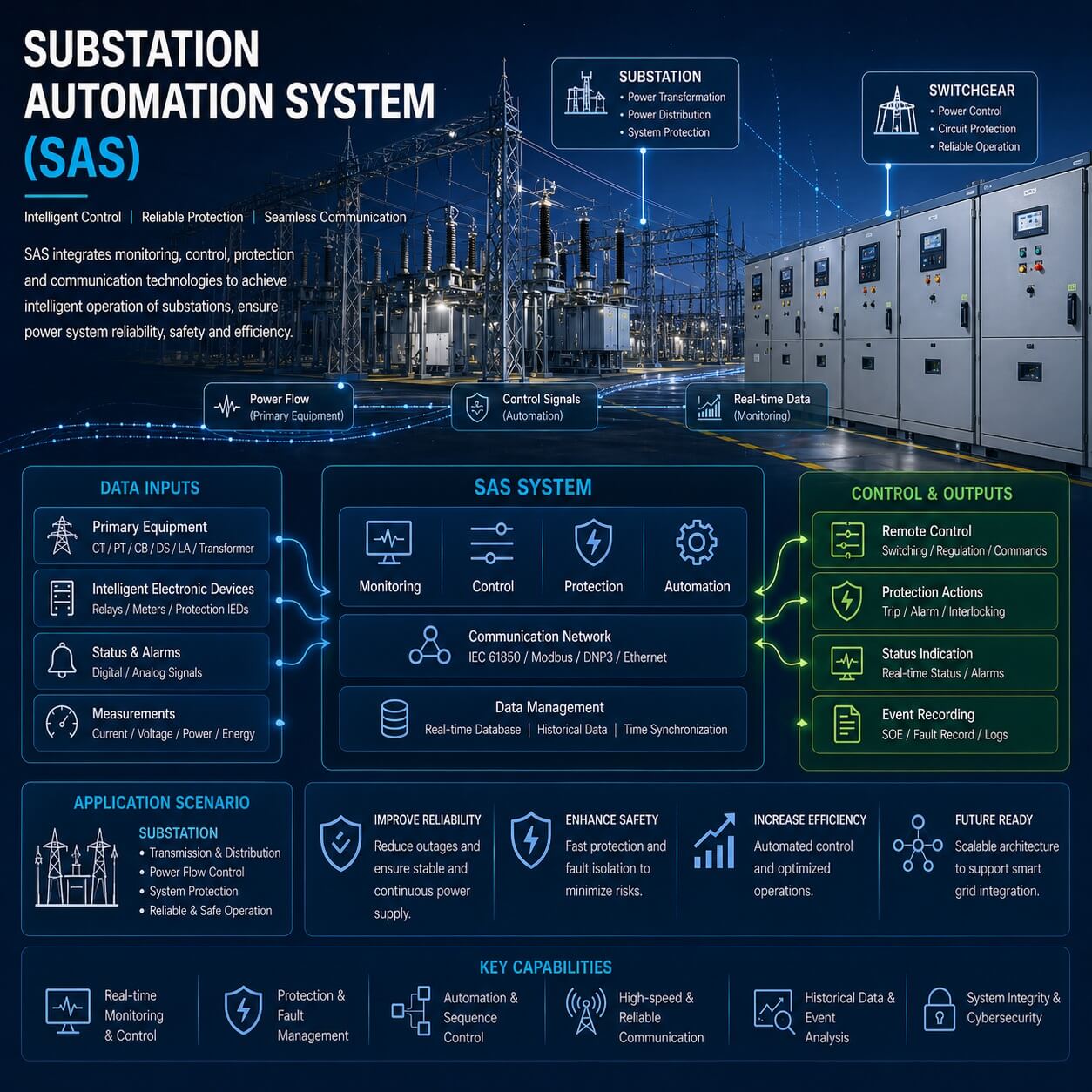
- Substation Automation System (SAS)
Conclusion: Choosing the Right Busway Temperature Monitoring Solution
A continuous busway temperature monitoring solution improves electrical safety, detects hot spots early, and reduces dependence on manual inspection. It also supports predictive maintenance for busway systems by revealing gradual temperature changes before failure.
The right busway monitoring solution depends on busway structure, monitoring points, sensing range, communication method, and the existing platform. For data centers, hospitals, manufacturing plants, and other critical facilities, Acrel can provide system design, AMB100, AMB200, AMB300, and AMB400 product selection, integration, and project consultation.