










Measurement & Metering
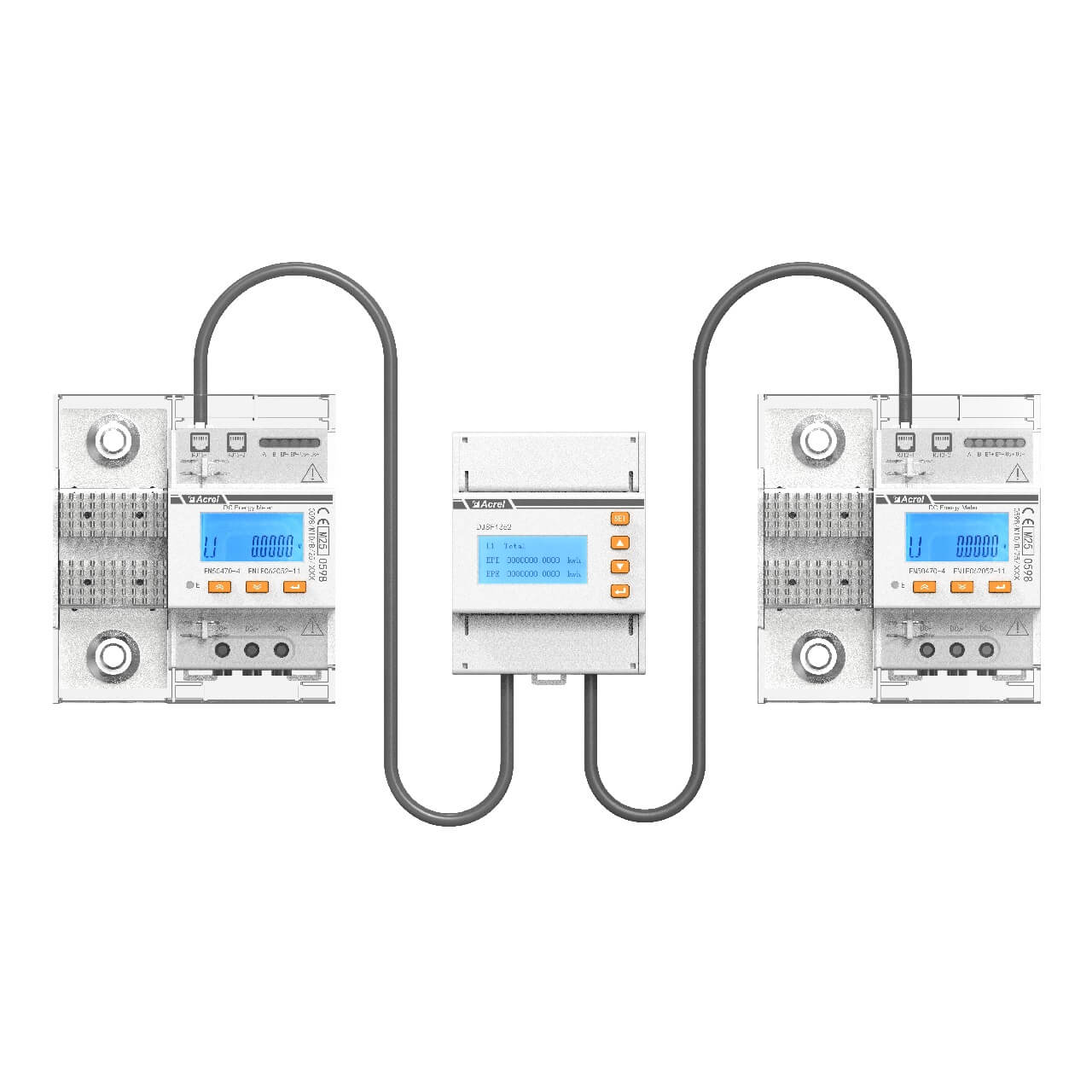
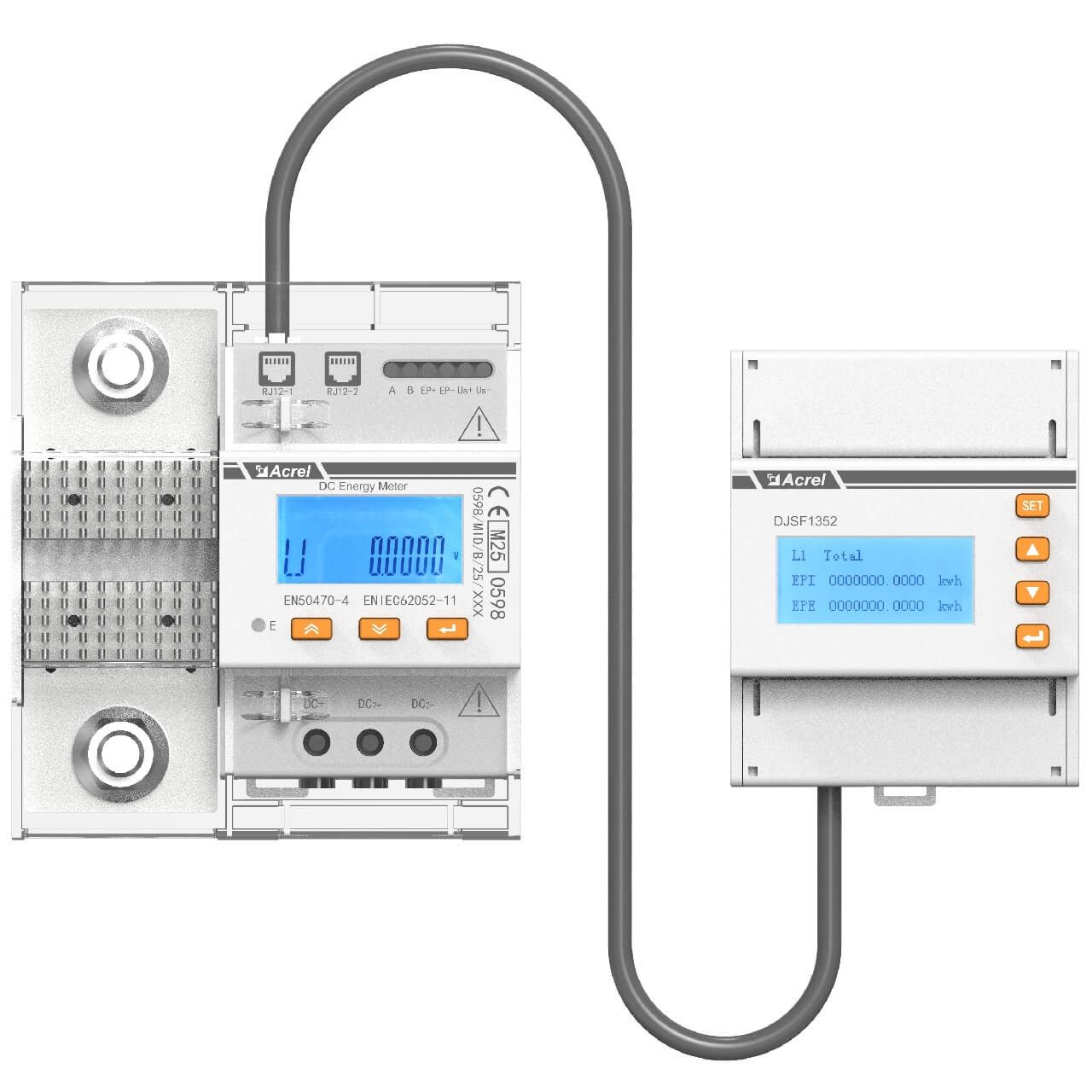
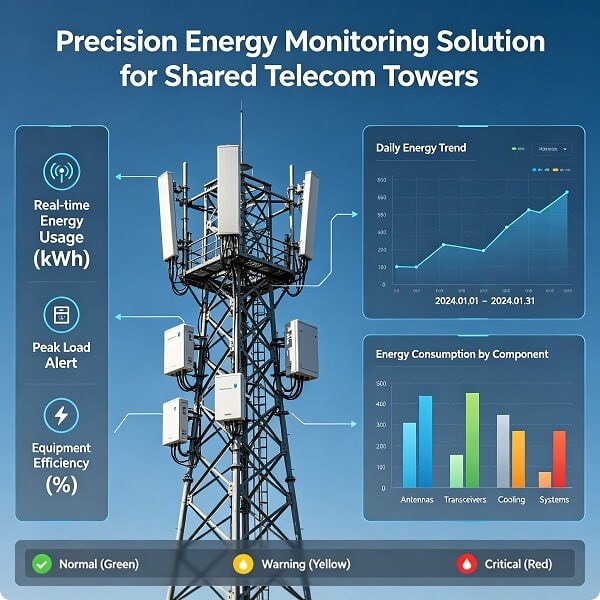
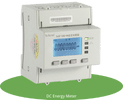
AC meters fail in DC systems. Best for EV charging, PV, & Telecom stations. Key factor: sensor compatibility (Hall/Shunt) & CE/MID. Acrel delivers pinpoint accuracy in harsh climates.
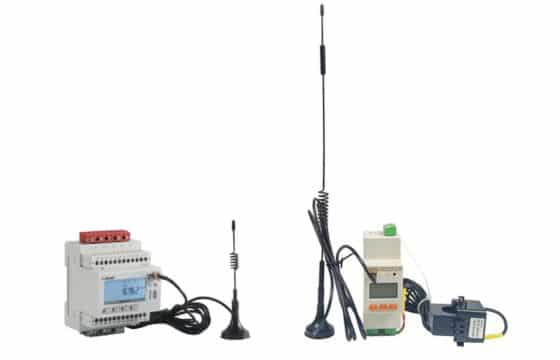
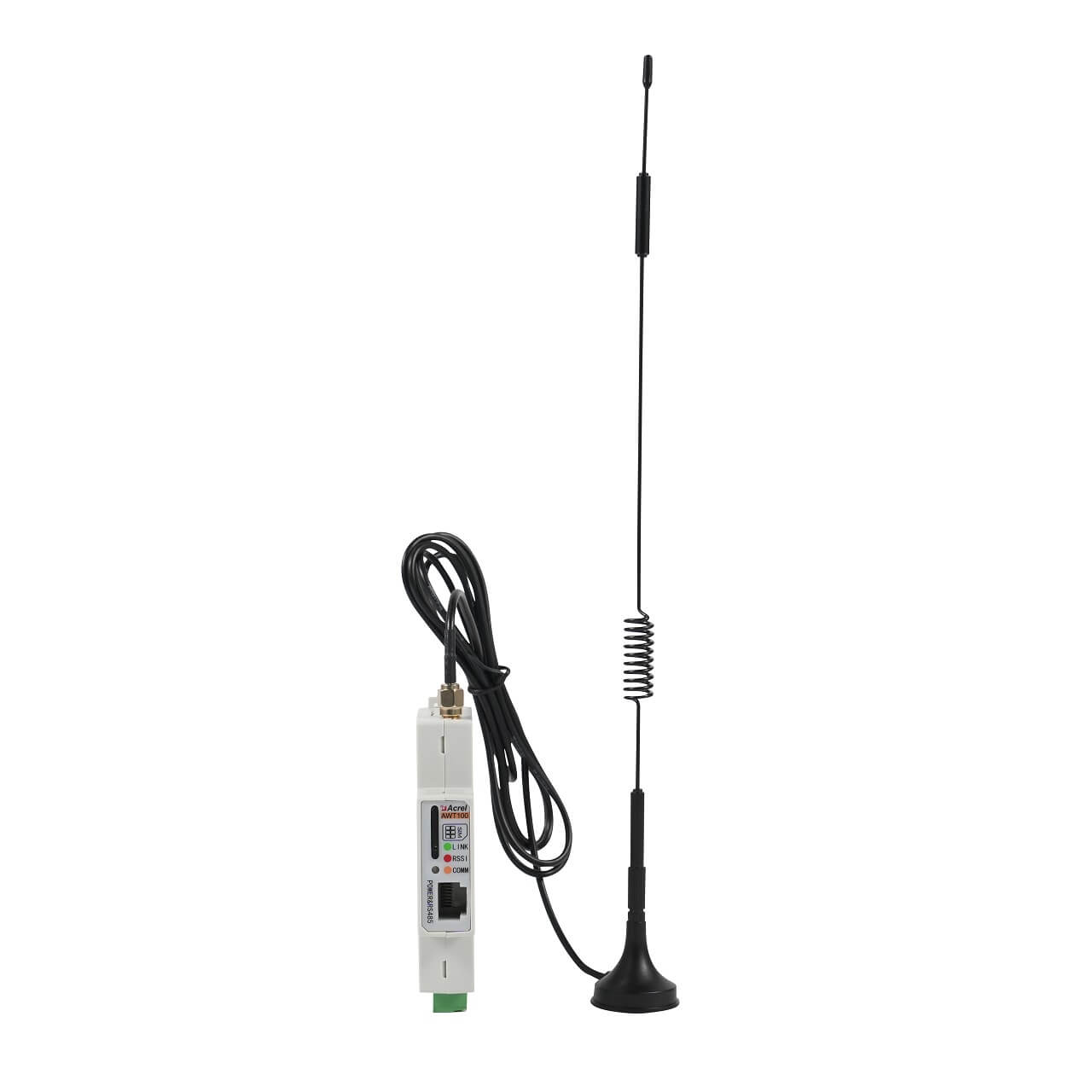
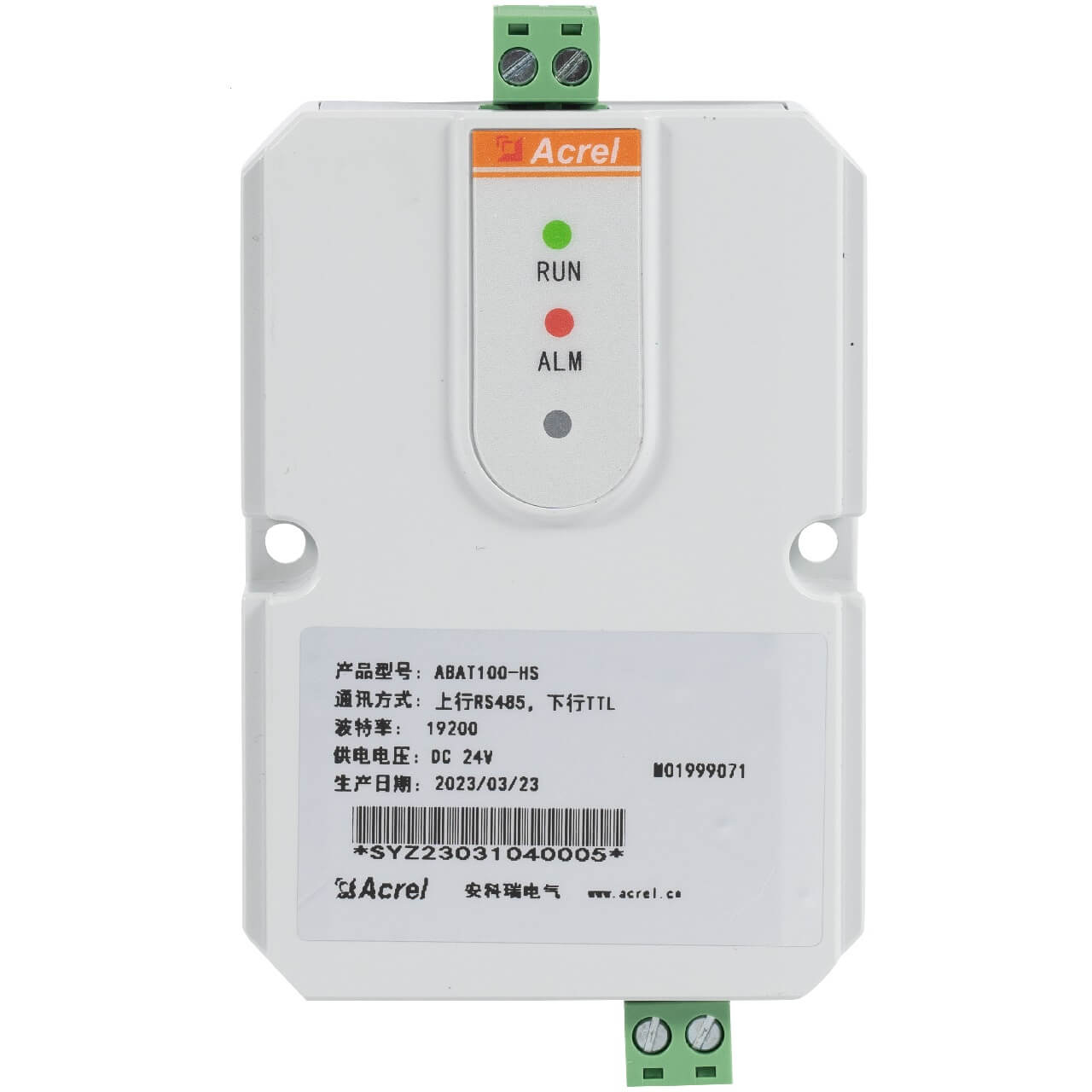
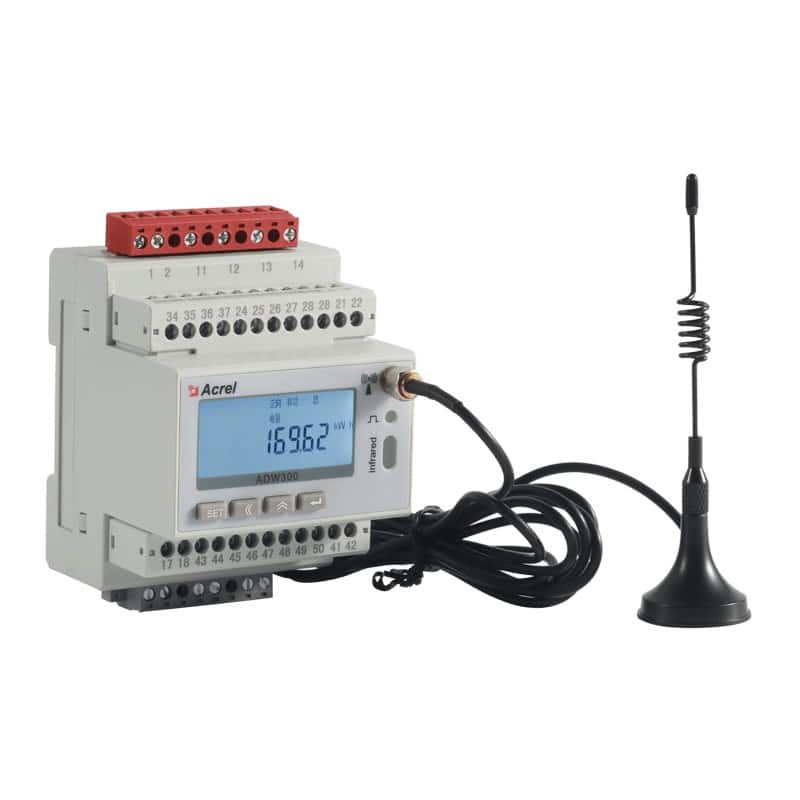
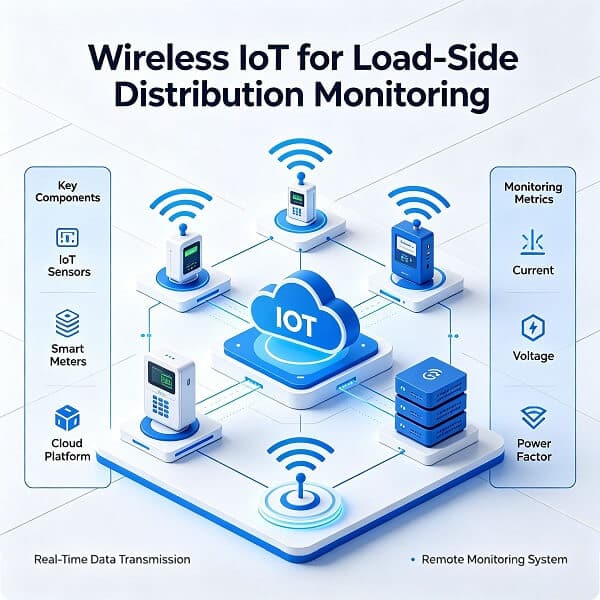
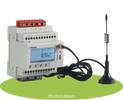
Retrofit sites lack wiring. Ideal for decentralized retail & smart parks. Key factor: stability of 4G/Wi-Fi/LoRaWAN signals. Acrel cuts installation time by 70%.
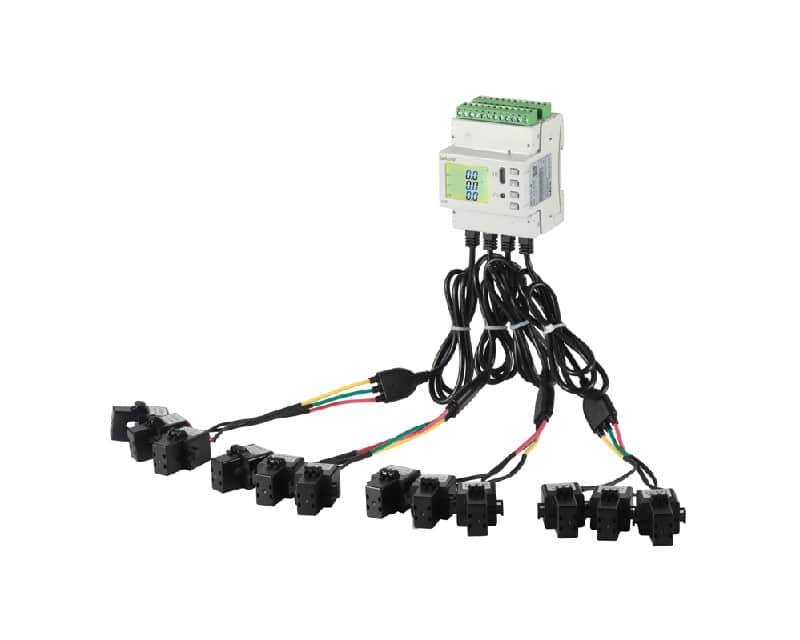
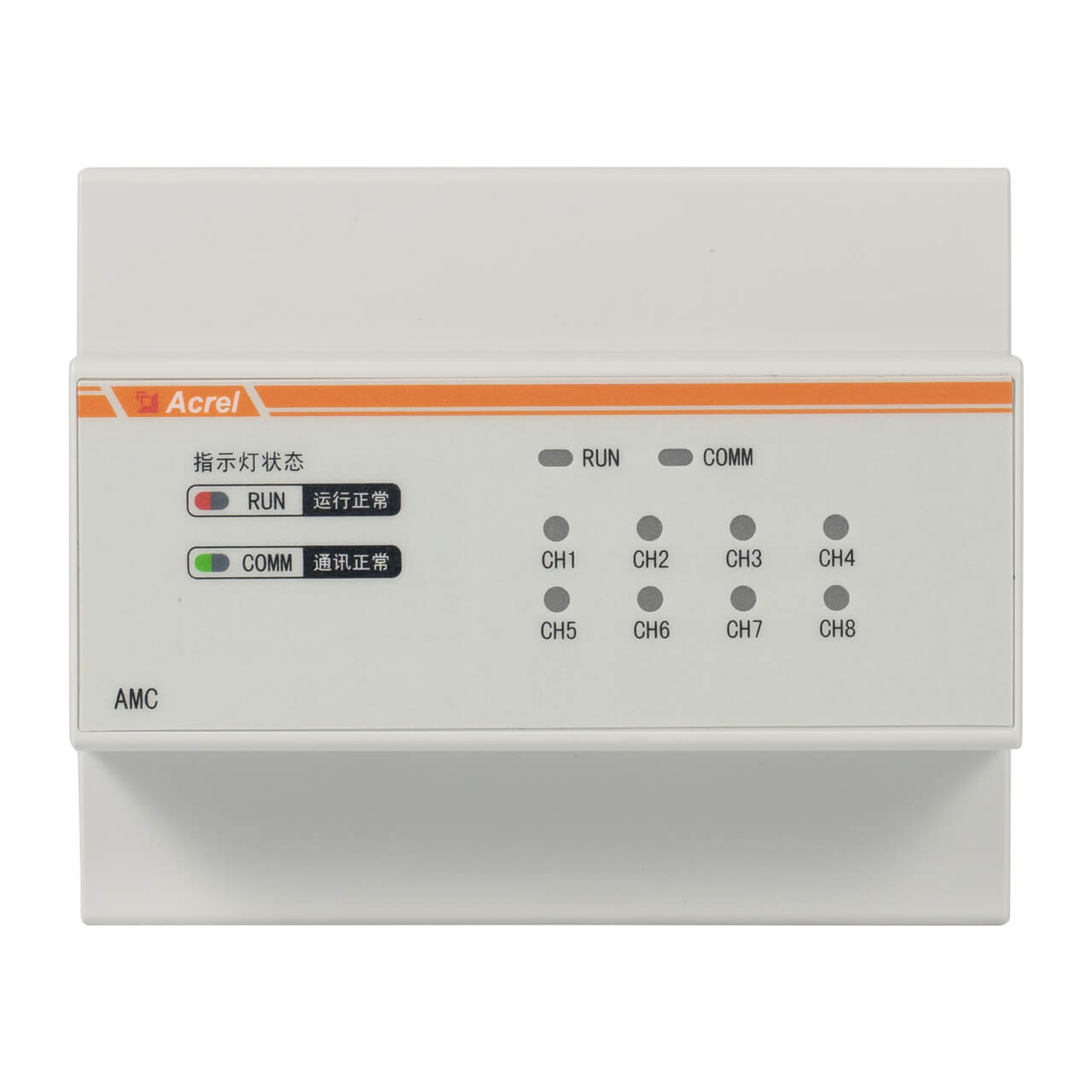
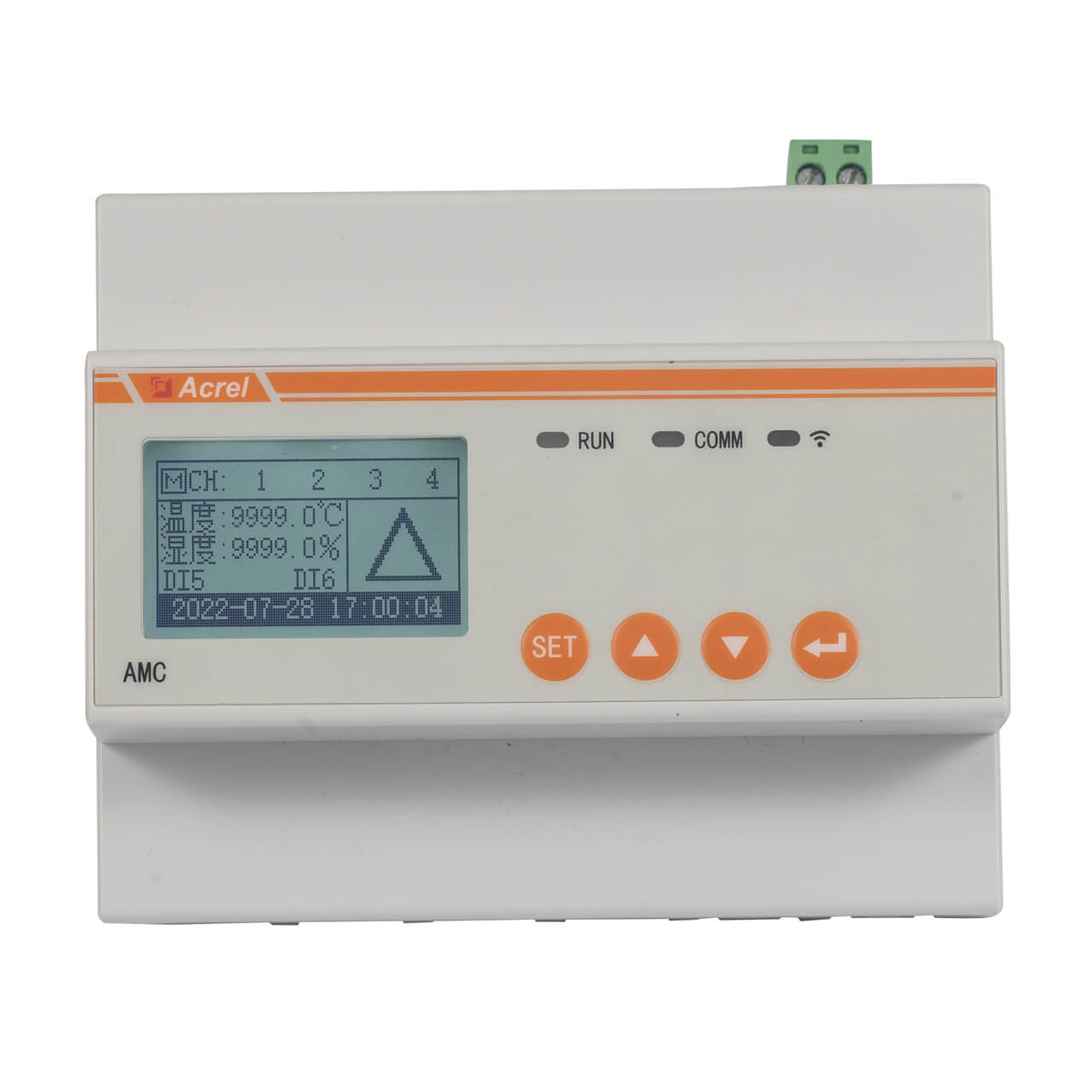
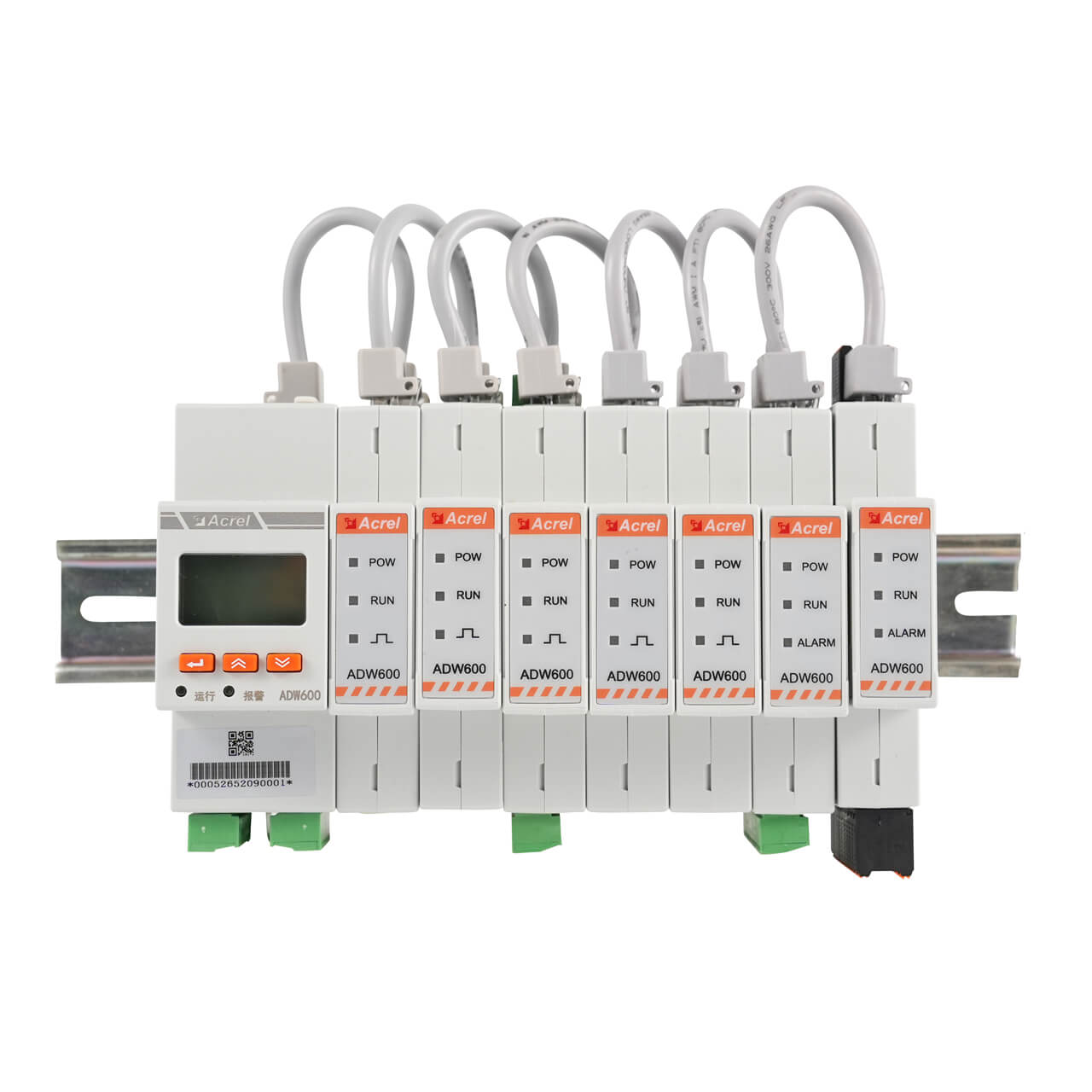
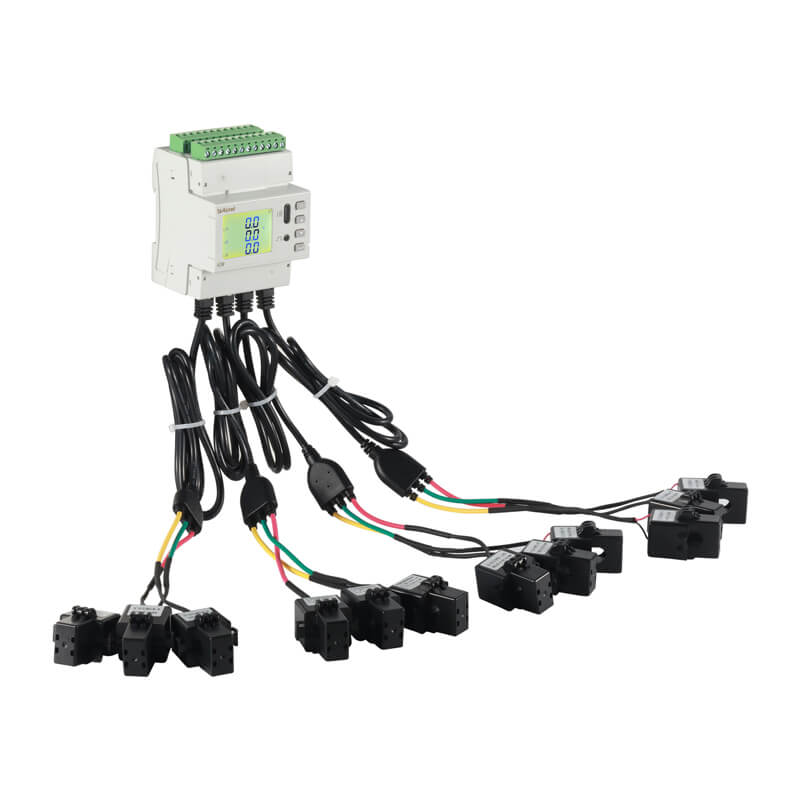
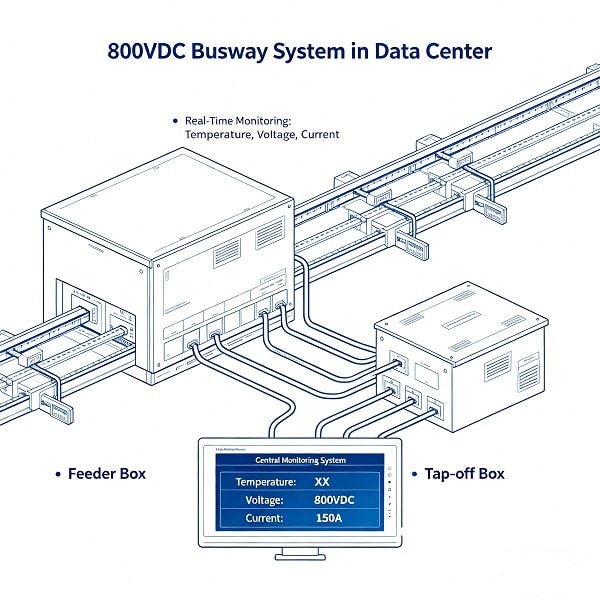
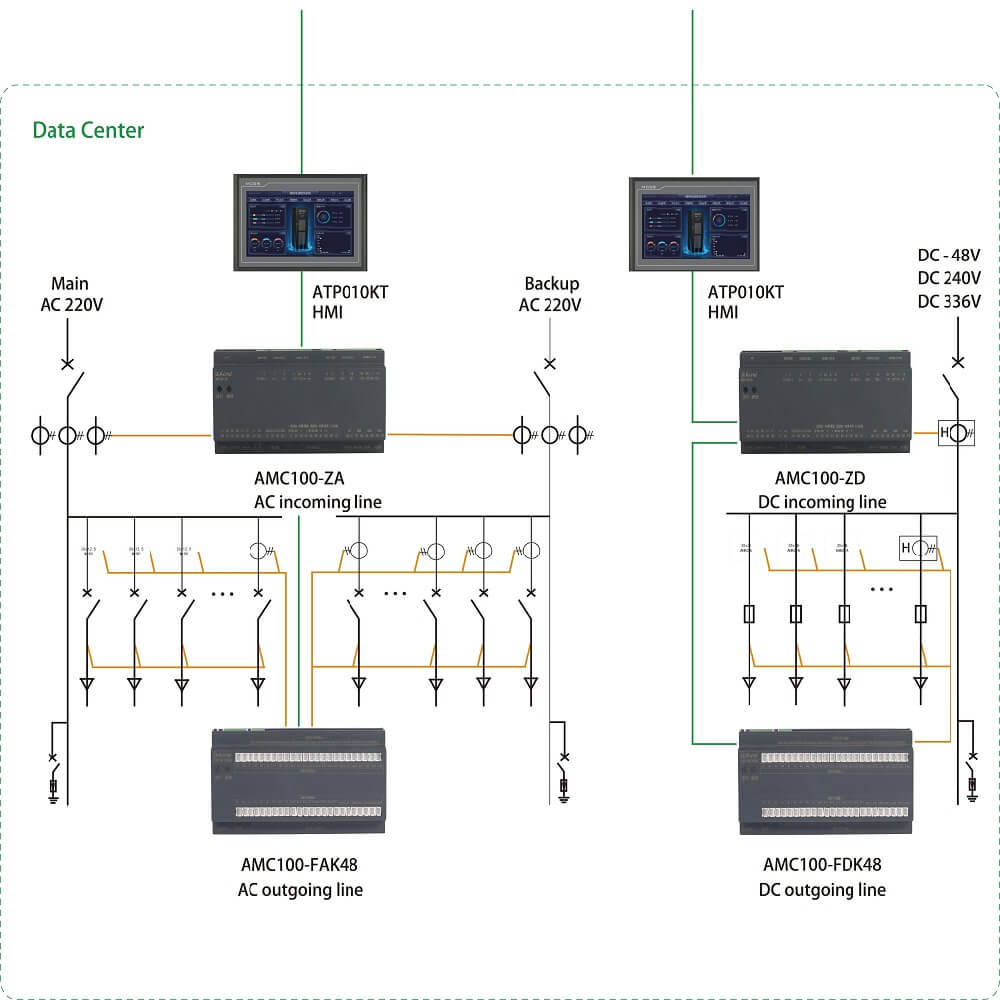
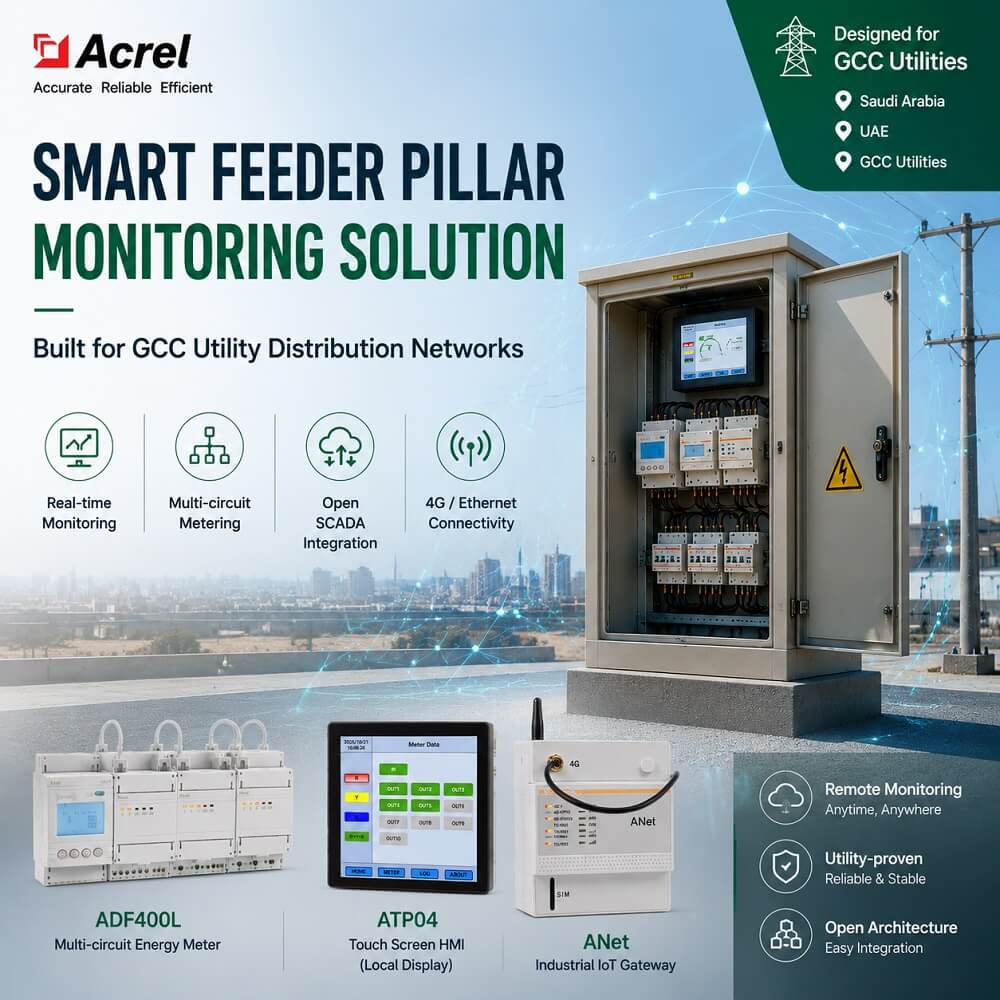
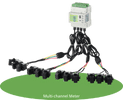
Individual meters waste space & cost. Ideal for data center PDU & sub-metering. Key factor: channel flexibility & space saving. Acrel monitors dozens of circuits in 1 device.
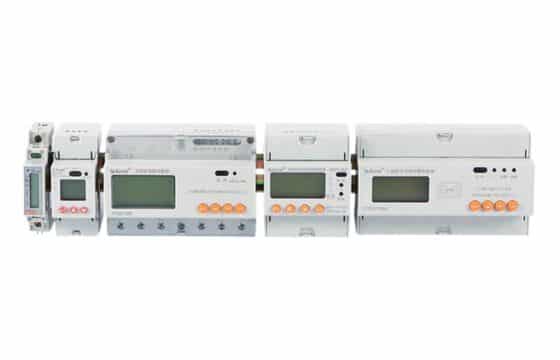
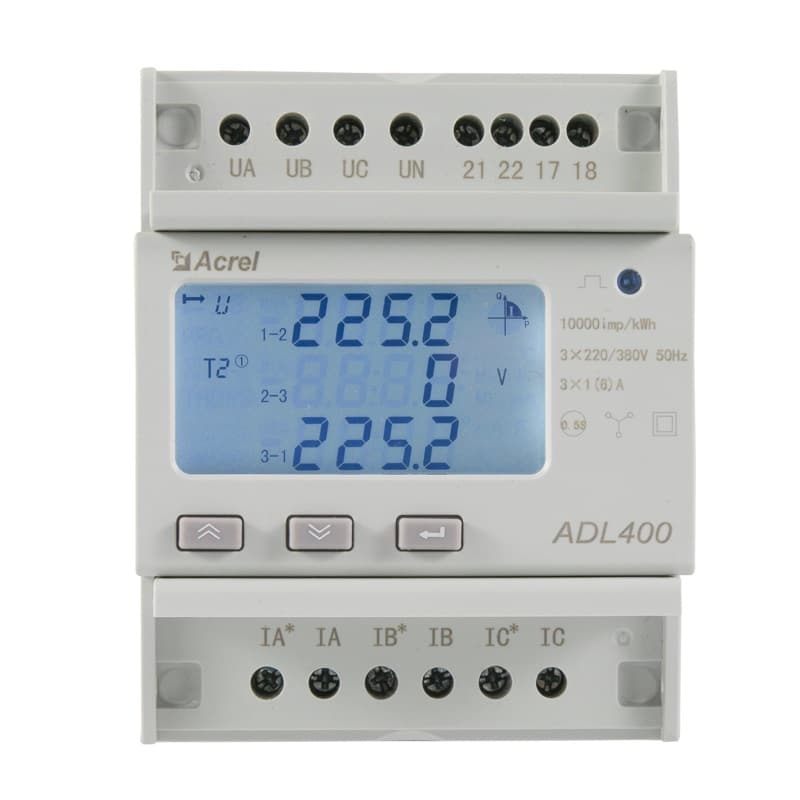
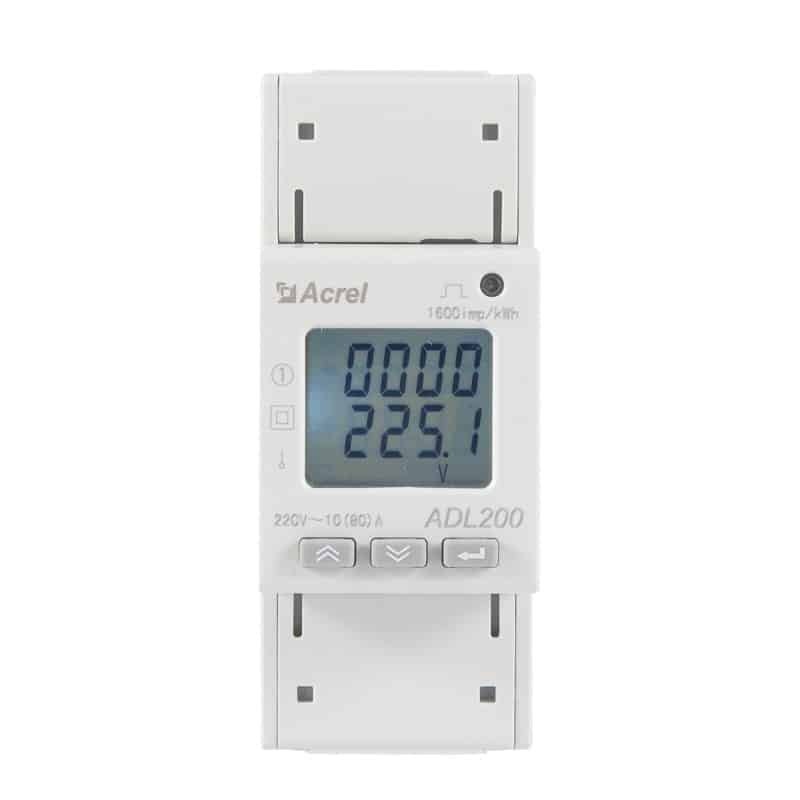
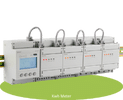
Standard panels need basic metering. Ideal for factories & dormitory billing. Key factor: durability, electrical parameters, & MID/UL certification. Acrel ADL ensures long-term stable EMS integration.
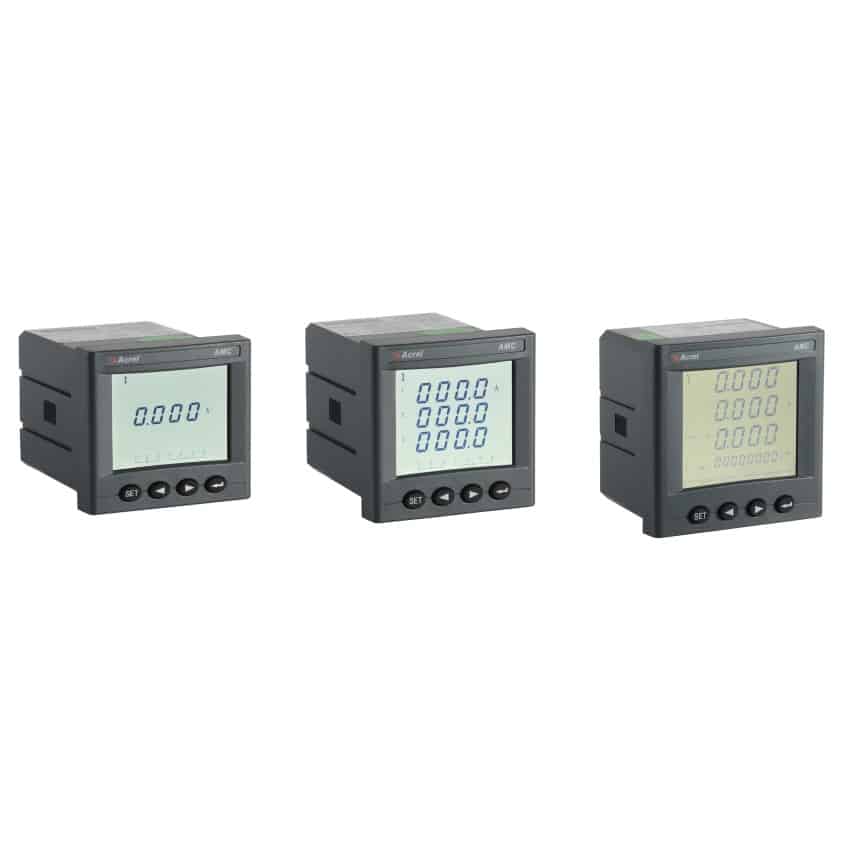
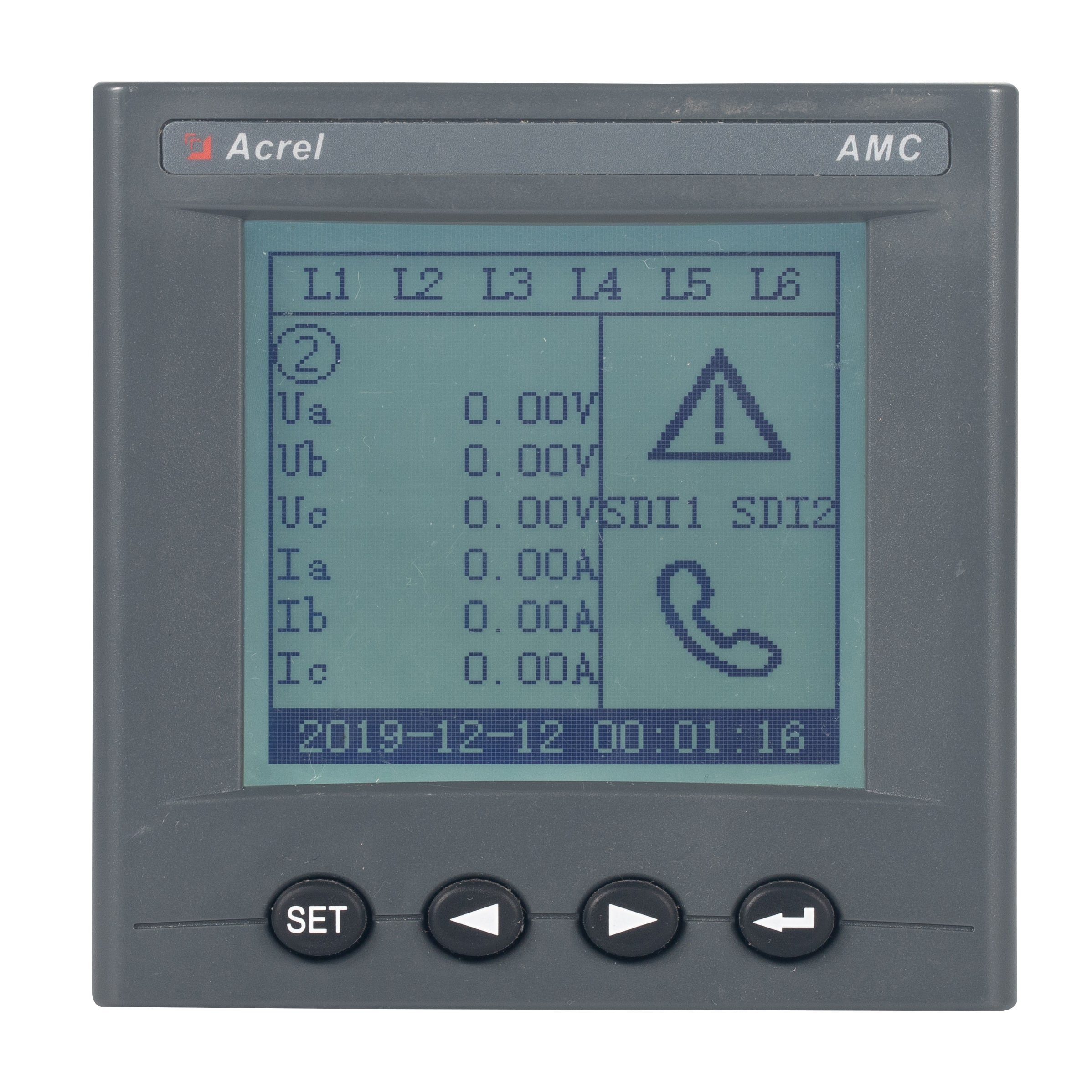
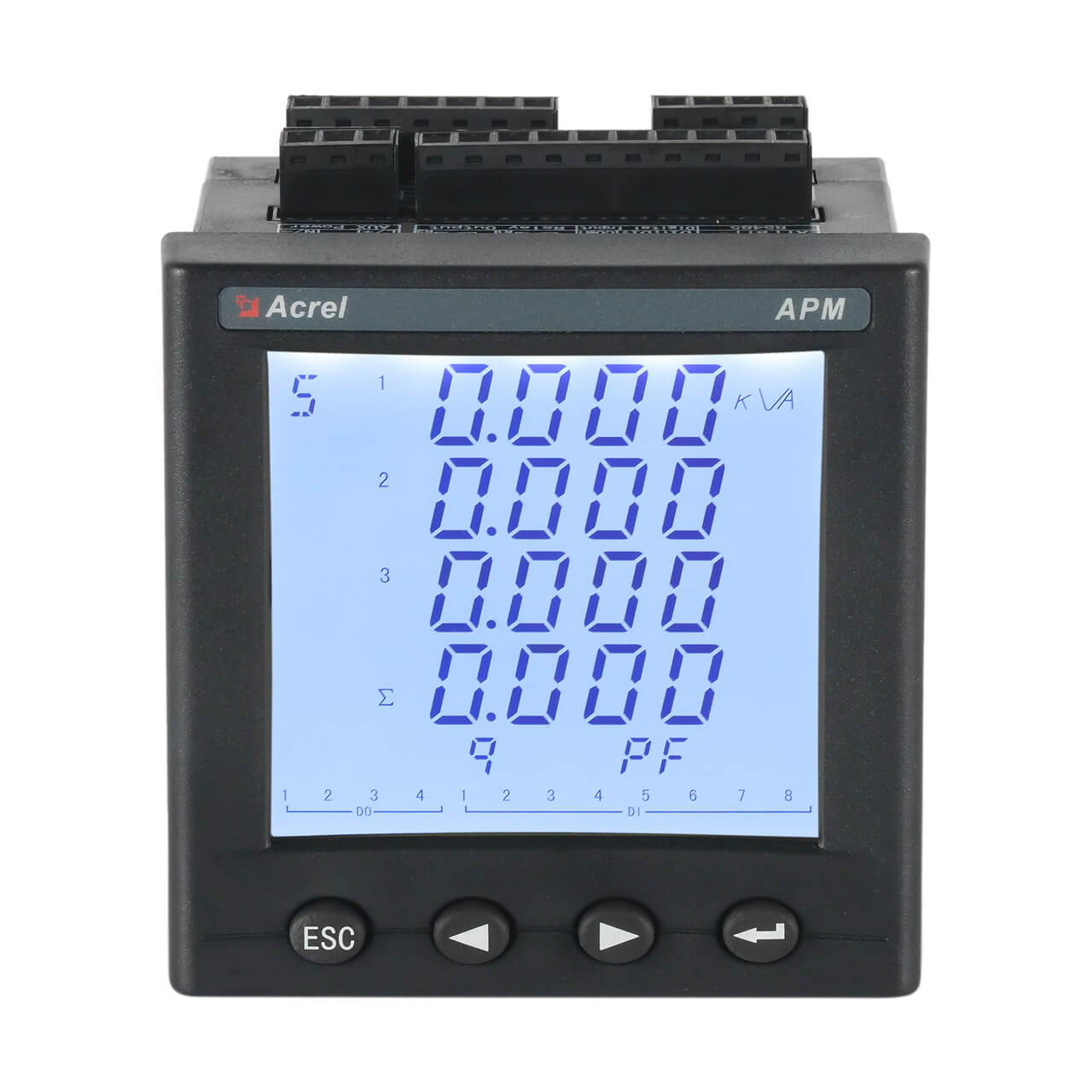
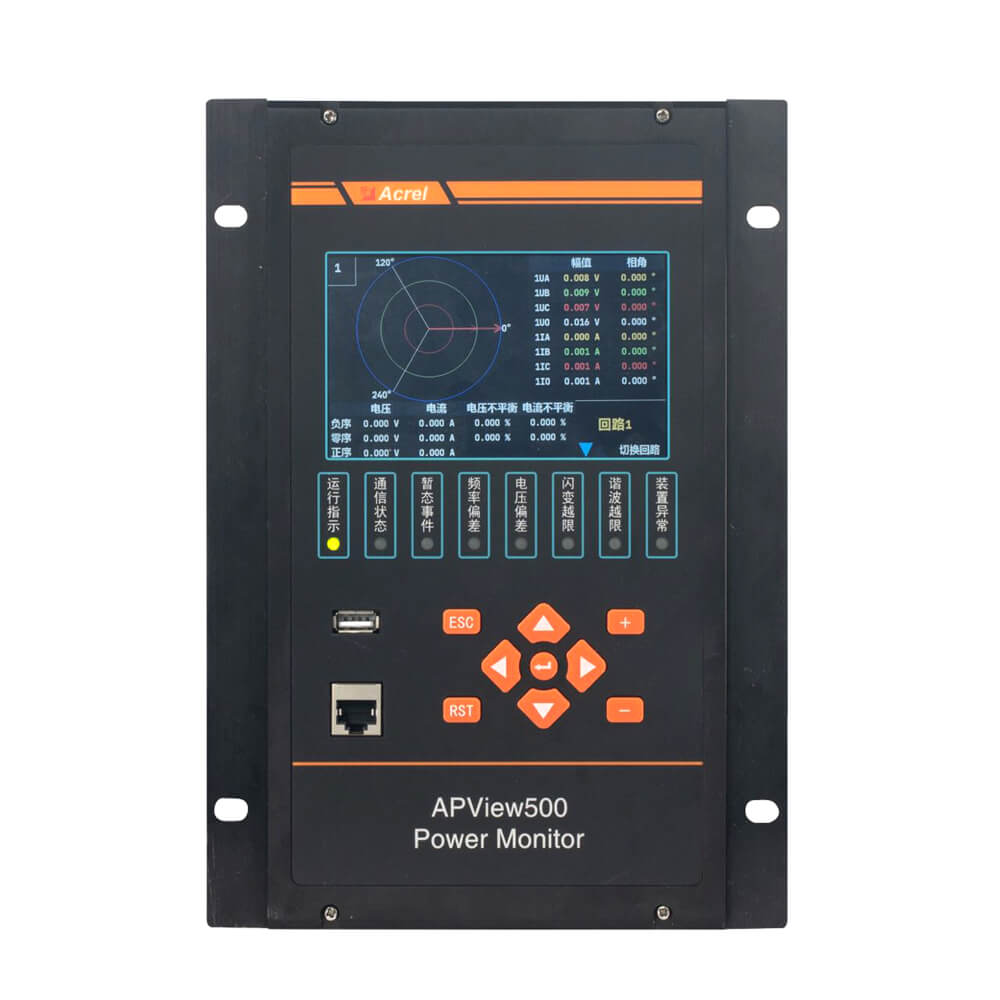
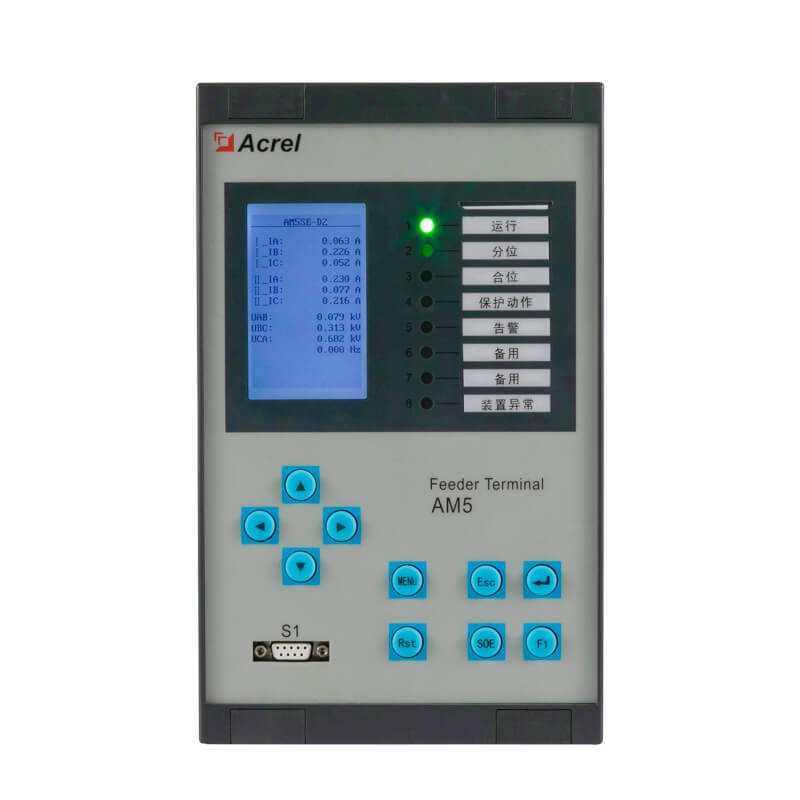
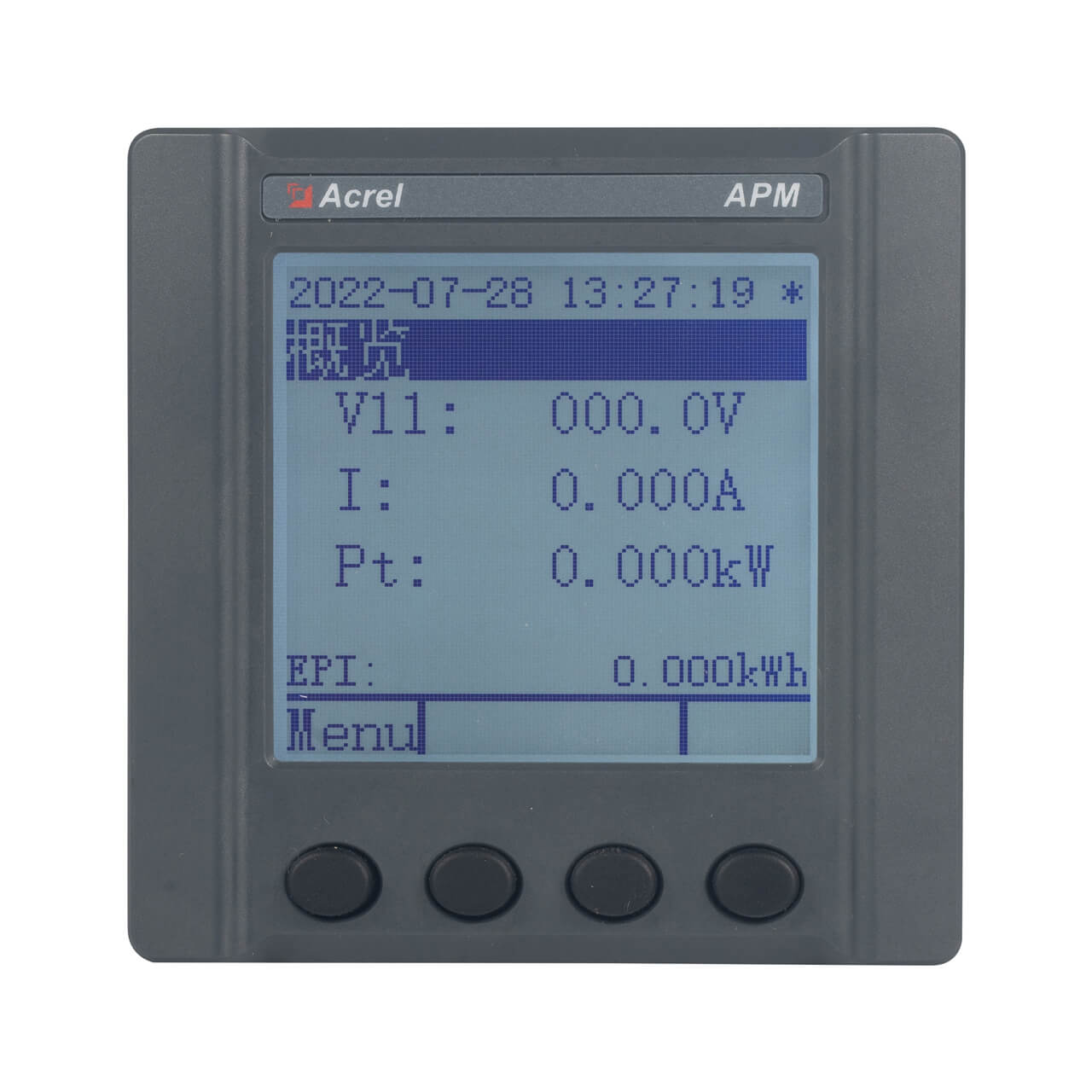
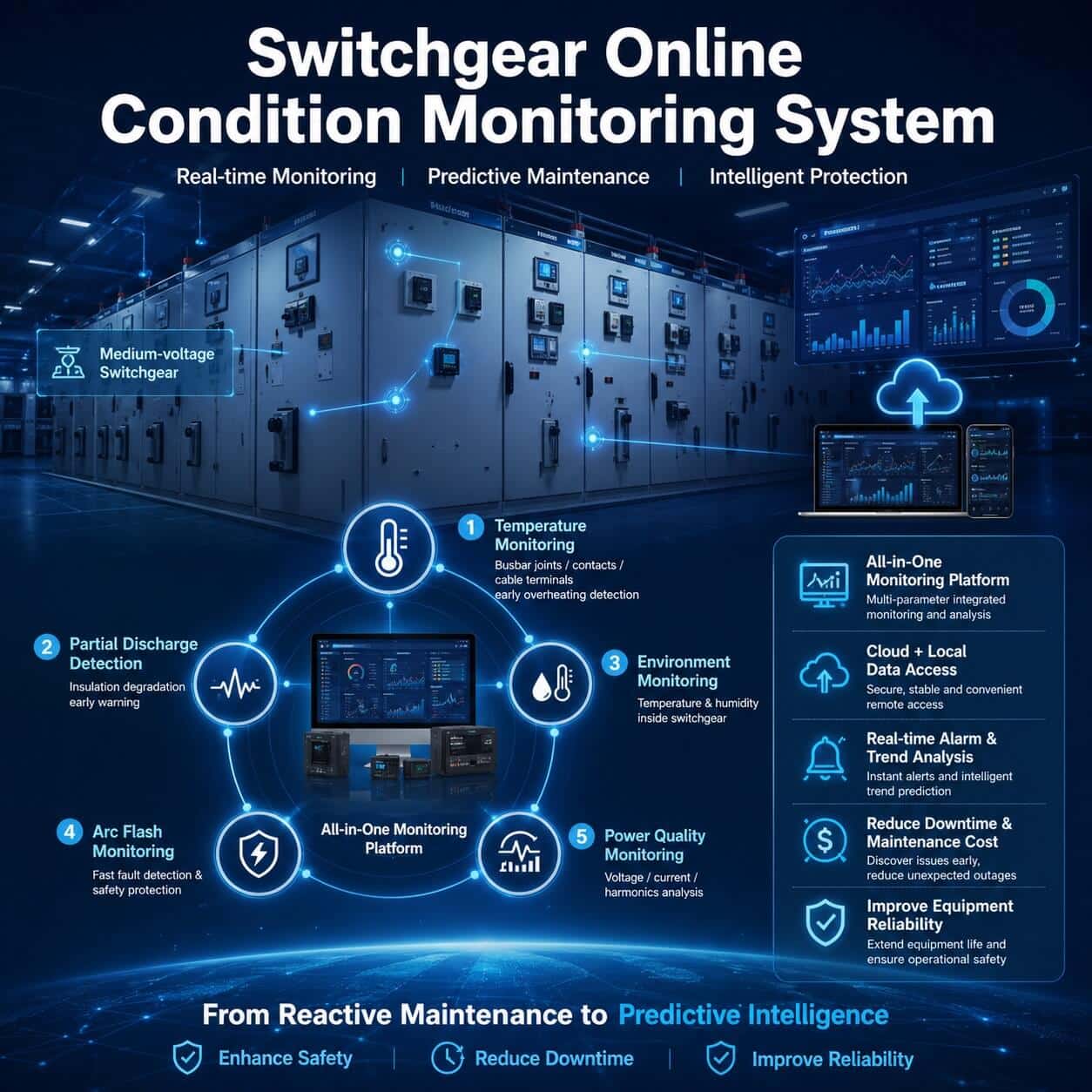
Operators lack on-site visibility. Best for high/low-voltage rooms & hospitals. Key factor: standard dimensions (96×96) & harmonic analysis. Acrel APM serves as the visual core of substations.
Topology

Buying Guide
| Product Category | Core Pain Point Solved | Target Audience |
| DC Energy Meter | Messy sensor wiring and low-current thermal drift cause inaccuracies. | EV charging stations, PV combiner boxes, telecom base stations, ESS. |
| Wireless Energy Meter | Complex communication wiring is too costly for existing retrofits. | Retrofit factories, decentralized retail chains, smart industrial parks. |
| Multi-Circuit Energy Meter | Installing separate meters for dense sub-circuits wastes space and budget. | Data center server racks (PDUs), commercial sub-metering, production lines. |
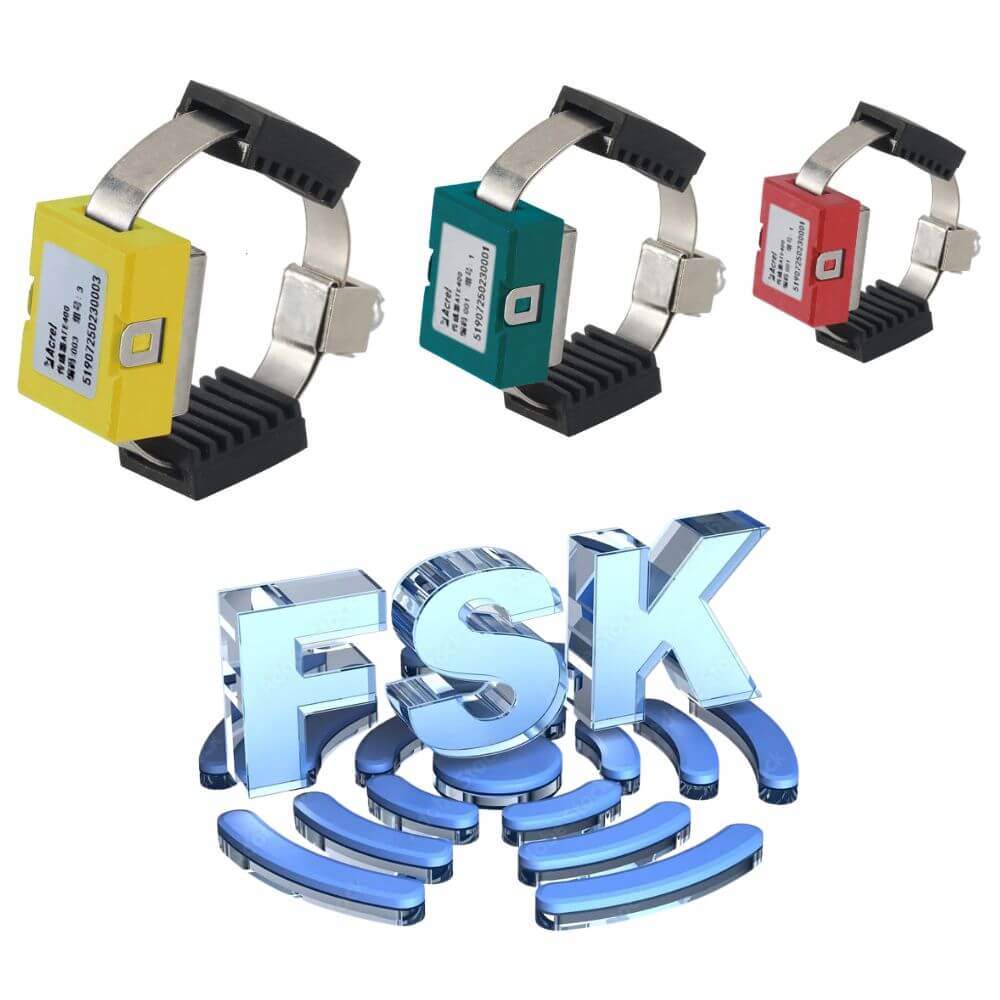
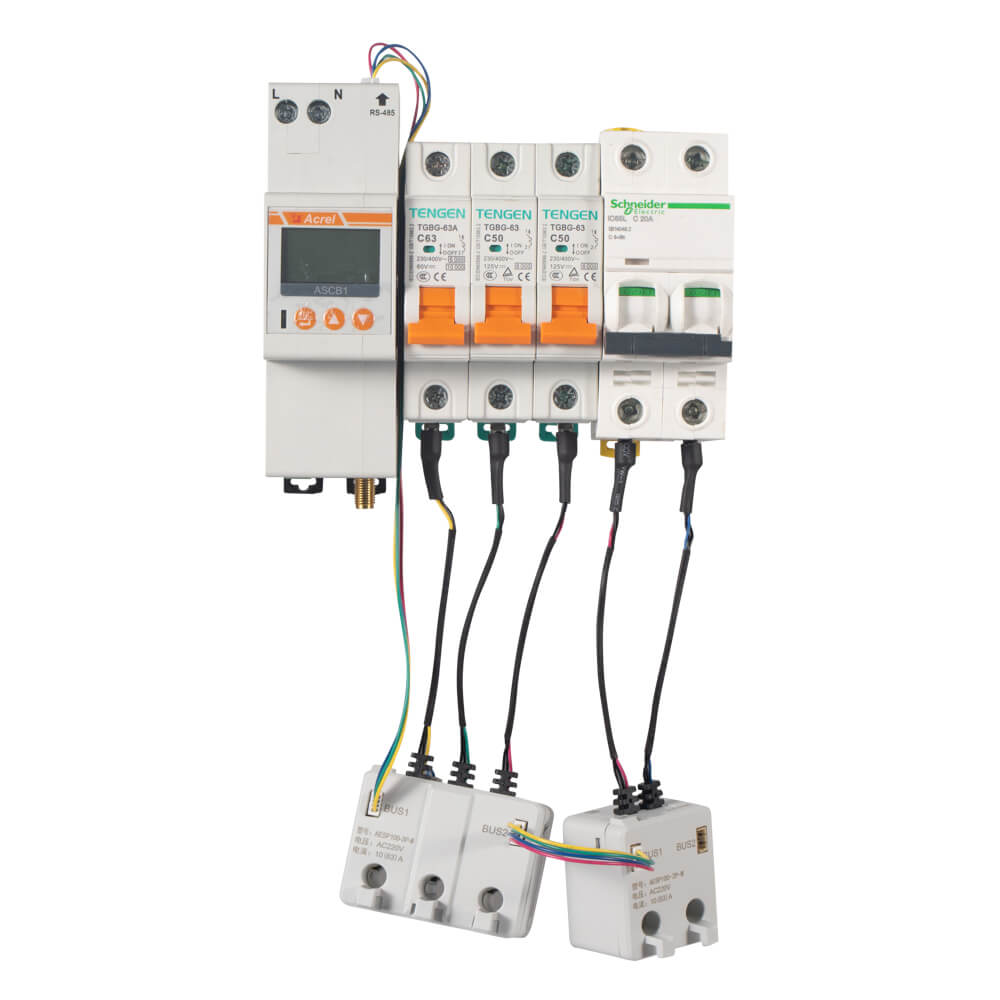
| PowerTag (Smart Sensor) | Traditional meters are too bulky to fit into compact terminal MCB boxes. | Smart homes, intelligent offices, commercial terminal distribution boards. |
| DIN-Rail Energy Meter | Bulky meters reject standard rails; unmonitored consumption hides waste. | Factories, smart buildings, and data centers requiring internal energy monitoring. |
| Panel Power Meter | Switchgear operators lack local visibility and power quality diagnostics. | High/low-voltage distribution rooms, hospitals, advanced manufacturing. |
FAQ
A: Selection must be precisely tailored to the specific application scenario, as certificates dictate legal and technical compliance:
① For European EV Charging (Public Sub-Billing): You must specify DC meters with MID (Measuring Instruments Directive) Class B/C Certificationor Germany’s Eichrecht compliance. Selling electricity to the public via non-certified DC meters violates European consumer protection laws, resulting in heavy legal penalties and equipment sealing.
DJSF1352-D-600 model, which strictly holds full MID (Measuring Instruments Directive) Class B/C Certification. This specific configuration supports direct connection up to $1000\text{V DC}$ and $600\text{A}$ without external shunts, providing the legally mandated anti-tampering features and localized measurement parameters required by European metrology laws (such as Germany’s Eichrechtframework).
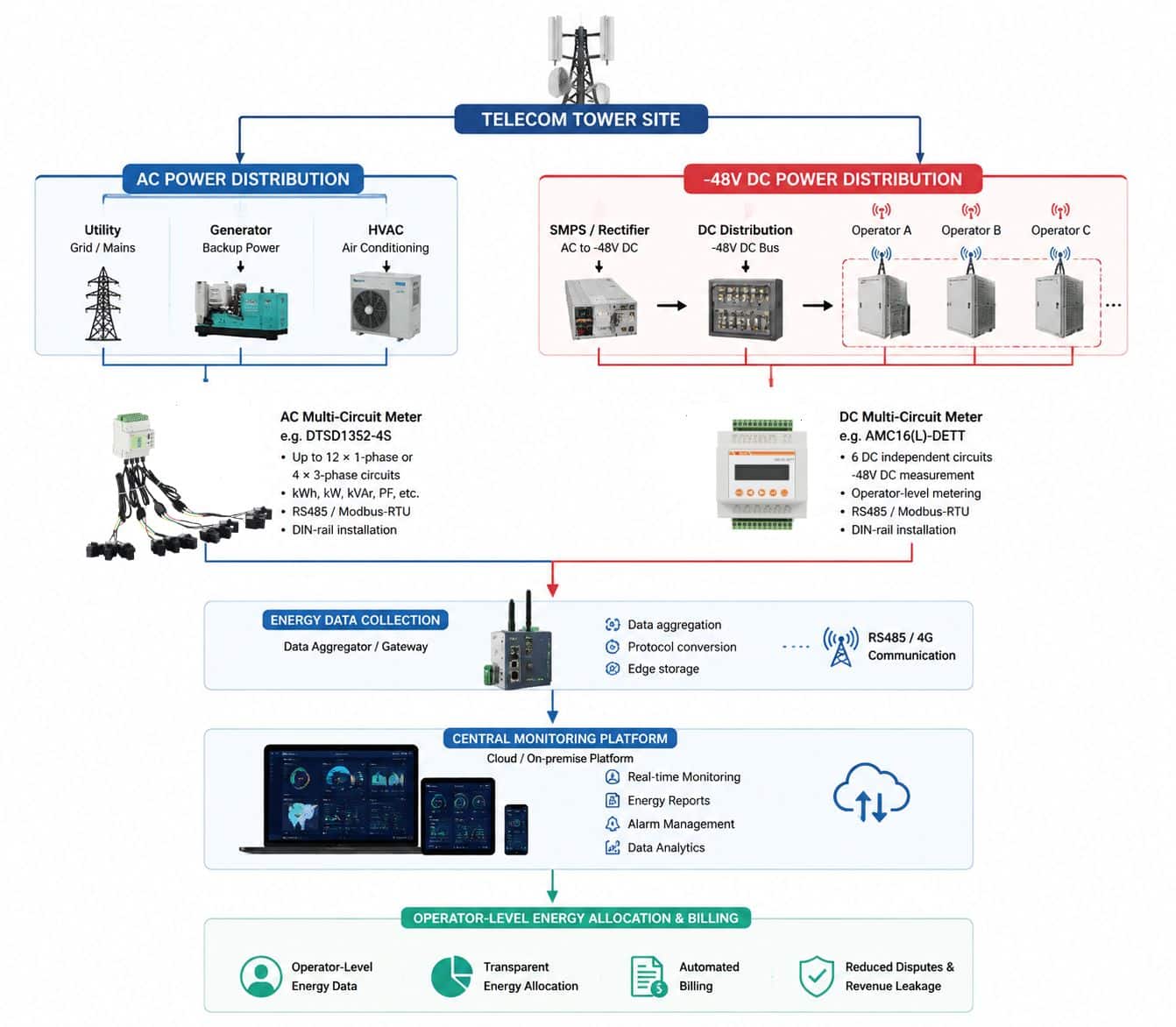
② For Global Telecom Base Stations (Internal Energy Tracking): The priority shifts from legal metrology to telecom-grade ruggedness. The meter must carry the CE Mark, comply with IEC 62053-41 (standard for DC active energy meters), and possess certificates proving stable operation under extreme temperatures ($-40^{\circ}\text{C}$ to $+75^{\circ}\text{C}$) and heavy electromagnetic interference (EMI).
Acrel telecom-grade DC meters are fully CE certified under the Low Voltage Directive (LVD 2014/35/EU) and Electromagnetic Compatibility Directive (EMC 2014/30/EU).
A: For underground or shielded industrial environments, never select Wi-Fi due to its poor penetration and short range. Choose 4G (Cellular) if there is reliable carrier indoor-distribution signaling, which simplifies setup as it bypasses local gateways. However, if cellular signal is completely blocked, select the LoRaWAN or 433MHz Sub-1GHz version. This allows you to deploy a local gateway on the ground floor and route high-penetration, long-range wireless signals through vertical shafts, saving on data subscription costs.
A: Selection must be strictly partitioned by the technical blueprint of each distinct application scenario:
① For Data Center PDUs (High Reliability & Harmonics): IT servers generate massive non-linear loads, causing harmonic current spikes and neutral-line current risks. For this scenario, you must select the AMC100 series (PDU dedicated meter). It monitors up to 2 incoming loops and 42 outgoing branches simultaneously, providing Full Power Quality parameters—including Total Harmonic Distortion (THD), individual harmonics up to the 31st order, and active Neutral Current Measurement—to prevent catastrophic data center blackouts.
② For Telecom Base Stations (AC Input, Surge Immunity & Multi-Tenancy): Base station AC incoming panels face tight space, lightning surge risks, and multi-tenant power sharing (e.g., TowerCo vs. Operators). You must specify a compact, rail-mounted multi-circuit meter paired with miniature split-core CTs (such as the DTSD1352-4S series). It can independently track up to 4 distinct three-phase AC circuits (grid, generator, different tenant loads) on a single hardware footprint, while featuring 4kV surge immunity (IEC 61000-4-5)on voltage inputs to survive outdoor grid fluctuations.
③ For Commercial Building Sub-monitoring (High Density & Multi-Phase Mix): Commercial properties require tracking a chaotic mix of single-phase lighting loops and three-phase HVAC/elevator loads on the same distribution board. You should select the ADF400L series, which allows for flexible channel grouping. It enables engineers to freely combine its 48 available single-phase current channels into any mixture of single-phase or three-phase virtual meters via software configuration, eliminating the need to buy separate meters for different load types and saving up to 70% in cabinet space.
A: Selection is strictly governed by pole pitch (modular width) and current rating. Standard MCBs typically use an 18mm pitch per pole, but some compact brands use 9mm or specific terminal offsets. Before ordering, verify the pitch compatibility of the PowerTag variant (e.g., 1P, 3P, or 3P+N spacing) against your switchgear drawings. Additionally, check the maximum wire gauge: if your top-fed cable exceeds $16\text{mm}^2$, ensure you select a larger 63A or 125A PowerTag variant with wider pass-through apertures to avoid terminal bottlenecking.
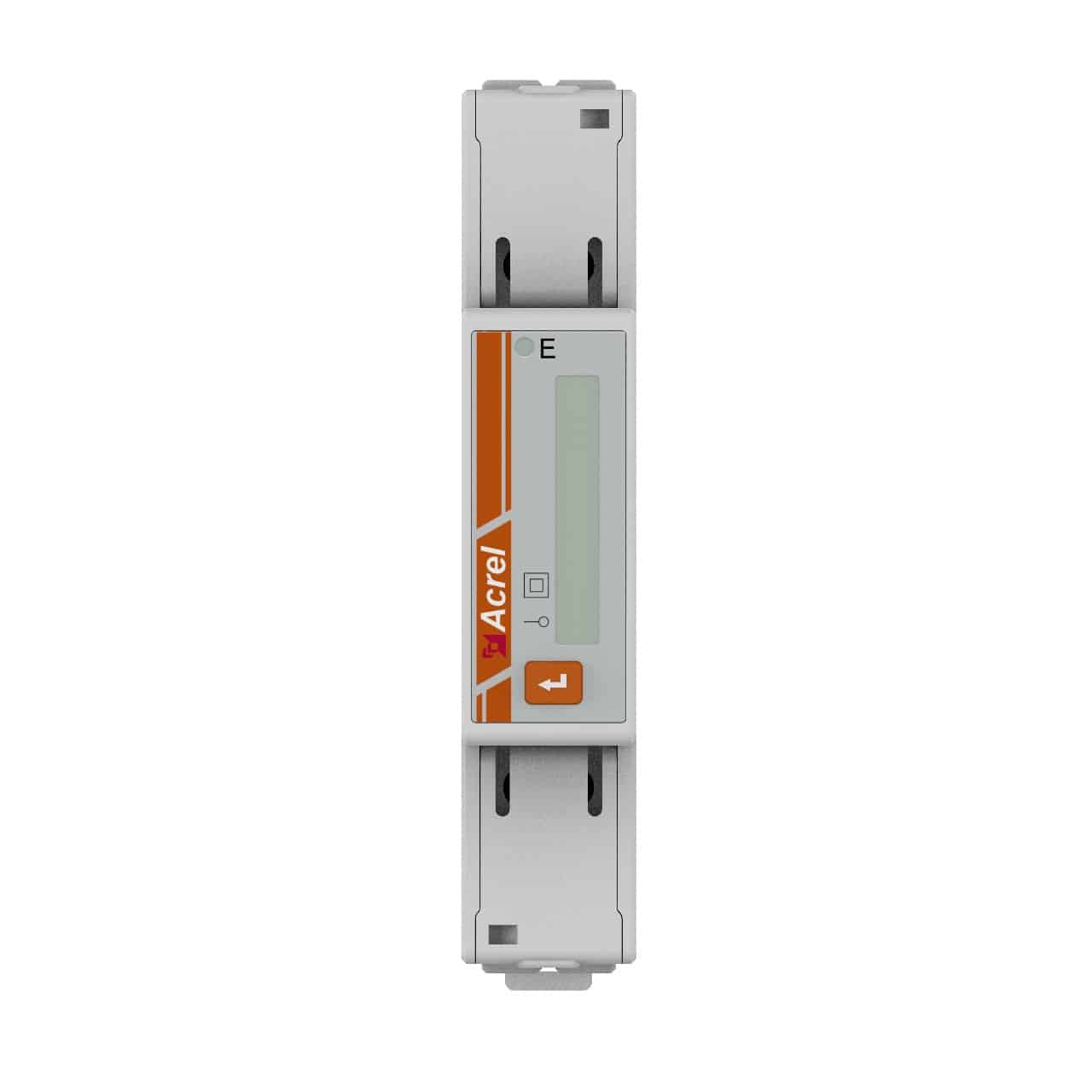
A: Choose based on themaximum continuous load current of the branch. If the continuous line current is consistently below 80A, select the Direct Connect version (e.g., 10(80)A). It eliminates CT hardware costs, minimizes wiring errors, and saves DIN-rail space. However, if the circuit current exceeds 80A, or if the main incoming cable is too thick to bend into the meter’s terminals, youmustselect the CT Connect version (e.g., 1(6)A or mA input) and pair it with external 5A-secondary CTs.
A: The physical size dictates the internal hardware expandability (I/O slots). While a 72-size meter saves panel space, its compact housing restricts the addition of plug-in modules. If your design requires advanced automation integration—such as multiple relay outputs (DO) for interlocking, digital inputs (DI) for breaker status tracking, or dual RS485/Ethernet ports —you must select the 96-size meter(e.g., APM810 or AMC96L). Always match the product suffix to the required I/O matrix in your schematic diagram.