





Deep-Dive: The Non-Intrusive Retrofit & Installation Process
The liberalization of the low-voltage (LV) distribution sector across the Gulf Cooperation Council (GCC) region has triggered an unprecedented demand for grid-edge visibility. As national grid authorities—such as Saudi Arabia’s SEC and the UAE’s DEWA—transition towards Private Sector Participation (PSP) and independent Operations and Maintenance (O&M) models, the secondary distribution network has become the frontline for efficiency optimization.
Historically, the street-level Feeder Pillar (LV Cable Distribution Box) remained a critical blind spot, exposed to extreme ambient temperatures exceeding 50°C, non-technical line losses, and unmonitored load surges driven by rapid EV charging infrastructure integration.
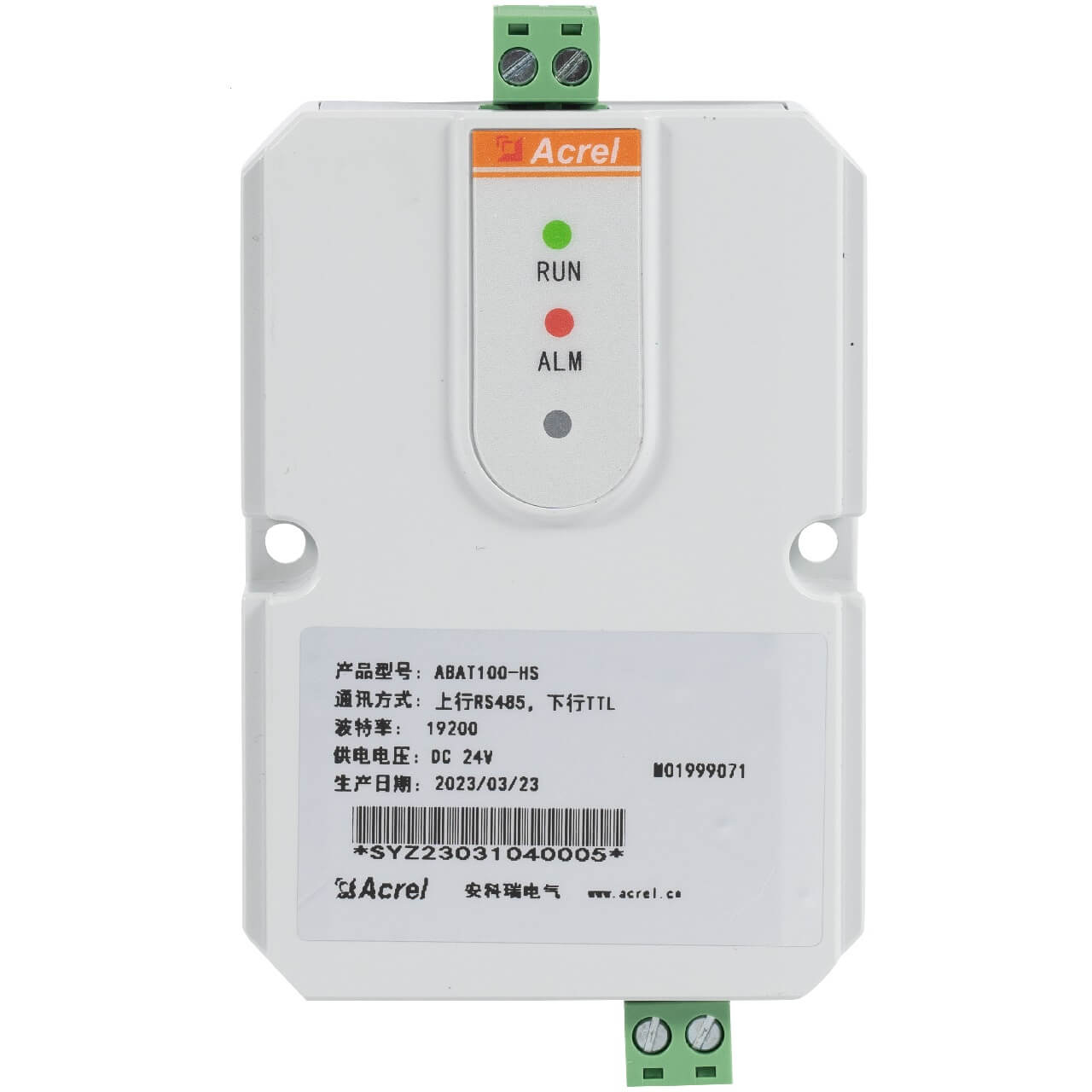
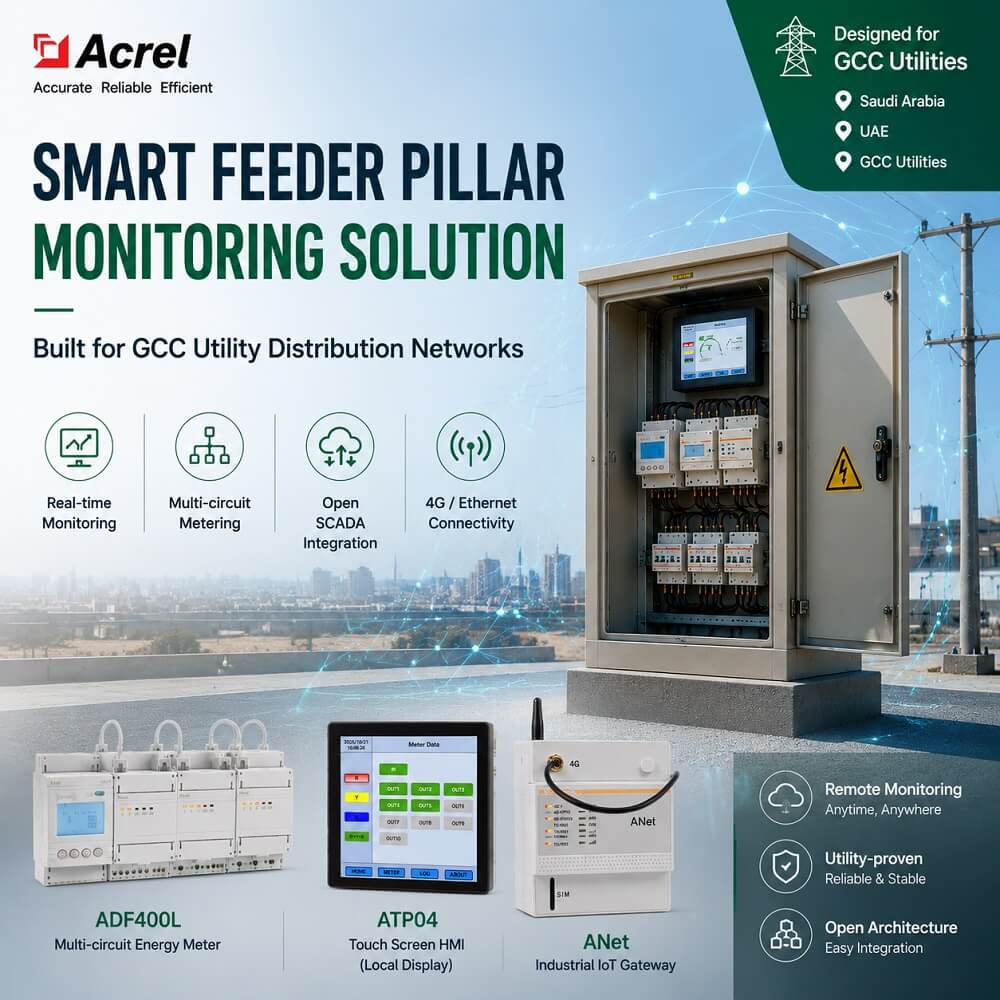
To bridge this visibility gap at a utility-grade scale, Acrel has engineered a proven, comprehensive IoT-driven edge architecture. Backed by a landmark deployment delivering over 1,200 sets per year for leading national utilities like Tenaga Nasional Berhad (TNB), this article deconstructs how the integration of the Acrel ADF400L Multi-Circuit Energy Meter and ANET Intelligent Gateways redefines secondary substation and low-voltage grid asset management.
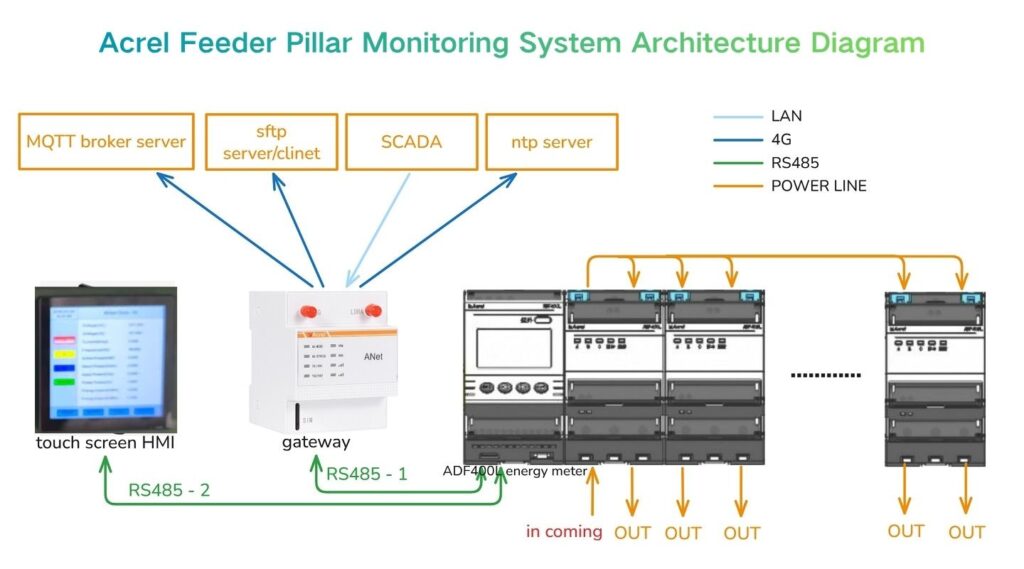
The Architectural Blueprint: Substation to Feeder Pillar Integration
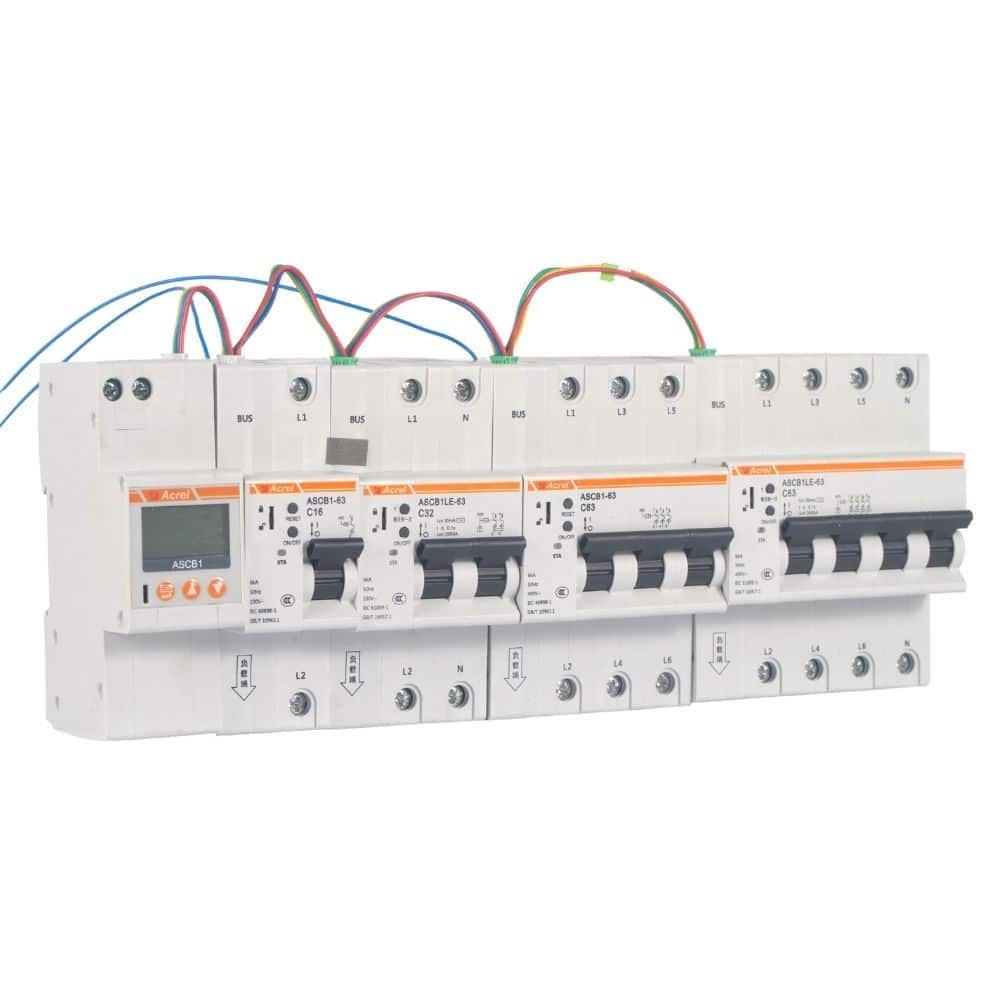
Utility-scale deployment demands a highly repeatable, compact, and resilient hardware-to-software top-level topology. The Acrel secondary distribution monitoring system transforms legacy passive feeder pillars into intelligent, data-driven edge nodes.
1. High-Density Multi-Circuit Metering via Acrel ADF400L
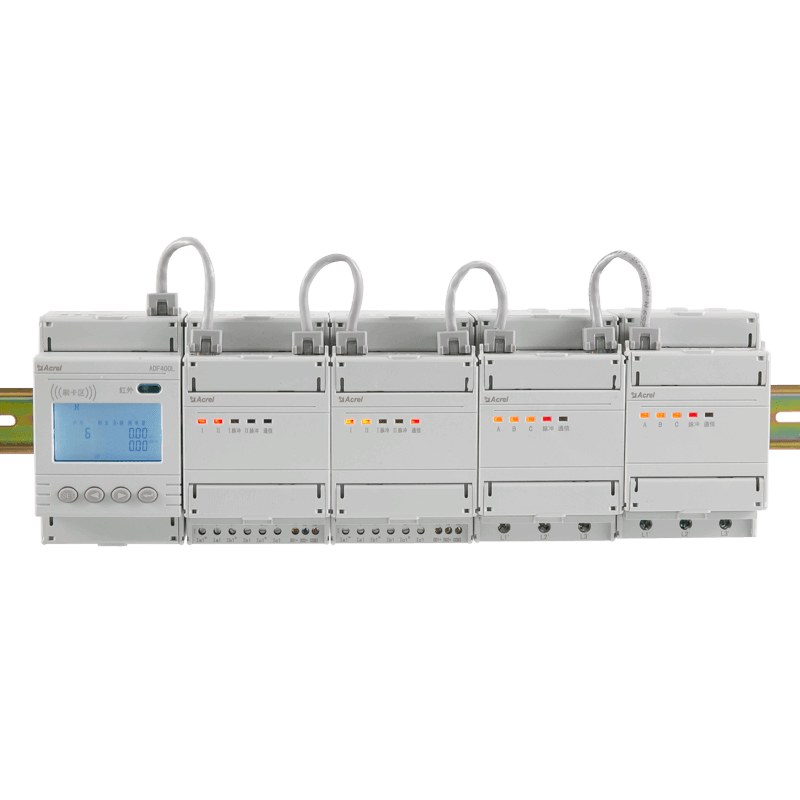
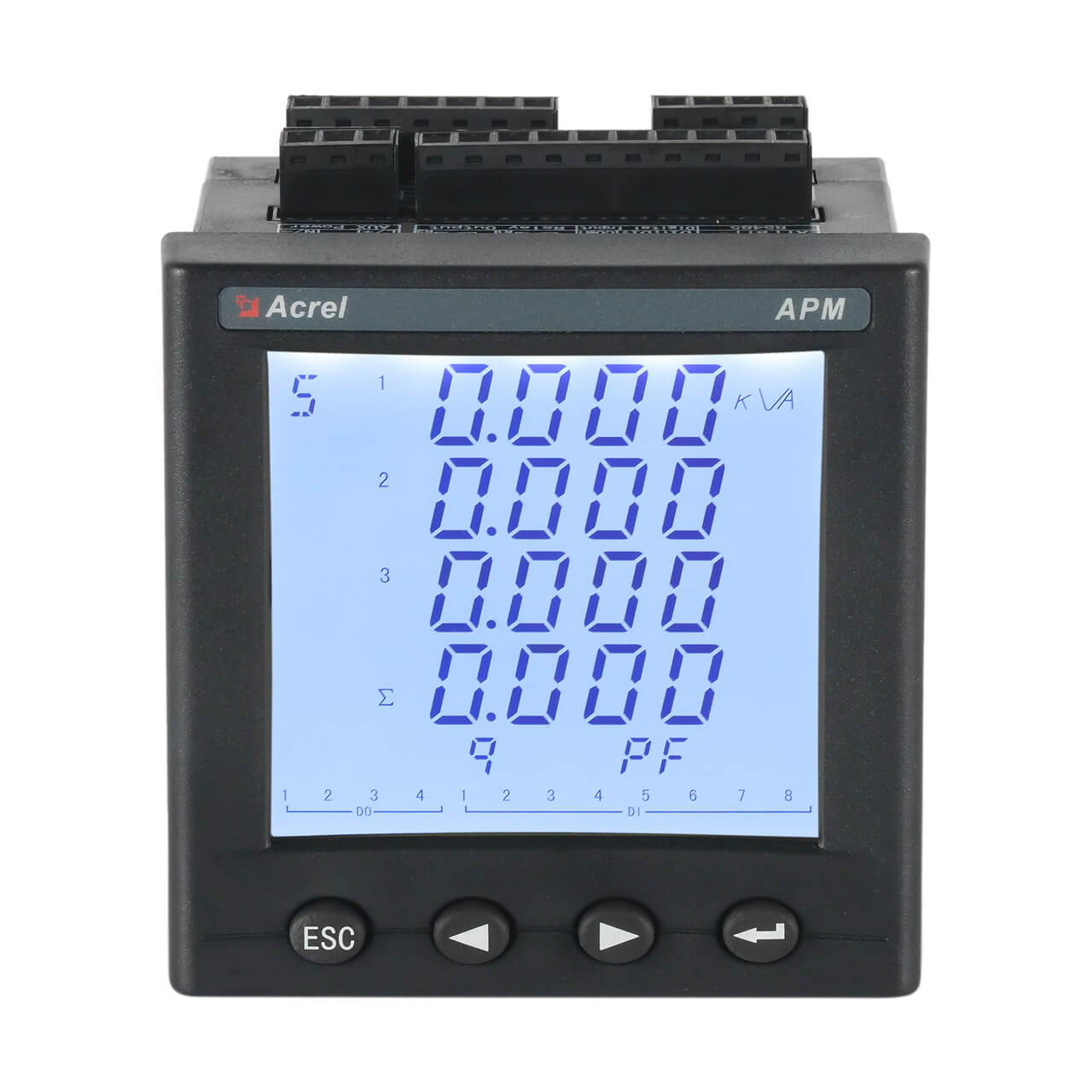
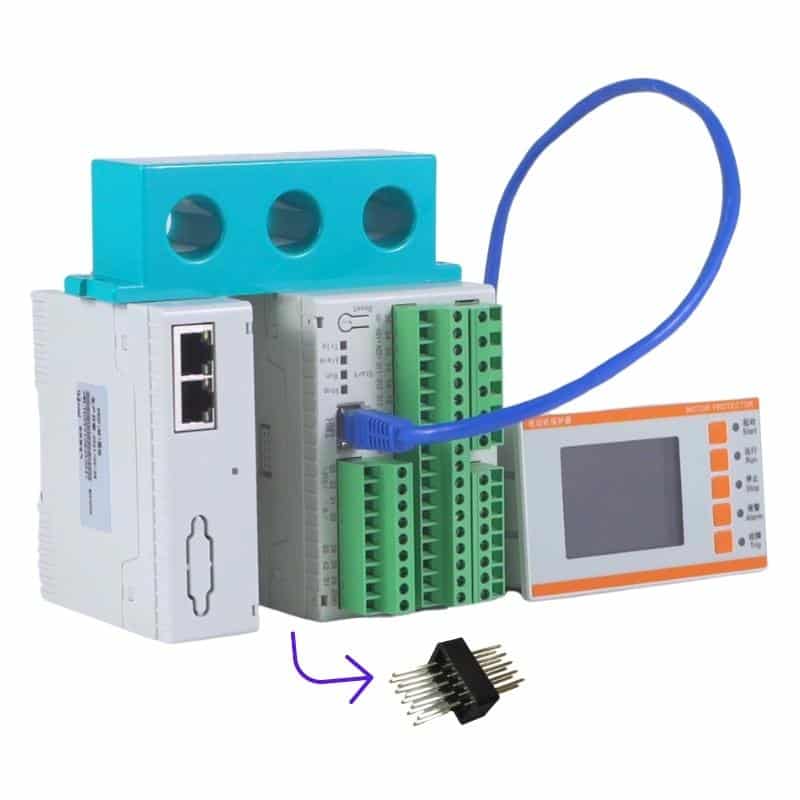
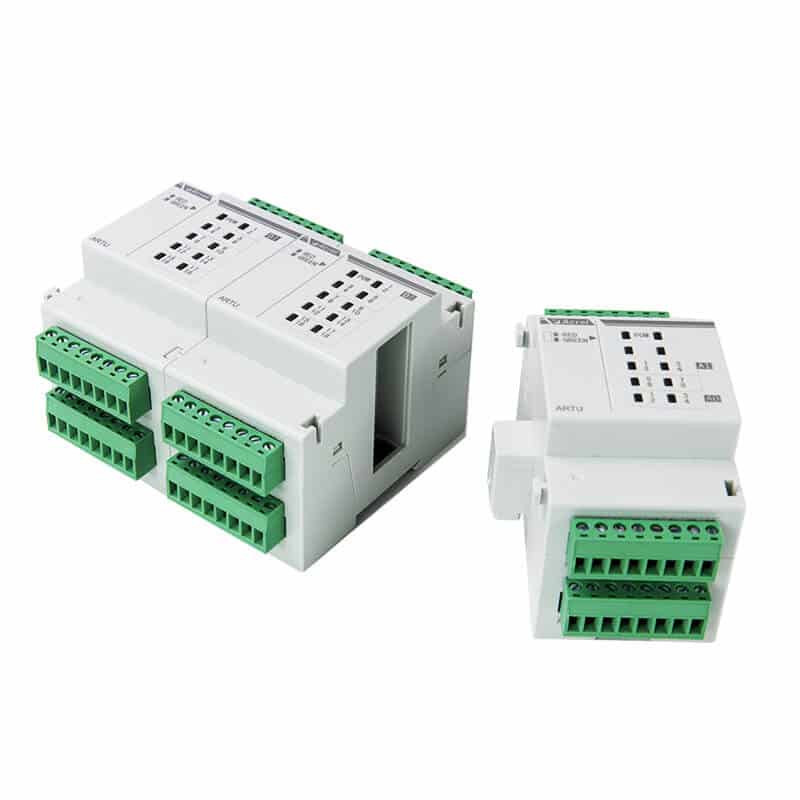
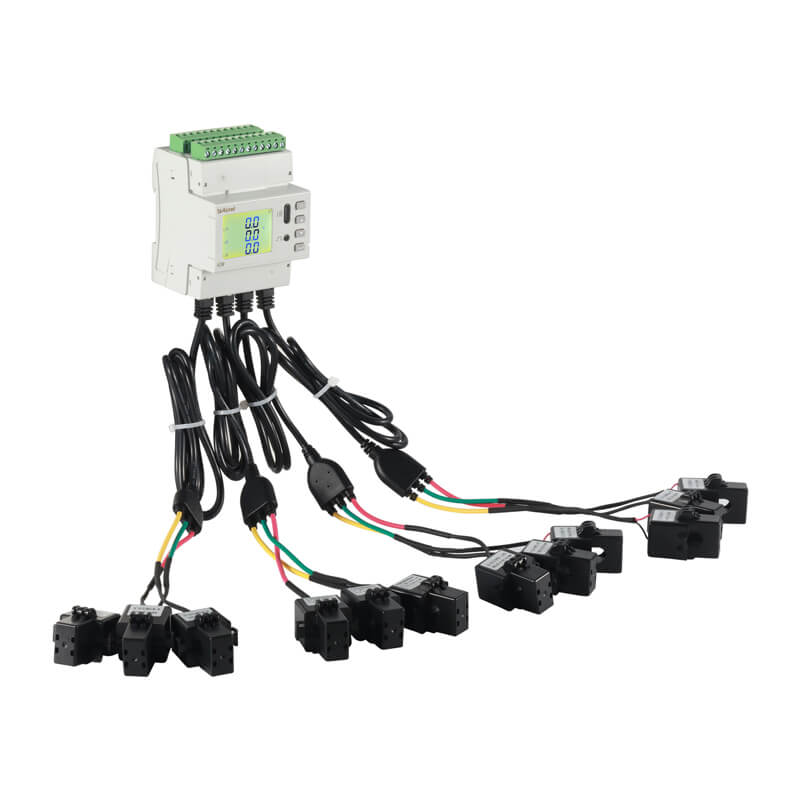
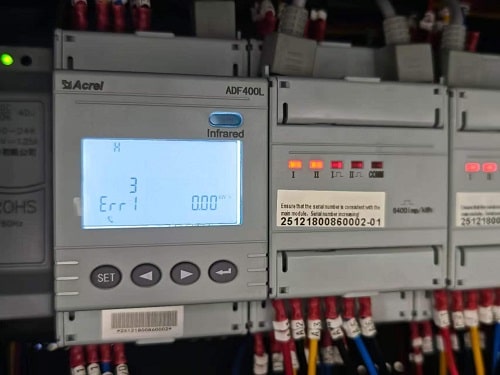
Traditional spacing constraints inside compact, outdoor-rated feeder pillar enclosures render individual rail-mounted meters obsolete. The Acrel ADF400L series multi-user energy meter resolves this via a modular, high-density architecture.
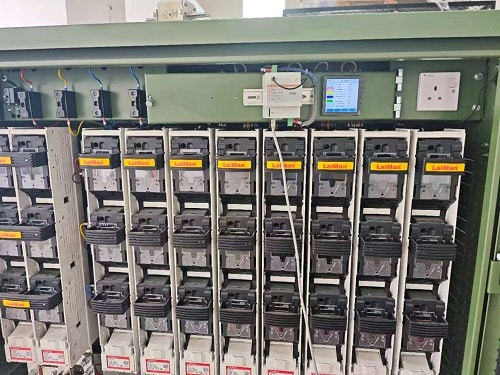
- Scalable Circuit Topology: A single ADF400L main module accommodates flexible module combinations, monitoring up to 12 distinct three-phase circuits (or 36 single-phase circuits) simultaneously. This matches the multi-way strip-fuse outgoing layout of standard feeder pillars.
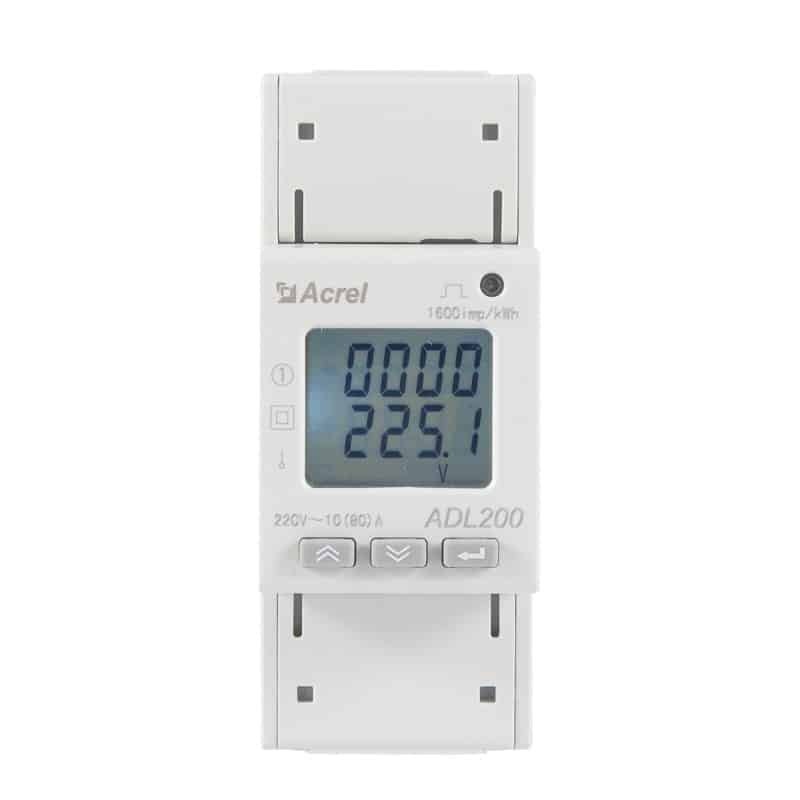
- Utility-Grade Precision: Engineered with a 0.5s class accuracy for active energy metering, the ADF400L captures real-time voltage, current, power factor, frequency, and total harmonic distortion (THD, 2nd to 31st harmonics).
2. Protocol Harmonization and Edge Computing via ANET Gateways
Grid monetization requires absolute interoperability. Field devices inside the feeder box utilize Modbus-RTU, whereas utility control centers require cloud-native or substation-grade protocols.
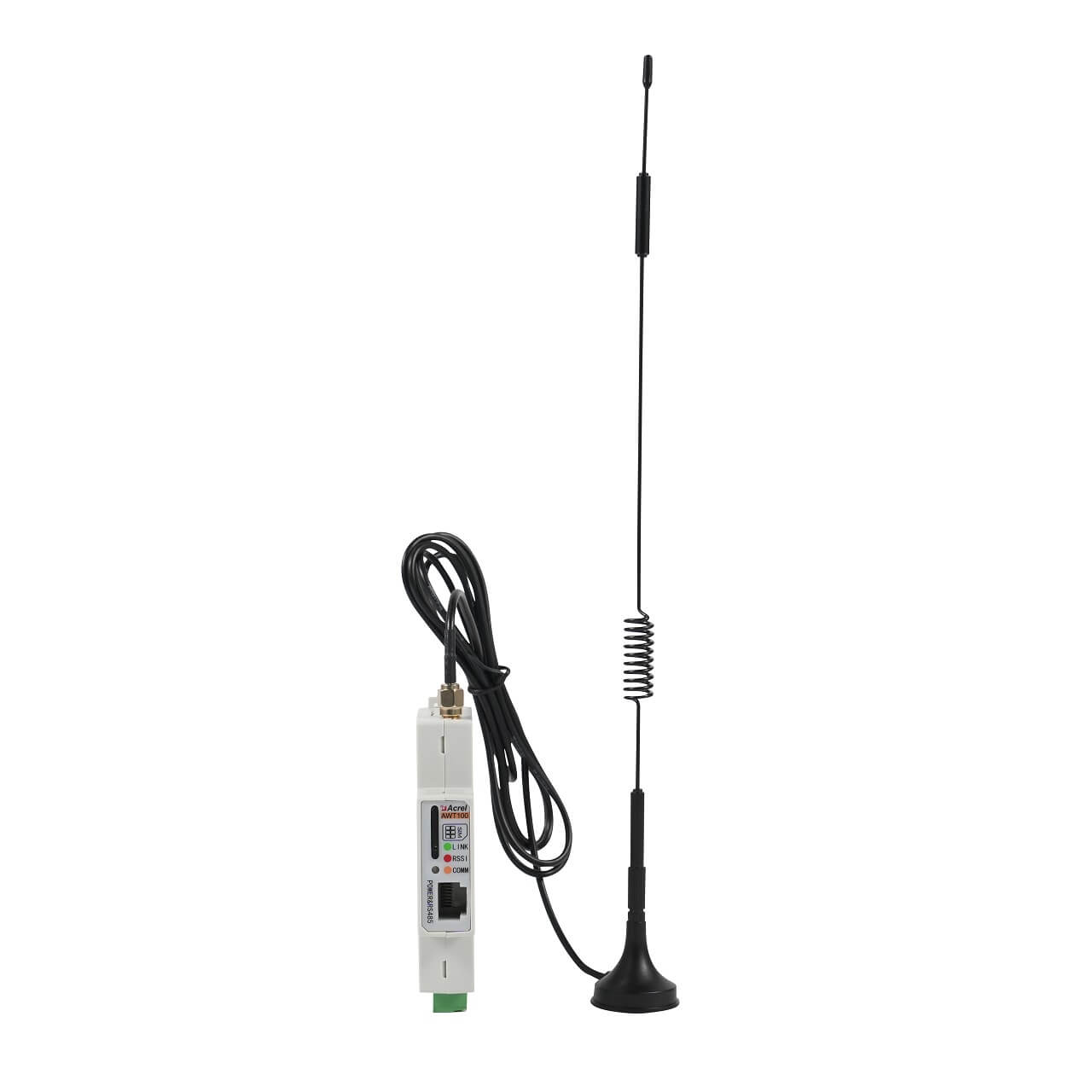
- Multi-Protocol Convergence: The Acrel ANET Smart IoT Gateway bridges the gap, translating downstream Modbus-RTU register maps into upstream MQTT, SFTP, Modbus-TCP, and SCADA-compatible protocols.
- Data Resume Capabilities (Breakpoint Continuation): Featuring an onboard 8GB SD card electronic hard disk, the ANET gateway automatically buffers transactional energy records during network failure and executes an encrypted JSON data resume upload once connectivity re-establishes.
- Time Synchronization: Embedded NTP clock synchronization ensures that data packet time-stamps align flawlessly with the utility’s master SCADA system, a strict mandate for accurate line loss audit sequences.
3. Local Operational Visibility: The ATP04 HMI Touchscreen
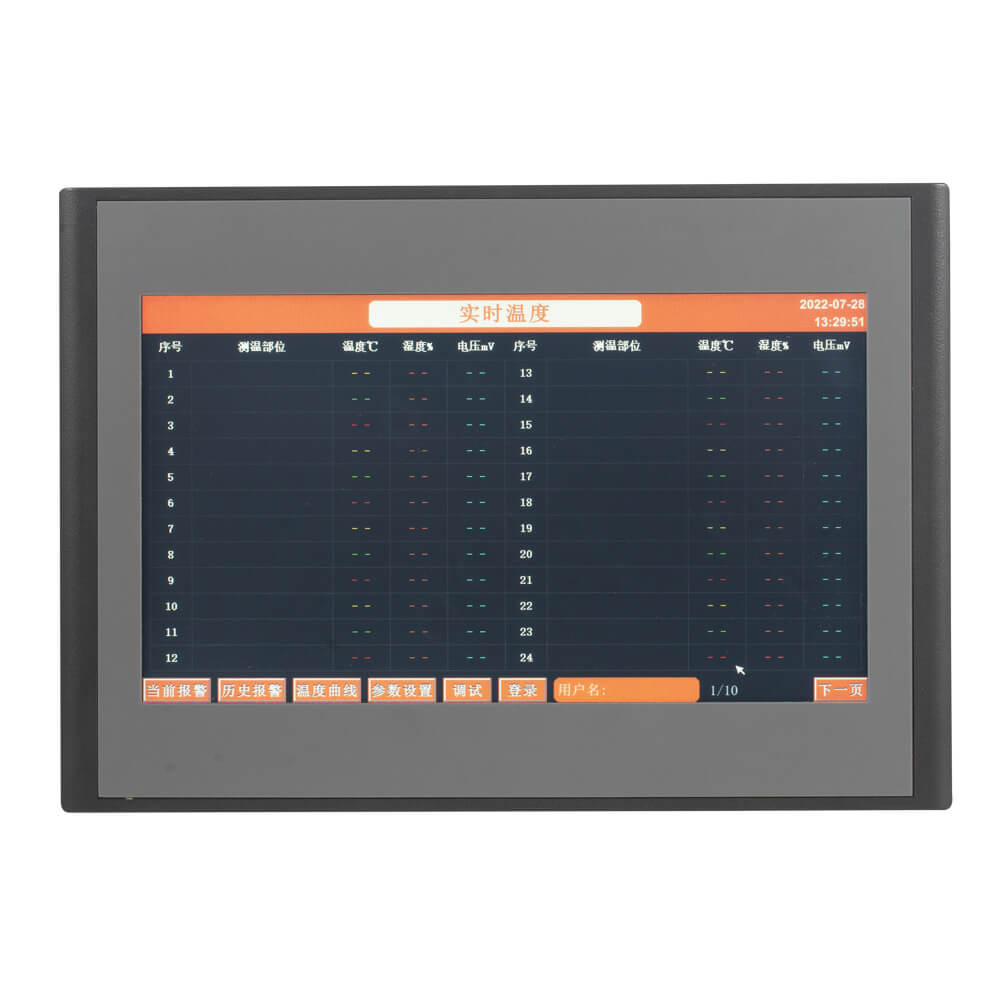
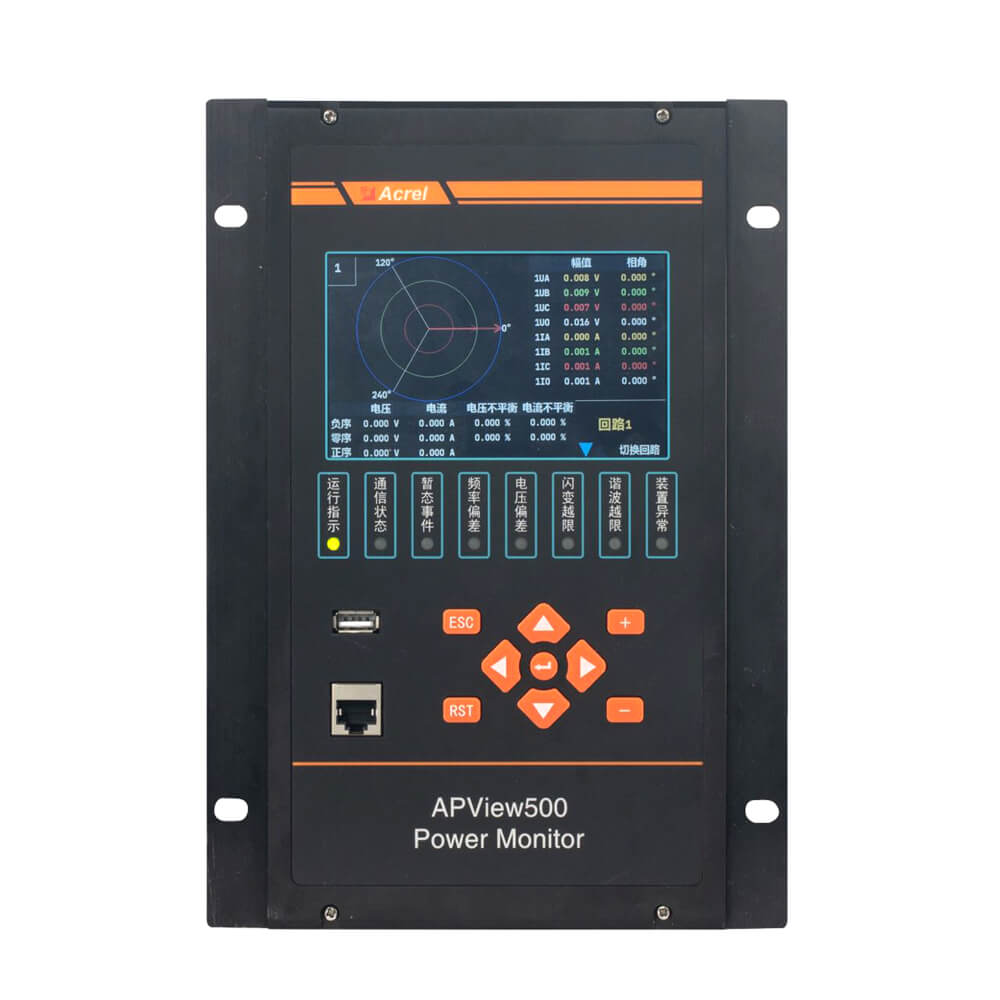
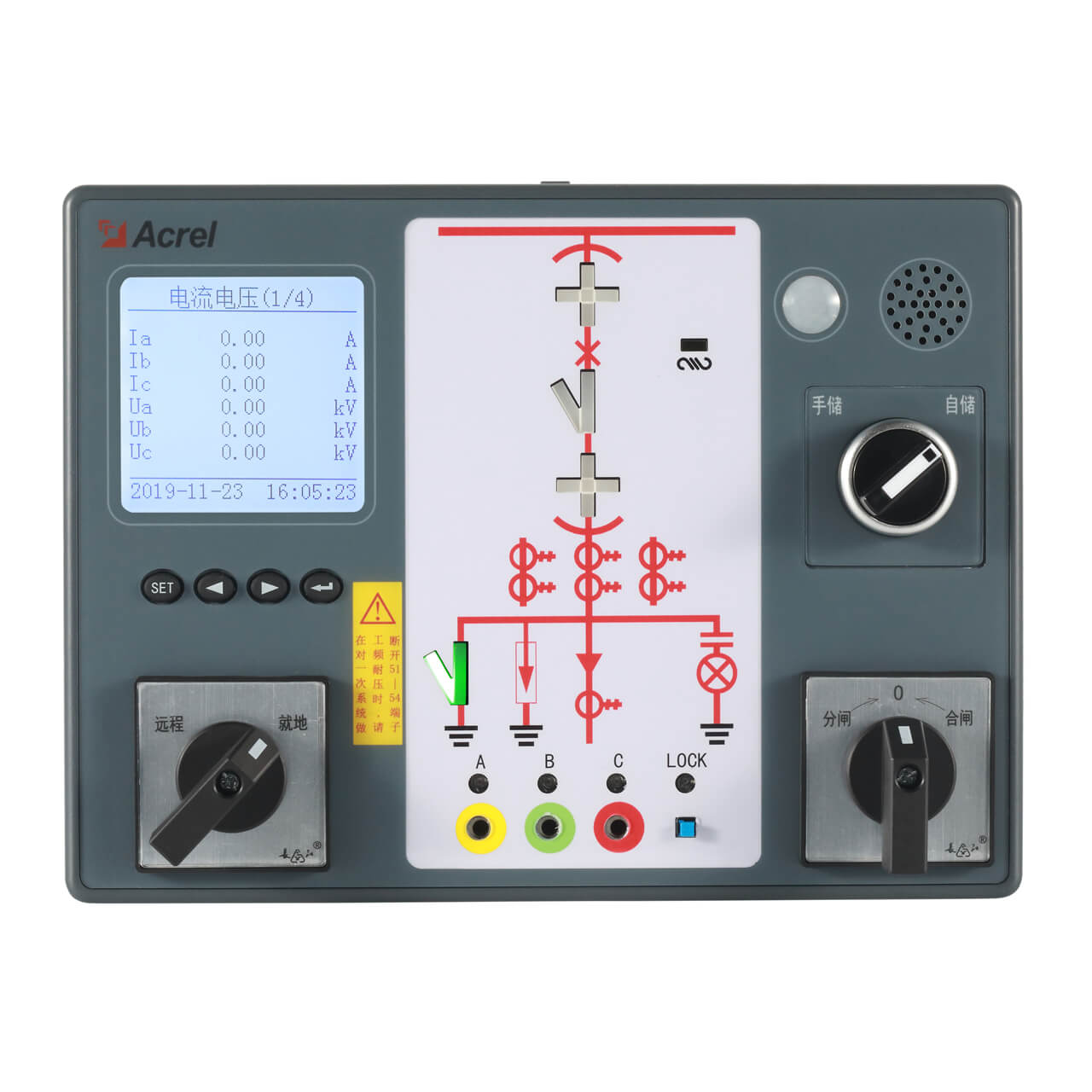
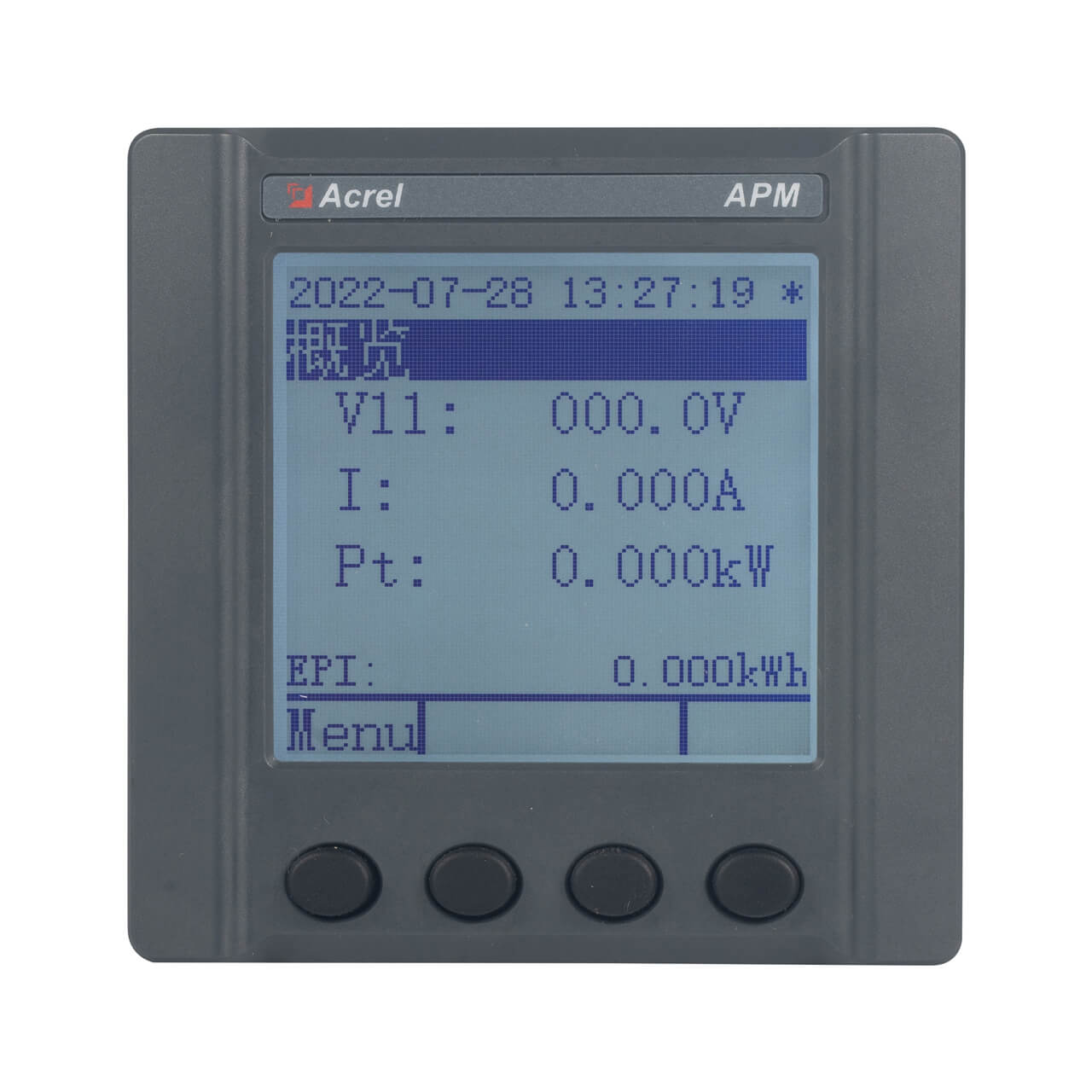
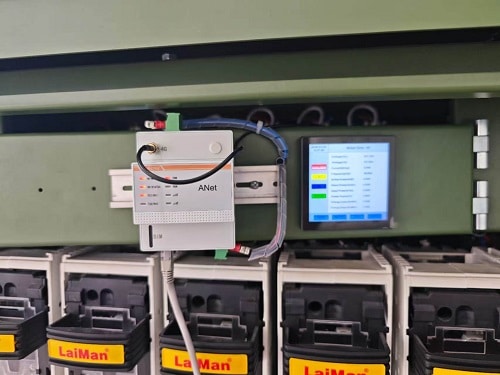
To protect field technicians during routine checks, the system includes the Acrel ATP04 HMI human-machine interface. Mounted safely on the internal dead-front panel of the feeder pillar, it enables local maintenance crews to execute visual diagnostics, view active load curves, and program local parameters via RS485 without exposing themselves to raw live copper bars
Deep-Dive: The Non-Intrusive Retrofit & Installation Process
For O&M contractors managing thousands of scattered assets across GCC cities, minimizing downtime during upgrades is paramount. The hardware deployment sequence of the Acrel solution is optimized for speed, safety, and operational continuity:
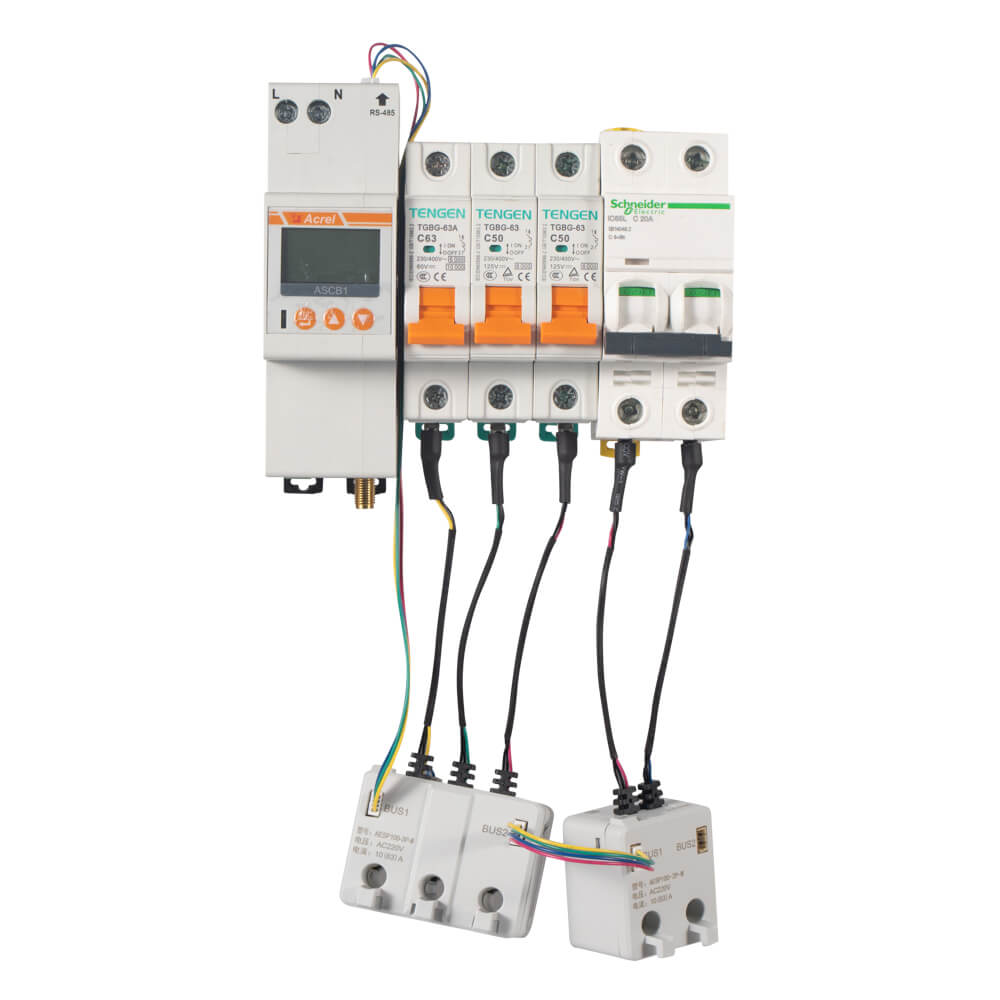
- Step 1: DIN-Rail Integration: The ADF400L meter base and the ANET gateway are mounted directly onto standard 35mm DIN rails within the low-voltage auxiliary compartment of the enclosure. Their compact footprint avoids interference with the main busbars.
- Step 2: Non-Disruptive CT Clamping: Instead of disconnecting massive utility-scale underground cables, technicians install external Acrel AKH-0.66/K split-core current transformers. These sensors snap directly over the insulated incoming and outgoing copper cables. The secondary wires are routed to the ADF400L via secure terminal blocks, completely eliminating the need for system de-energization.
- Step 3: RS485 Bus Daisychain: All internal monitoring nodes are linked to the ANET edge gateway via a shielded twisted-pair RS485 bus using Modbus-RTU, establishing an isolated local telemetry network within the pillar enclosure
Advanced Edge Intelligence & Central SCADA Synchronization
The true power of the 1,200 sets/year deployment lies in how data is processed at the edge before cloud transmission. The ANET gateway executes real-time local logic loops to reduce bandwidth consumption and prevent central server fatigue:
- Adaptive Polling Rates: The gateway polls the ADF400L meters at 1-second intervals for critical parameters like phase currents and line voltages. However, to preserve cellular data bandwidth, it compiles these into 15-minute average intervals for routine SFTP uploading.
- Instantaneous Threshold Alarming: If an individual outgoing circuit exceeds pre-configured overload parameters, or if THD spike limits are breached, the ANET bypasses the standard polling schedule and pushes an instantaneous MQTT Publish message (Latency < 200ms) directly to the central grid control room, identifying the exact sub-feeder at risk.
Grid-Grade Cyber Security & Data Encryption Layer
As national grid nodes face rising threats of cyber sabotage, securing edge telemetry is non-negotiable. The Acrel ANET gateway implements a multi-layered security protocol to satisfy stringent utility cybersecurity frameworks:
- Transport Layer Security (TLS 1.2/1.3): All upstream MQTT and Modbus-TCP data packets are encrypted using standard TLS protocols, preventing man-in-the-middle (MitM) eavesdropping over public 4G/5G cellular networks.
- Hardware-Level Authentication: Access to the ANET gateway configuration port is guarded by hardware firewall rules and multi-level IP whitelisting. Unused physical communication ports are disabled by default to prevent unauthorized physical tampering by local third parties.
- Secure Access and Token Validation: Upstream cloud handshakes utilize dynamic token validation and certificate-based authentication, ensuring that only certified hardware nodes can transmit data into the municipal SCADA center.
Mitigating GCC Grid Challenges: Energy Auditing & Thermal Resilience
| GCC Utility Grid Requirement | Acrel Edge Architecture Specification (TNB Proven) |
|---|---|
| Thermal Resilience (Riyadh/Dubai Summer >50°C) | Industrial-grade components operating from -20°C to +60°C (Storage up to +70°C). Passed strict thermal stress tests. |
| Space Constraints (Compact FRP/Metal Feeder Pillars) | High-density ADF400L modules monitoring up to 12 three-phase circuits via a single base, saving 75% DIN-rail space. |
| Interoperability & Protocol Gateway | ANET Gateway converts Modbus-RTU seamlessly to MQTT, SFTP, and SCADA-native protocols with 8GB data backup. |
| Cybersecurity & Anti-Tampering | TLS 1.2/1.3 encryption, hardware-level authentication, IP whitelisting, and secure token validation. |
1. Combatting Non-Technical Losses (Power Theft & Line Leakage)
In newly privatized distribution models, O&M concessionaires are penalized for excessive grid losses. By installing the ADF400L-powered architecture at the feeder pillar level, operators can perform real-time algebraic energy balancing:
Line Loss = Substation Transformer Output – ∑(Feeder Pillar Incoming En route)
Any statistically significant deviation instantly flags structural leakage or unauthorized taps, enabling targeted revenue protection enforcement.
2. Surviving the 50°C+ Thermal Threshold
Outdoor electrical enclosures in regions like Riyadh or Dubai regularly experience internal ambient temperatures surging past 70°C due to intense solar radiation and high-load heating.
- Industrial-Grade Design: Both the ADF400L and ANET gateways are constructed with rugged, wide-temperature components, operating seamlessly from -20°C up to +60°C with optimized storage thermal limits up to +70°C.
- Electromagnetic Immunity: Certified under IEC 61000-4 Class 4 for ESD, EFT, and Surge immunity, the hardware guarantees uninterrupted up-time, unaffected by the extreme transient voltage spikes common in heavily inductive industrial grids.
FAQ
A: Yes. By utilizing Acrel AKH-0.66/K split-core current transformers, O&M contractors can snap the sensors directly over insulated incoming and outgoing copper cables without system de-energization, ensuring zero downtime for the secondary substation network.
A: The ADF400L enables real-time algebraic energy balancing at the pillar level. By subtracting the sum of all outgoing branch currents from the main incoming current, grid operators can instantly detect structural leakage, line defects, or unauthorized power theft.
A: Absolutely. The ANET smart gateway features multi-protocol convergence, translating downstream field device data into upstream MQTT, Modbus-TCP, and SFTP protocols required by master control rooms like SEC and DEWA.
Conclusion: Proven Scale for Smarter Grids
Acrel’s delivery of 1,200 sets annually for national utility projects validates our capacity to fulfill massive procurement contracts with strict technical scrutiny. As Middle Eastern utilities accelerate the privatization and digitalization of their distribution networks, picking an unproven component-level vendor introduces immense system integration risks.
Acrel delivers a fully cohesive, utility-hardened ecosystem—from edge sensors and multi-loop metering blocks to protocol-flexible smart gateways. For EPC contractors and O&M private operators looking to satisfy SEC, DEWA, or Aramco digitalization standards, Acrel Arabia stands ready with an engineered solution tailored for severe desert deployments.