
What is a Feeder Pillar Monitoring System?
A Feeder Pillar Monitoring System is an intelligent monitoring solution that enables utilities to measure, collect, and analyze electrical data from incoming and outgoing circuits in low-voltage distribution networks.
By combining multi-circuit energy metering, communication gateways, local visualization, and remote platforms, the system provides utilities with improved visibility of feeder operation, historical trends, and asset conditions.
A feeder pillar receives one low-voltage incomer and distributes electricity to several outgoing circuits. Such cabinets may supply lighting, pumps, public facilities, residential zones, or secondary points in a distribution network.
A main incomer reading shows the cabinet total but may not identify which outgoing feeder caused a change. Feeder pillar monitoring adds circuit-level visibility by linking electrical measurements with asset names, circuit labels, and timestamps.
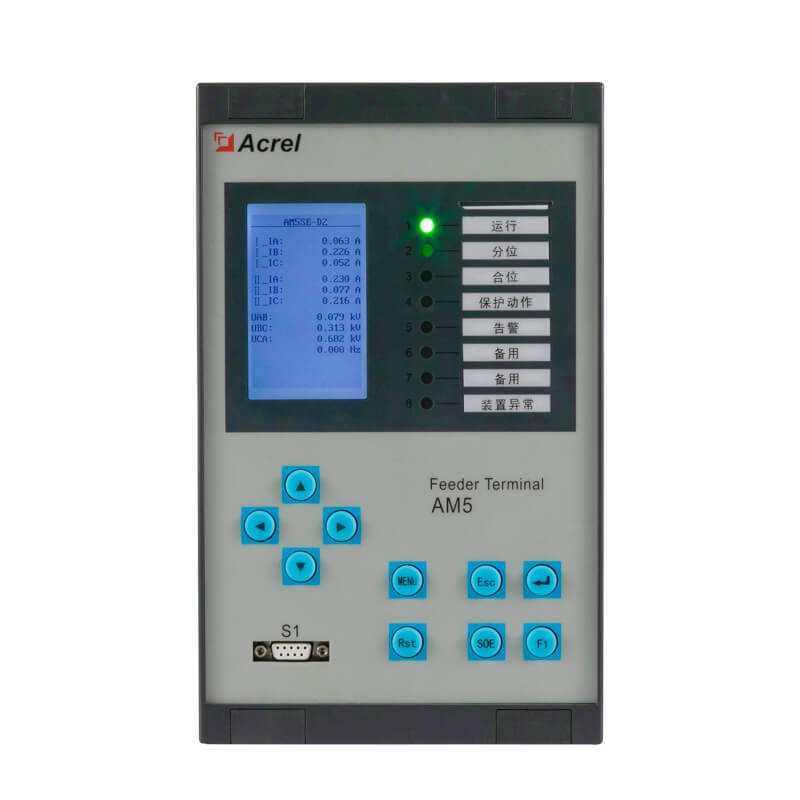
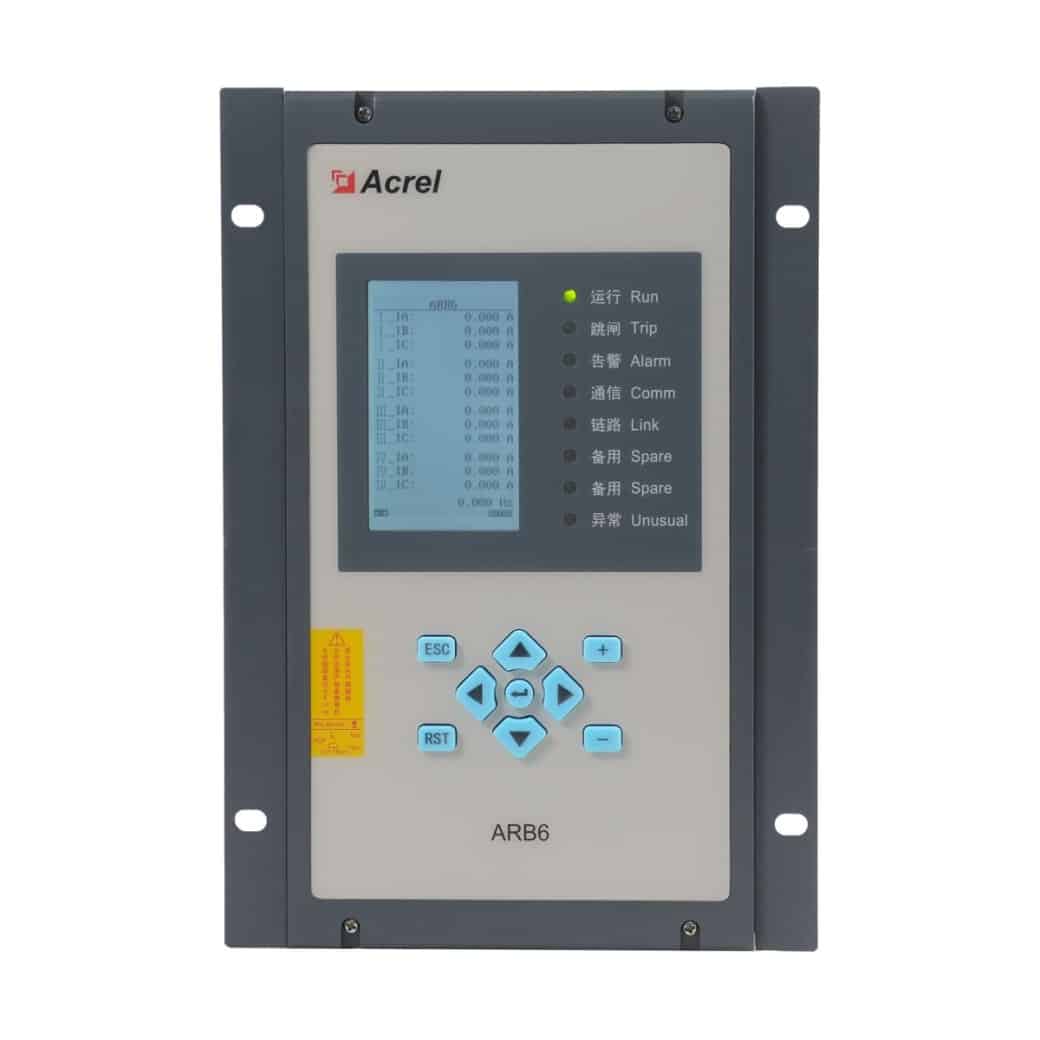
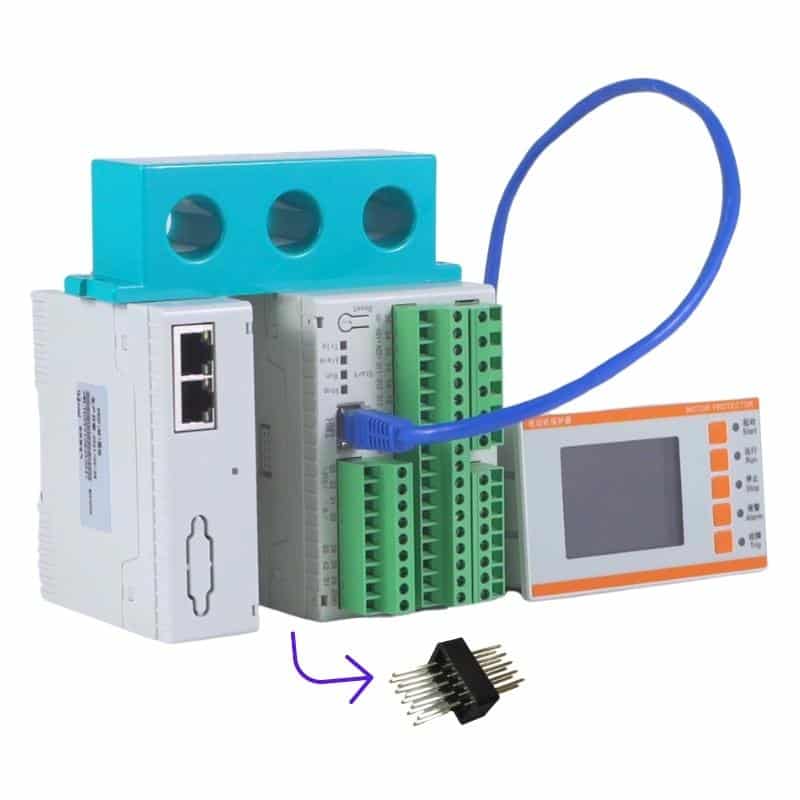
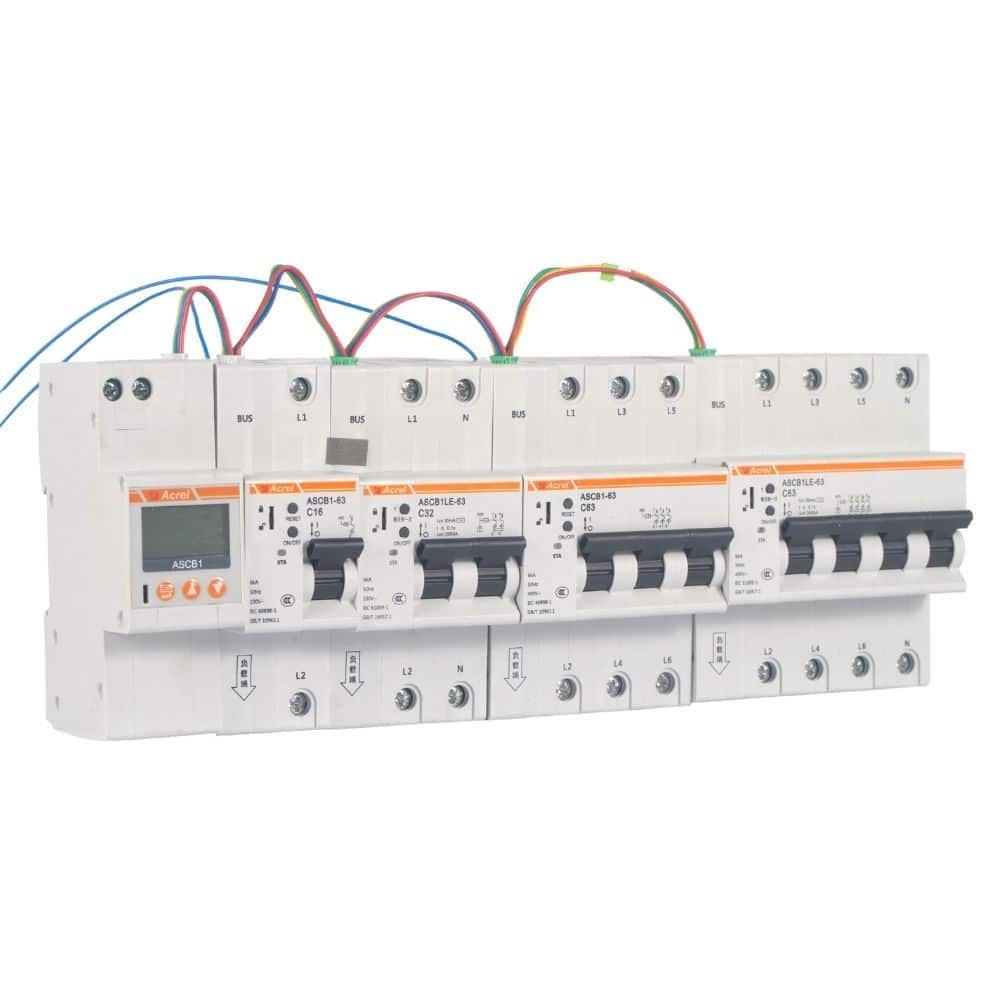
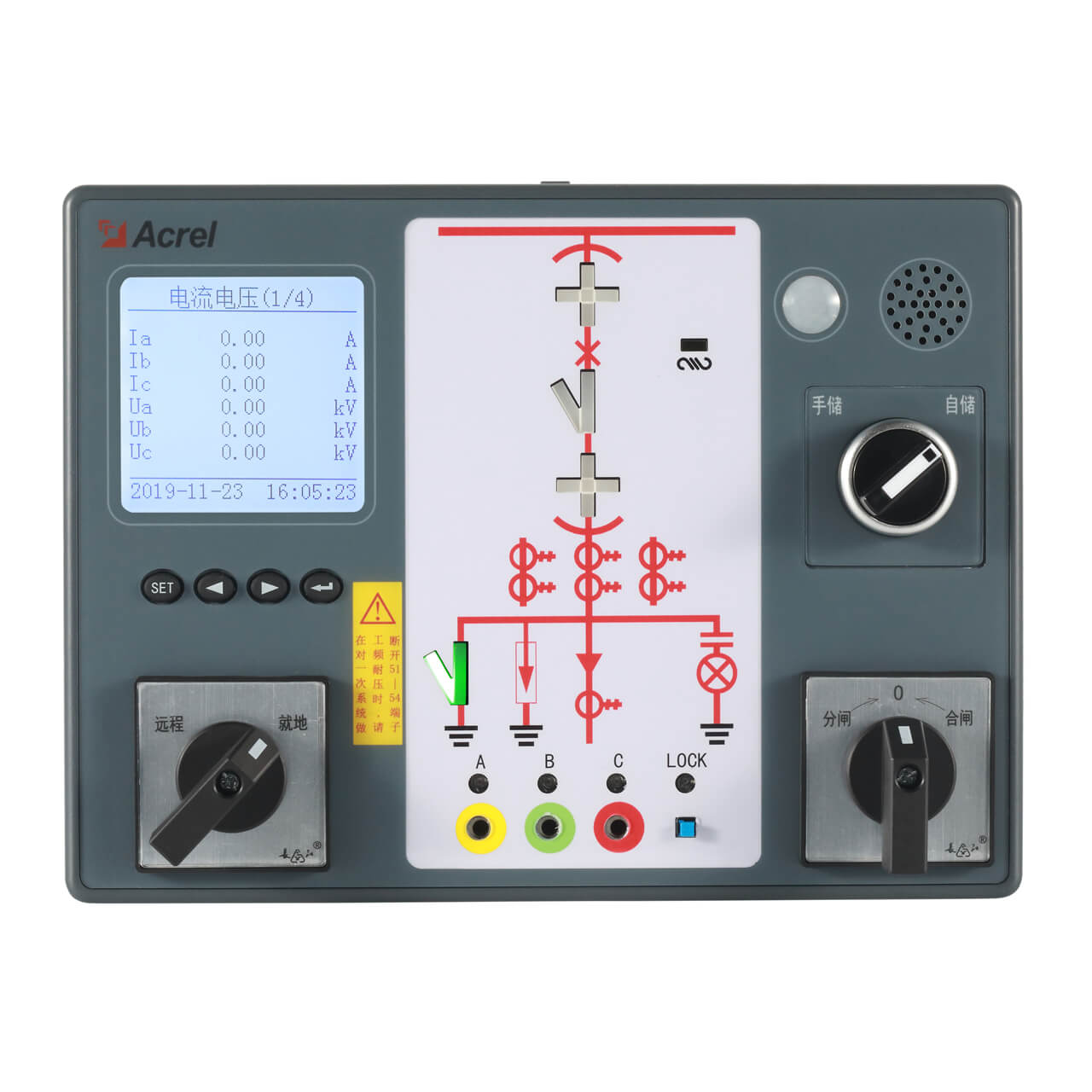
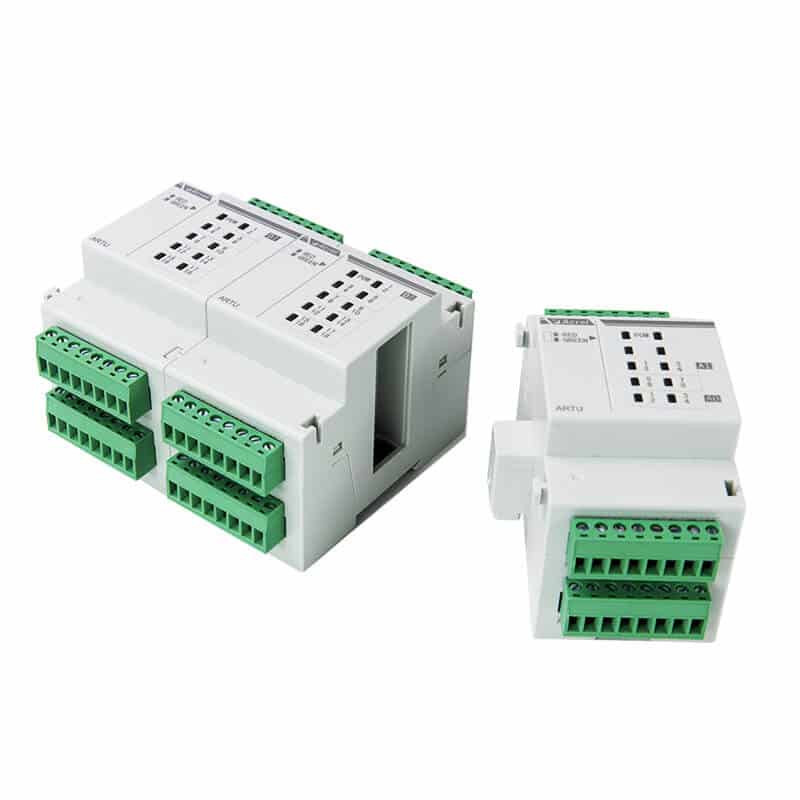
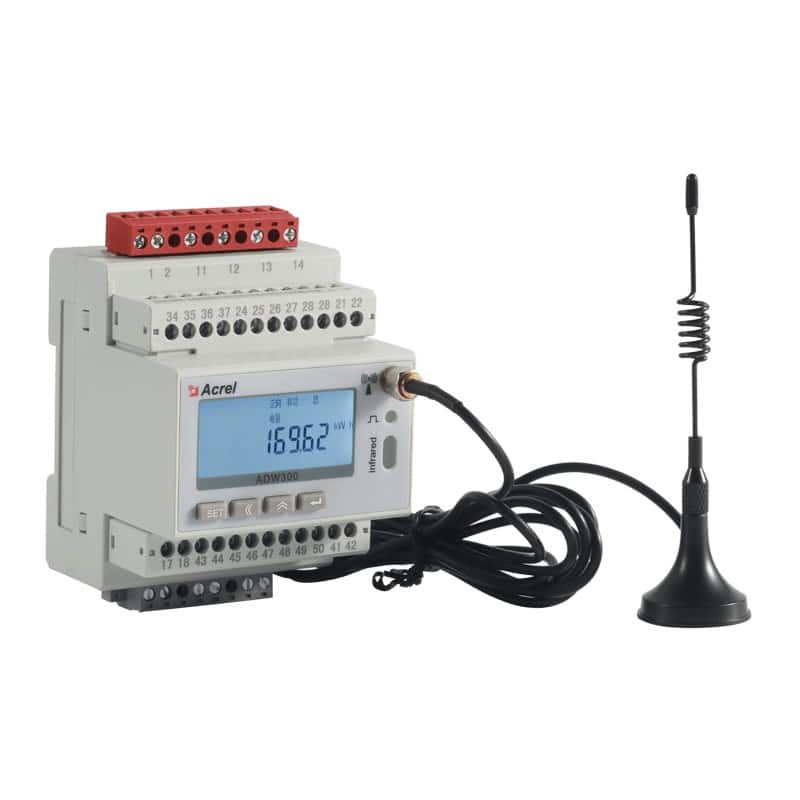
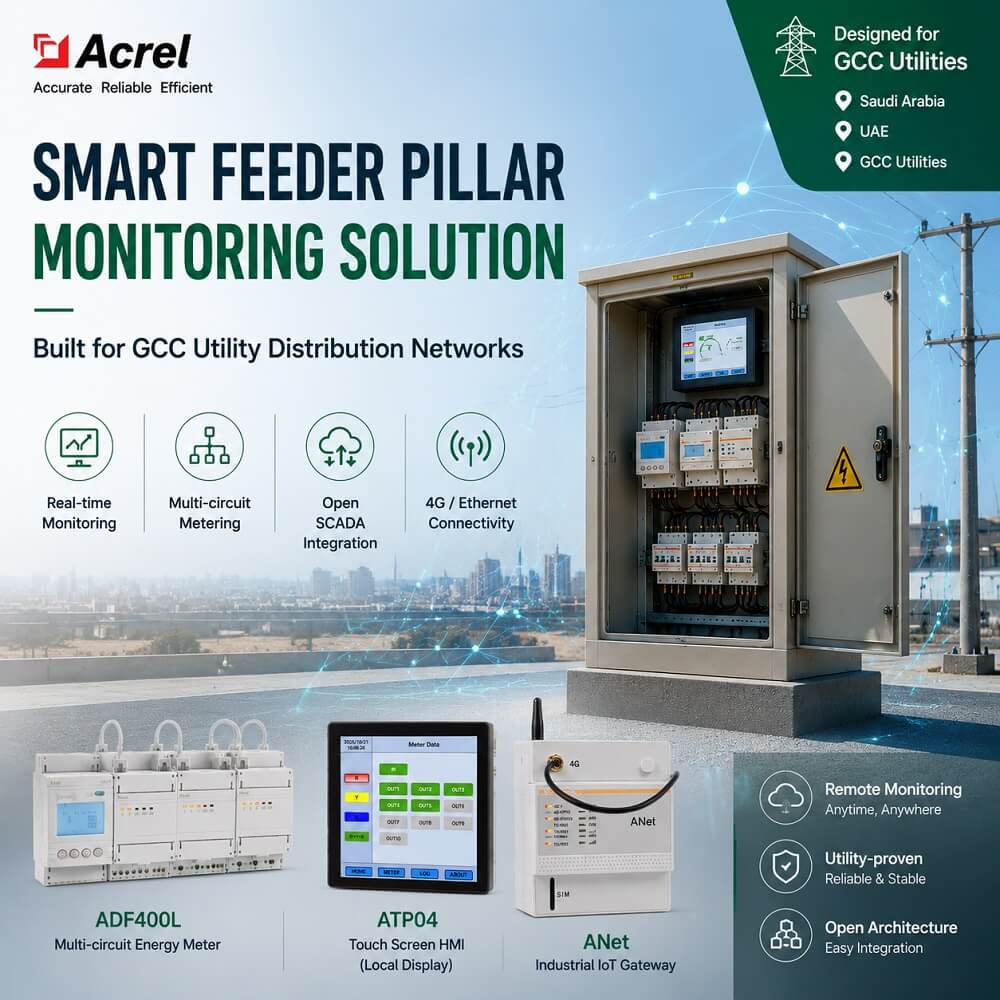
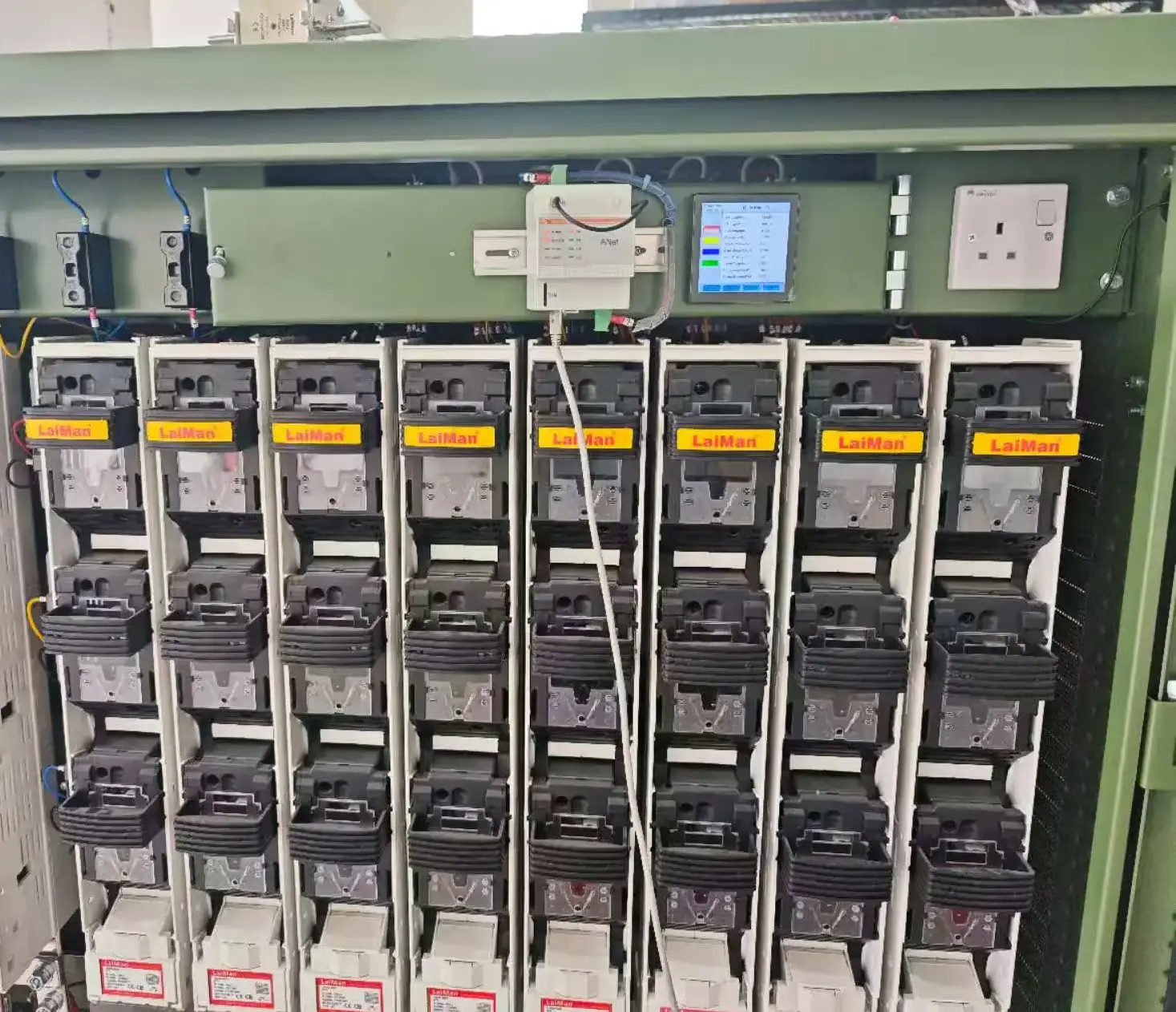
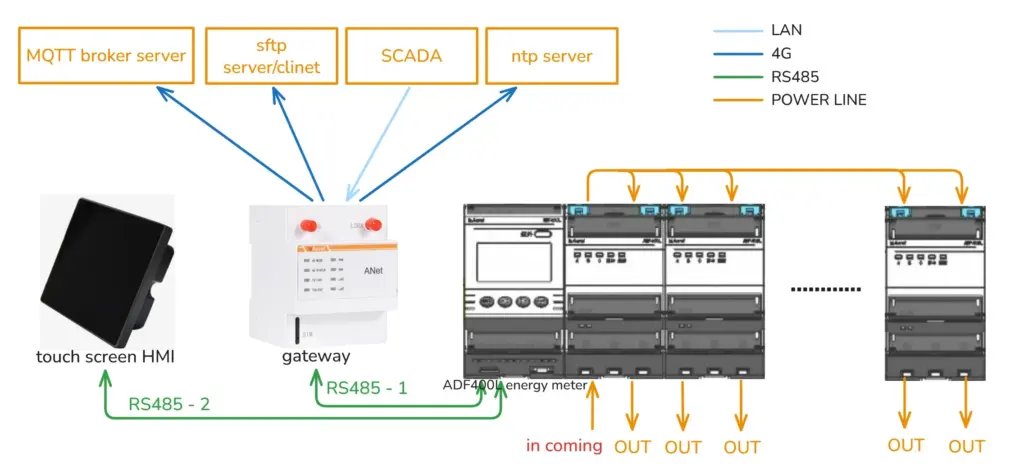
A complete feeder pillar monitoring system combines an energy meter, RS485 communication, an HMI, a gateway, and a centralized platform. Through remote power monitoring, operating personnel can review incoming and outgoing circuit data without relying only on site visits. At Acrel, we combine metering, local communication, edge connectivity, and platform integration to support more traceable feeder-level data.
Why do utility feeder pillars lose circuit-level visibility?
Main incomer data hides outgoing feeder conditions
One outgoing feeder may carry high current while other branches remain lightly loaded. The total can still appear acceptable even when one circuit requires investigation.
Without circuit-level data, a utility team may struggle to identify the branch behind a demand change, phase imbalance, or gradual load growth. This is the core visibility problem.
Manual inspection misses historical changes
A technician recording a value at 10:00 sees only that moment. A short peak at 08:30, repeated evening demand, or unusual overnight consumption may remain unnoticed.
For cabinets spread across a wide service area, remote power monitoring adds time-stamped records and historical trends. It does not replace field inspection, but it helps personnel decide which asset deserves attention.
Poor asset mapping makes data hard to use
Each remote value should be associated with an asset name, device address, circuit label, phase, and timestamp. Without consistent naming, personnel may see an abnormal value without knowing where it occurred.
Reliable monitoring therefore depends on both electrical measurement and disciplined data organization.
What benefits does feeder pillar monitoring deliver?
Circuit-level data improves distribution visibility
An energy meter can collect voltage, current, active power, reactive power, apparent power, power factor, phase values, and accumulated energy for assigned circuits.
This separates one cabinet-level total into identifiable feeder values. Utility personnel can compare branches and investigate the circuit responsible for an unusual change.
The meter supports measurement and data collection. It does not replace circuit breakers, protection relays, or fault-isolation equipment.
Historical data reveals load patterns
Stored records can reveal recurring peaks, unexpected night loads, gradual demand growth, or a feeder that repeatedly approaches its expected limit.
By combining live data with trends, remote power monitoring helps distinguish a temporary event from a recurring operating pattern.
Remote access supports focused inspection
A feeder pillar monitoring system helps maintenance teams decide which asset should be checked first. Cabinets operating normally can remain under observation, while unusual circuits receive earlier attention.
This makes centralized access valuable for outdoor assets across roads, municipal areas, and residential developments.
Traditional Feeder Pillar vs Smart Monitoring
Traditional feeder pillars depend mainly on periodic site inspections and cabinet-level readings. Smart monitoring adds feeder-level measurement, remote communication, historical records, and centralized visibility. The comparison below summarizes the main operational differences.
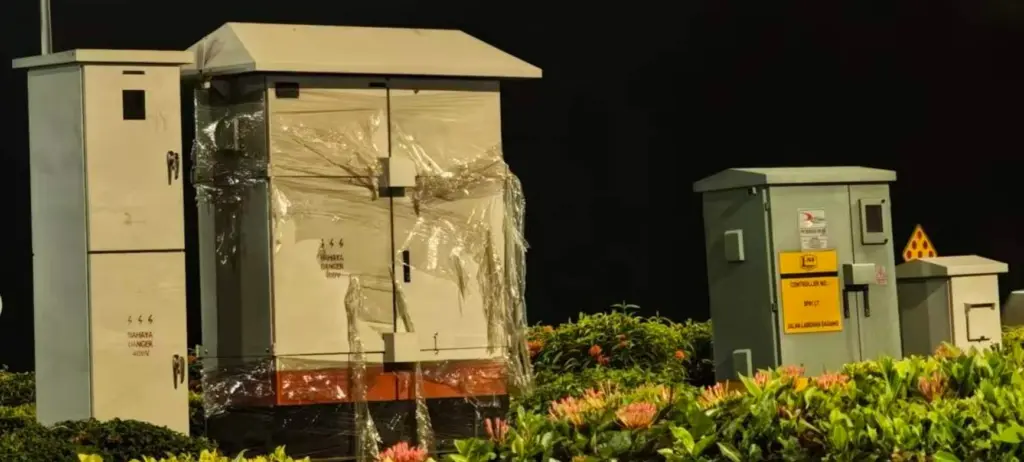
Traditional Feeder Pillar Monitoring Challenges vs Smart Solution
| Traditional Approach | Smart Feeder Pillar Monitoring |
| Manual site inspection | Remote access to feeder data |
| Only total cabinet measurement | Circuit-level monitoring |
| Limited historical records | Trend analysis and historical data |
| Slow identification of abnormal circuits | Faster asset investigation |
| Difficult management of distributed cabinets | Centralized visibility |
How does remote power monitoring work in a feeder pillar?
The energy meter collects circuit data
At the field level, the energy meter receives voltage signals and current measurements from assigned circuits. Each channel should correspond to a known incoming or outgoing feeder.
This channel mapping creates the foundation for multi-circuit metering. A measurement without a circuit identity has limited operational value.
RS485, Modbus, and HMI support local communication
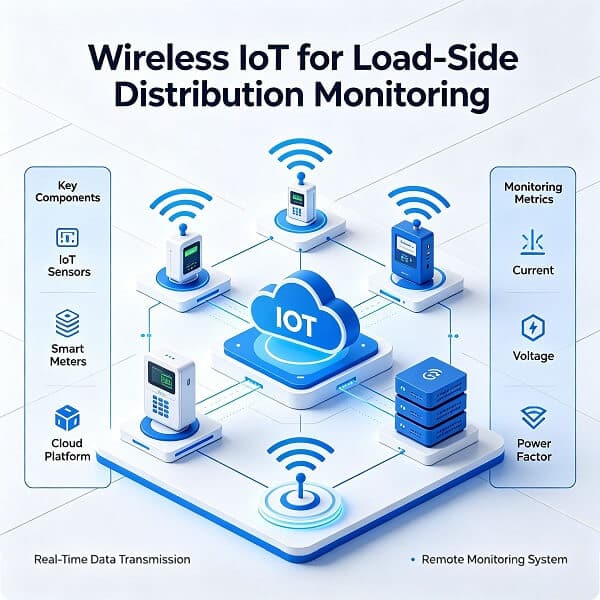
RS485 can connect the meter, HMI, and gateway inside the cabinet. Where supported, Modbus transfers measurements between the meter, local display, and edge device.
The HMI supports commissioning and on-site inspection, while remote power monitoring supports centralized supervision.
A gateway transfers data through 4G or LAN
The gateway sends field data to a remote platform through LAN, Ethernet, 4G, or another project-specific network.
For outdoor assets without fixed communication infrastructure, 4G can simplify deployment. The edge device may connect the cabinet to a centralized management system.
SCADA organizes data across the distribution network
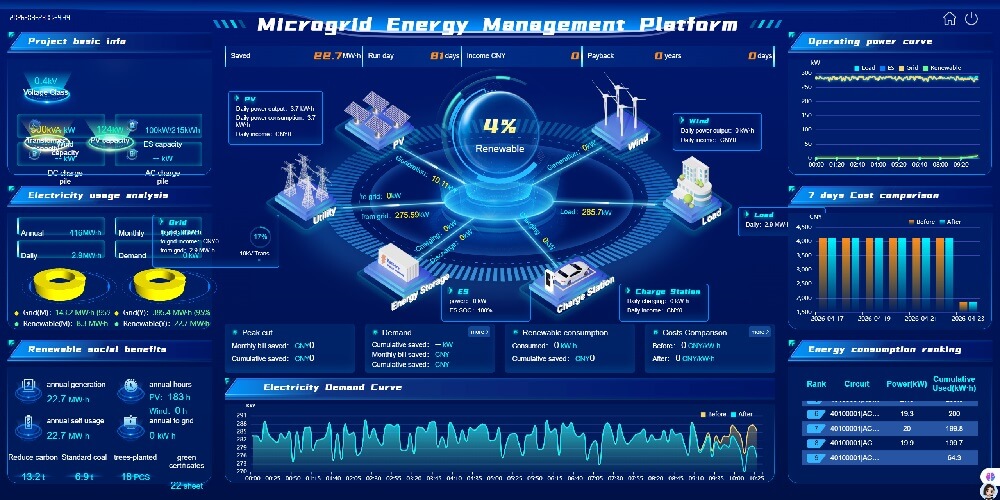
SCADA or a centralized platform can present feeder data by asset, circuit, and time. Operators can compare live values, review historical trends, and trace a change to a specific outgoing feeder.
Asset IDs, communication IDs, meter addresses, circuit labels, and timestamps should be configured consistently. Hardware deployment and data mapping should therefore be planned together.
Which components form a feeder pillar monitoring system?
Multi-circuit Energy Metering Layer
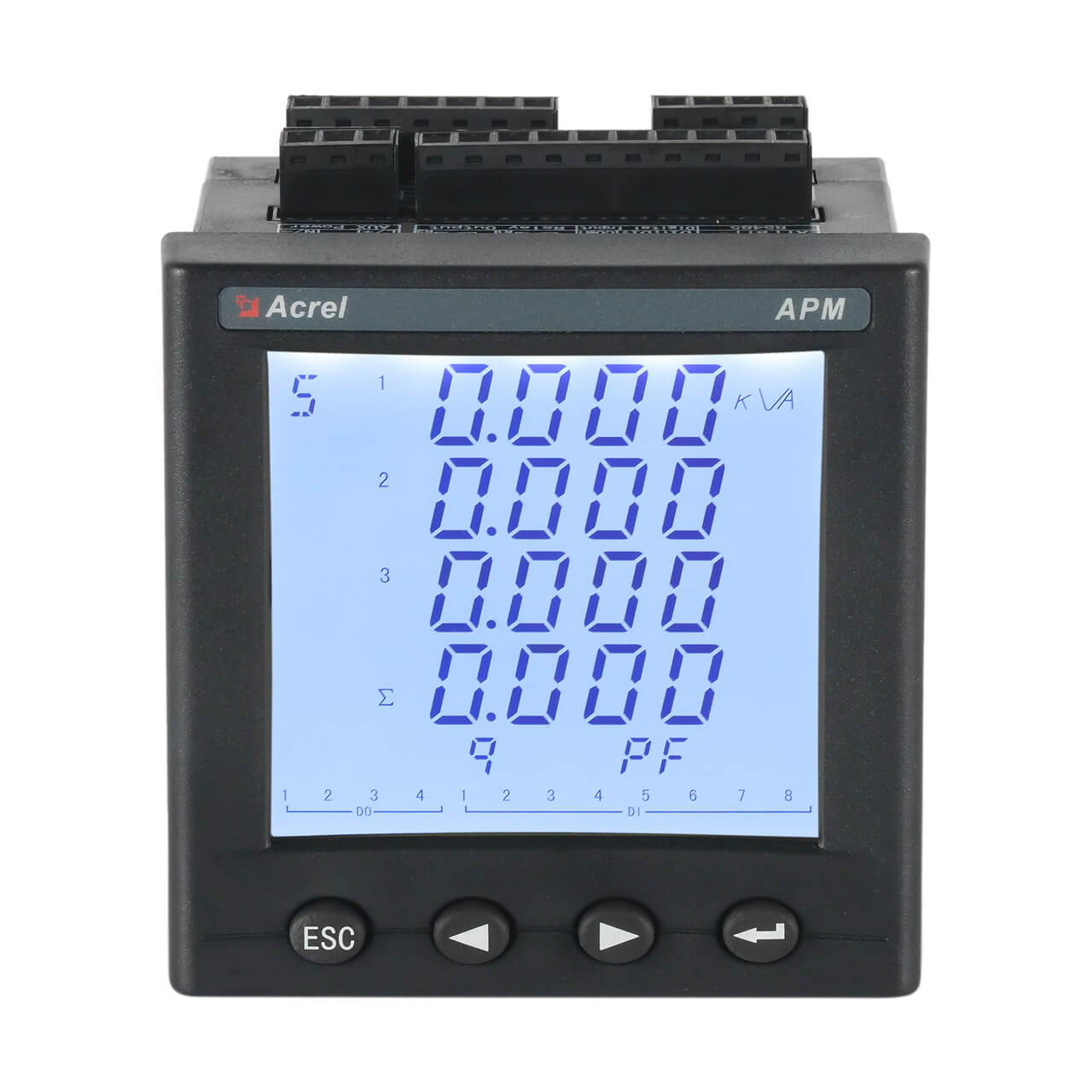
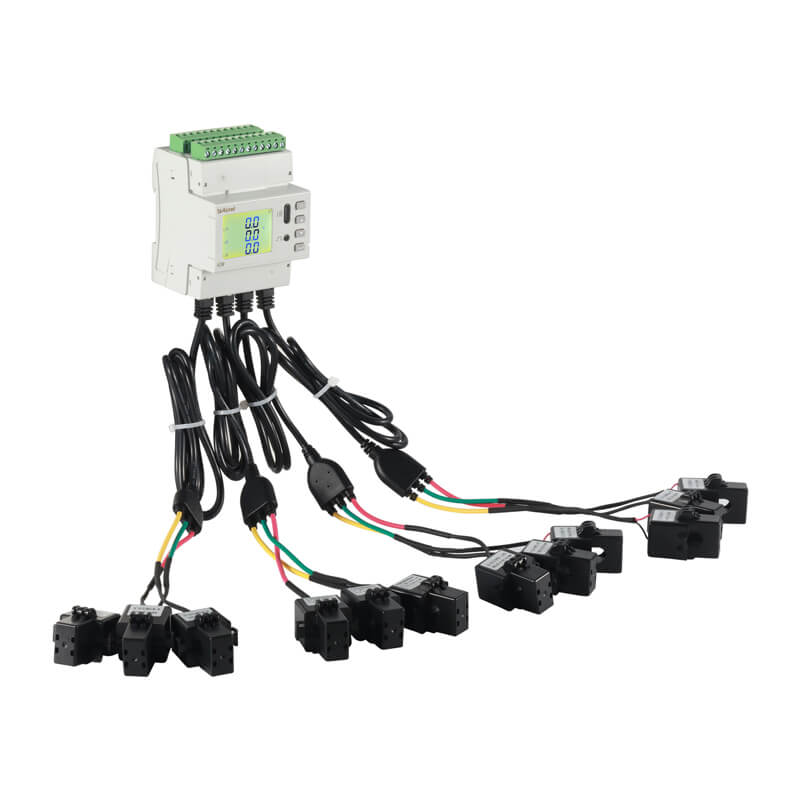
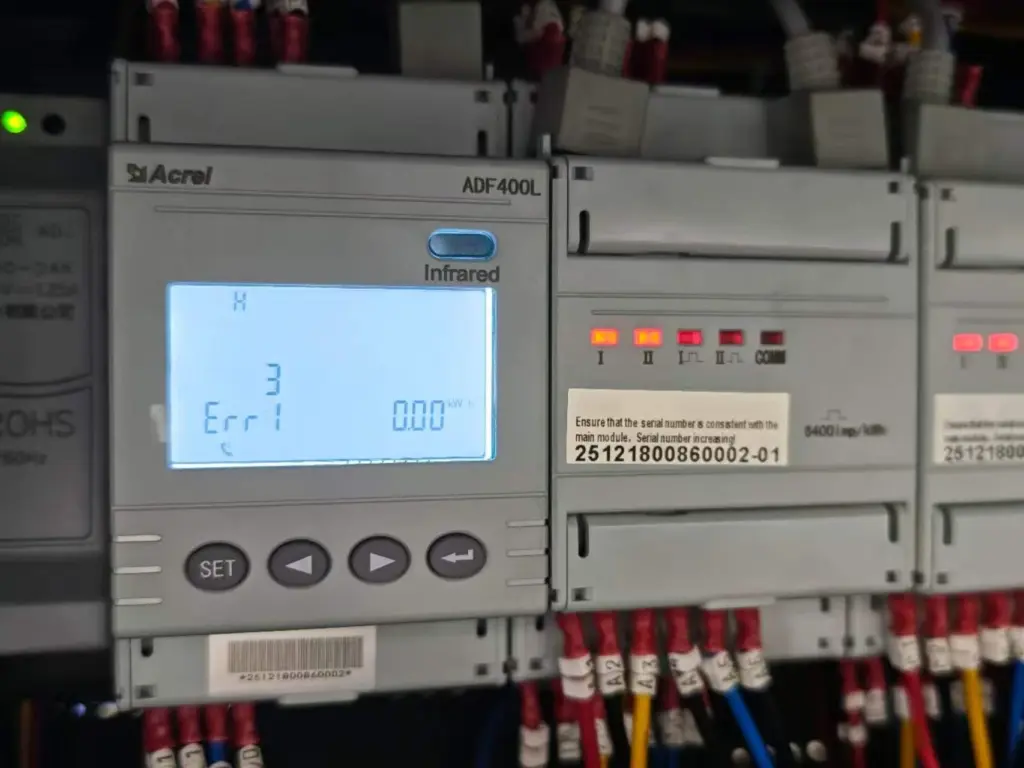
ADF400L Multi-user Energy Meter
Key Value:
- Monitor multiple incoming and outgoing circuits
- Reduce cabinet installation space
- Provide circuit-level electrical data
Local Visualization Layer
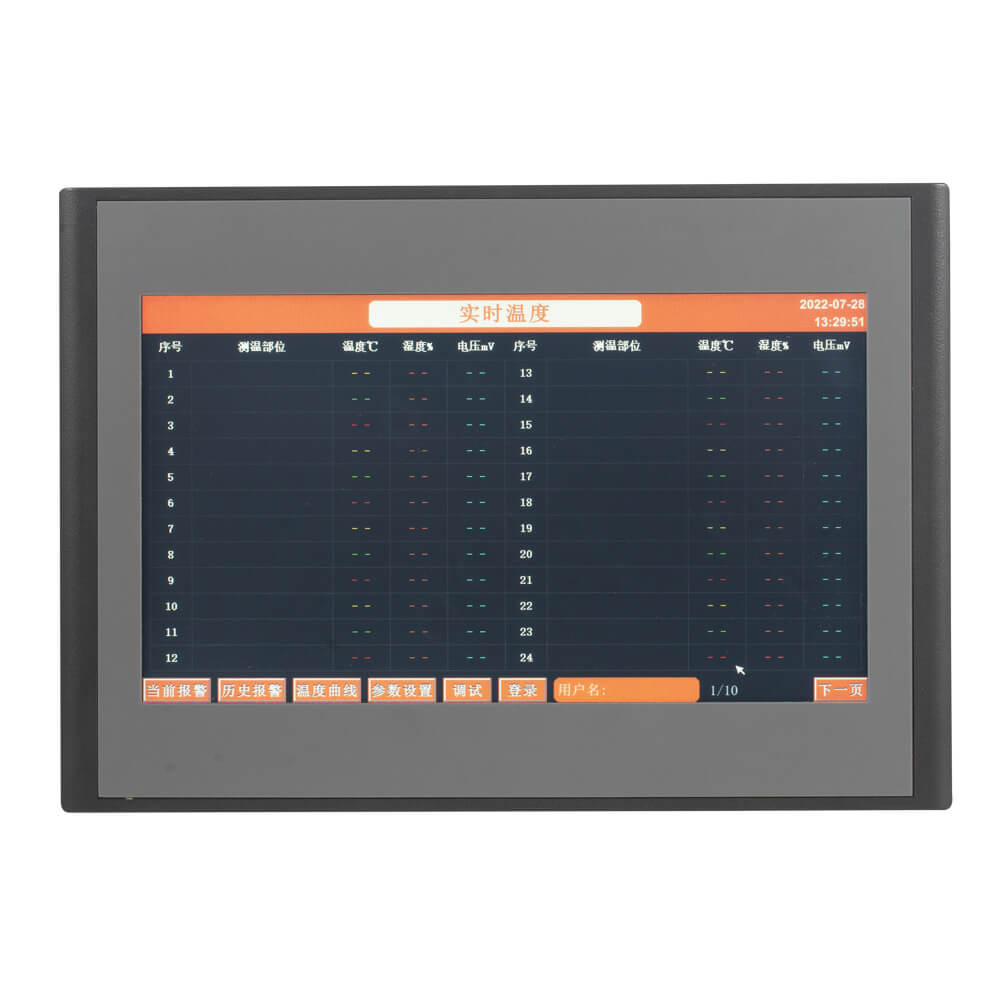
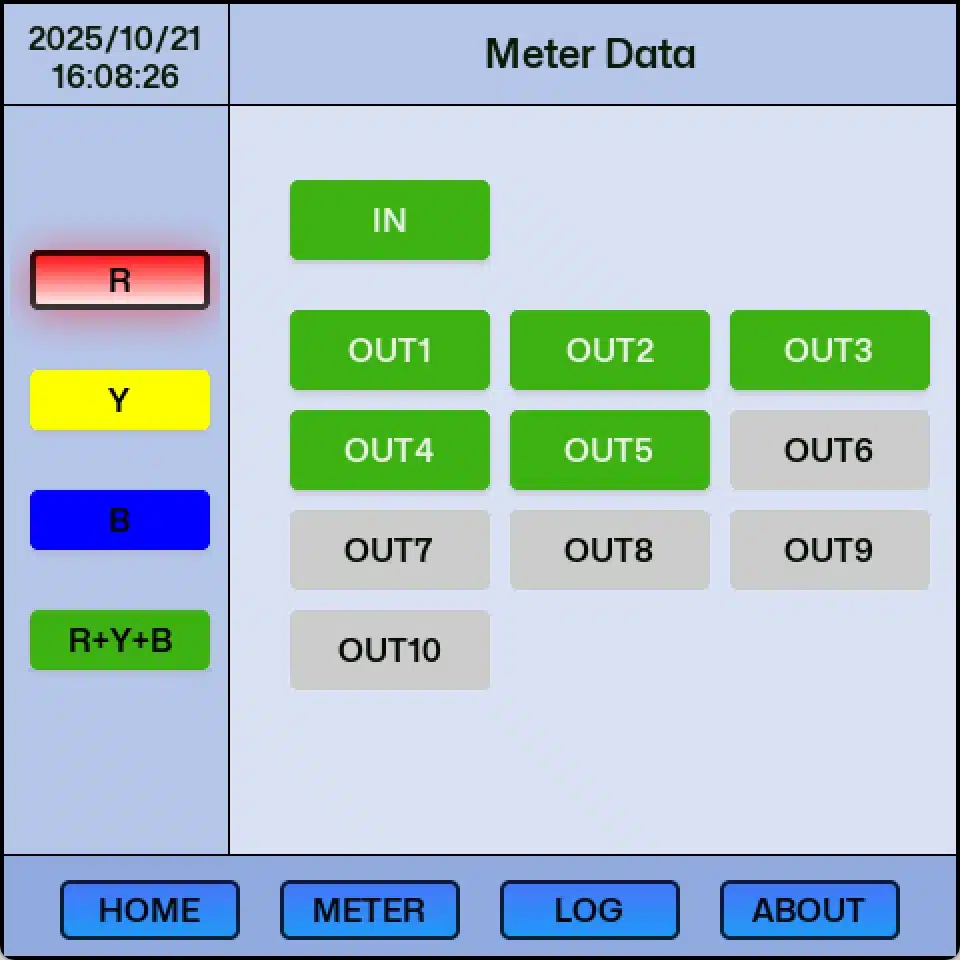
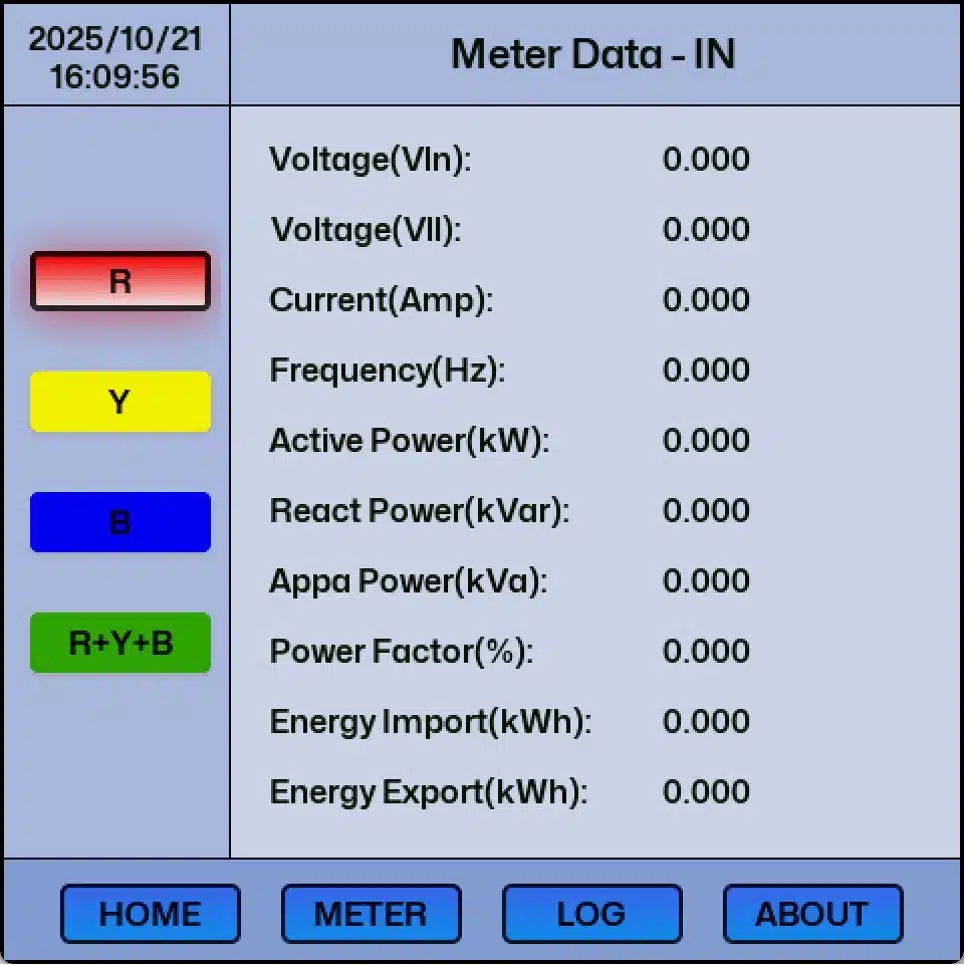
ATP04 Touch Screen HMI
Value:
- Local commissioning
- Real-time feeder status
- Maintenance support
Communication Layer
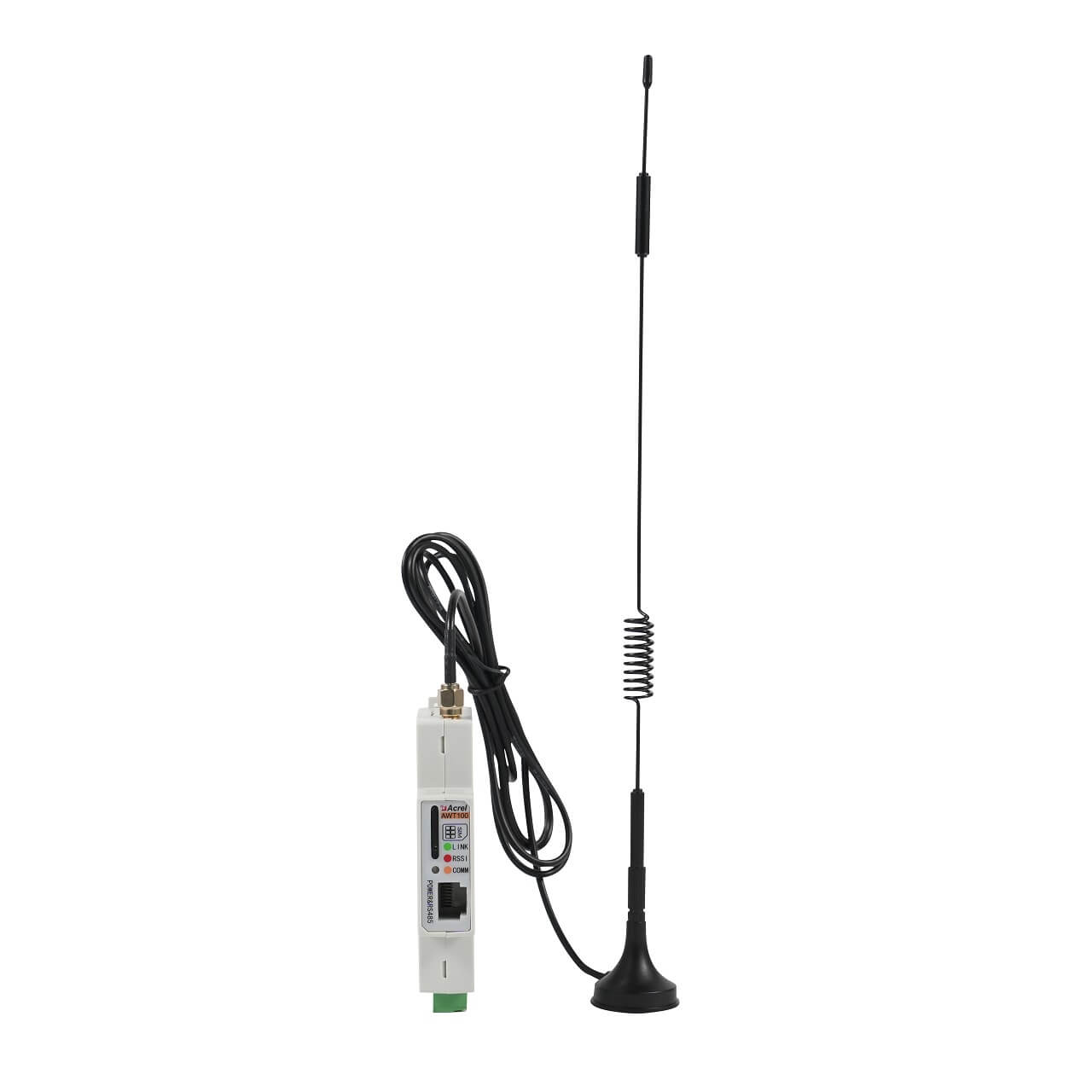
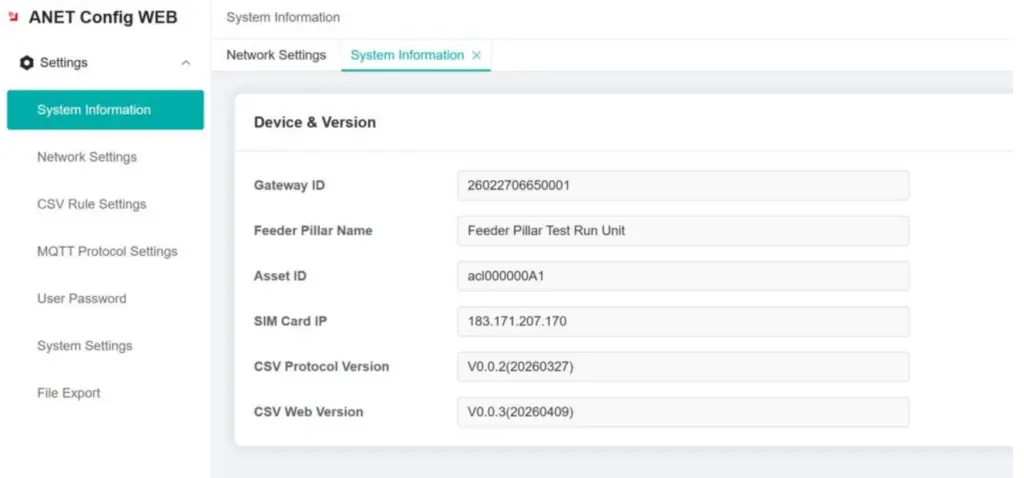
ANET Industrial IoT Gateway
Value:
- RS485 data collection
- 4G/LAN communication
- SCADA integration
Where can feeder pillar monitoring be applied?
Utility Distribution Networks
Feeder pillars are widely deployed in low-voltage distribution networks to supply electricity for residential areas, public facilities, street lighting, and municipal infrastructure.
However, traditional feeder pillars usually provide limited visibility into individual outgoing circuits. A Feeder Pillar Monitoring System enables utilities to monitor feeder-level electrical parameters, identify abnormal operating conditions, and improve the management efficiency of distributed assets.
With remote power monitoring and centralized data access, utility operators can better understand load distribution, review historical trends, and support more efficient maintenance planning.
Typical applications include:
- Low-voltage distribution networks
- Outdoor feeder pillars
- Municipal power distribution
- Street lighting networks
- Residential power supply systems
Distribution Automation
As utilities accelerate digital transformation and smart grid development, distribution automation requires more detailed and reliable field data.
A smart feeder pillar monitoring solution provides circuit-level measurement, communication connectivity, and integration capability with SCADA or other centralized platforms.
By collecting data from distributed feeder pillars, operators can improve network visibility and make more informed decisions regarding operation and maintenance.
Key values include:
- Real-time feeder status monitoring
- Remote data acquisition
- Historical trend analysis
- SCADA system integration
- Support for smart distribution network development
Smart Infrastructure Projects
Large-scale infrastructure developments, including smart cities, transportation facilities, and public projects, require reliable power distribution monitoring to ensure continuous operation.
Acrel Feeder Pillar Monitoring System provides a flexible solution for monitoring distributed electrical assets across large service areas.
The system helps project operators improve energy visibility, simplify maintenance management, and support centralized supervision of multiple distribution points.
Typical applications include:
- Smart cities
- Airports
- Metro and transportation infrastructure
- Public facilities
- Large-scale development projects
Industrial Parks
Industrial parks contain multiple electrical loads, including production equipment, pumps, HVAC systems, and auxiliary facilities. Effective distribution monitoring helps operators understand energy consumption patterns and maintain stable power supply.
By applying multi-circuit energy metering and remote communication technologies, feeder pillar monitoring can provide visibility into different electrical branches and support energy management strategies.
Typical applications include:
- Manufacturing facilities
- Industrial zones
- Logistics parks
- Production campuses
- Energy-intensive facilities
Case Study: Feeder Pillar Monitoring Project for Malaysia Utility
Customer: Tenaga Nasional Berhad (TNB)
Solution:
- ADF400L Multi-circuit Energy Meter
- ANET Gateway
- ATP04 HMI
Deployment Scale: Approximately 1,200 sets annually
Communication: 4G / LAN / MQTT / SFTP / SCADA Integration
Project Value: The solution enables circuit-level visibility across distributed feeder pilla
FAQ
A Feeder Pillar Monitoring System is an intelligent solution designed to collect, transmit, and analyze electrical data from incoming and outgoing circuits inside feeder pillars.
The system typically consists of a multi-circuit energy meter, communication gateway, local HMI, and a remote monitoring platform. It enables utilities and facility operators to obtain circuit-level visibility of low-voltage distribution networks.
Traditional feeder pillars usually provide only total cabinet-level measurements, making it difficult to identify which outgoing circuit causes load changes or abnormal conditions.
A feeder pillar monitoring system provides circuit-level data, historical records, and remote access, helping operators improve distribution network visibility and maintenance efficiency.
Depending on the selected meter configuration, the system can monitor:
1.Voltage
2.Current
3.Active power
4.Reactive power
5.Apparent power
6.Power factor
7.Frequency
8.Energy consumption
9.Phase-related electrical parameters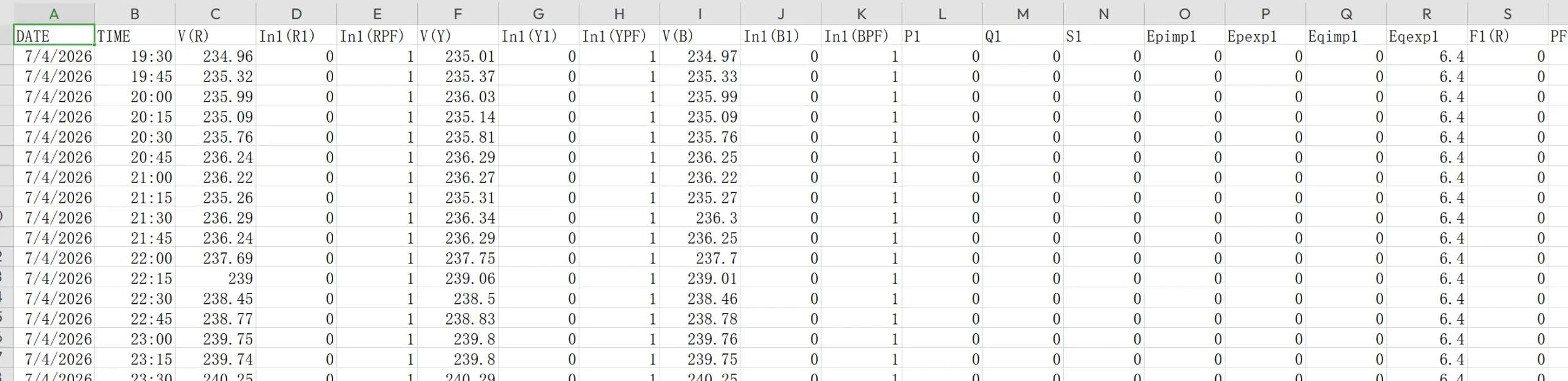
Yes. The system supports integration with SCADA and other centralized management platforms through standard communication methods.
Typical communication options include:
1.RS485
2.Modbus RTU
3.Modbus TCP
4.Ethernet
5.4G communication
6.MQTT
7.SFTP
The actual configuration depends on project requirements and system architectu
Yes. The system can be configured for outdoor feeder pillar applications commonly found in Middle East utility networks.
For GCC projects, key considerations include:
1.High ambient temperature conditions
2.Outdoor cabinet installation
3.Communication availability
4.Dust and environmental protection requirements
5.Utility-specific technical specifications
Final equipment selection should be based on project conditions and customer requirements.
In many cases, existing feeder pillars can be upgraded by adding measurement devices, communication gateways, and monitoring components.
Before installation, engineers should evaluate:
1.Available cabinet space
2.Current transformer installation
3.Power supply availability
4.Communication network conditions
5.Required shutdown time
A detailed assessment helps determine the most suitable retrofit approach.
The number of monitored circuits depends on the selected meter model, channel configuration, and project requirements.
For applications requiring multiple outgoing feeder measurements, multi-circuit energy meters can help reduce installation space and simplify system integration.
Traditional inspection relies mainly on manual site visits and periodic measurements.
A feeder pillar monitoring system provides:
1.Remote access to feeder-level data
2.Circuit-level monitoring instead of only cabinet totals
3.Historical trend analysis
4.Faster identification of abnormal circuits
5.Centralized visibility across distributed assets
Acrel provides monitoring components and solution support, including:
1.Multi-circuit energy meters
2.Communication gateways
3.Local HMI devices
4.System integration support
The final solution can be configured according to project requirem
How can utilities build a more visible distribution network?
A feeder pillar is an important but often under-observed point in a low-voltage distribution network. A total incomer value cannot fully explain how individual outgoing feeders are operating.
A feeder pillar monitoring system connects the energy meter, local display, edge device, and remote platform into one traceable data chain. Through remote power monitoring, personnel can compare circuits, review historical records, and connect each value to a physical asset.
Successful deployment depends on correct channel mapping, consistent asset naming, reliable communication, and suitable system integration. When these elements are planned together, distributed feeder pillars become more visible and manageable parts of the utility distribution networ